
The short version
Proteina-Complexa is a new AI tool developed by NVIDIA and tested with Manifold Bio that designs specialized proteins to help create new medicines. Think of it as a super-powered architect that can "design" the microscopic keys needed to unlock treatments for diseases at a massive scale. By using this AI, scientists can discover potential new drugs much faster than traditional laboratory methods.
What happened
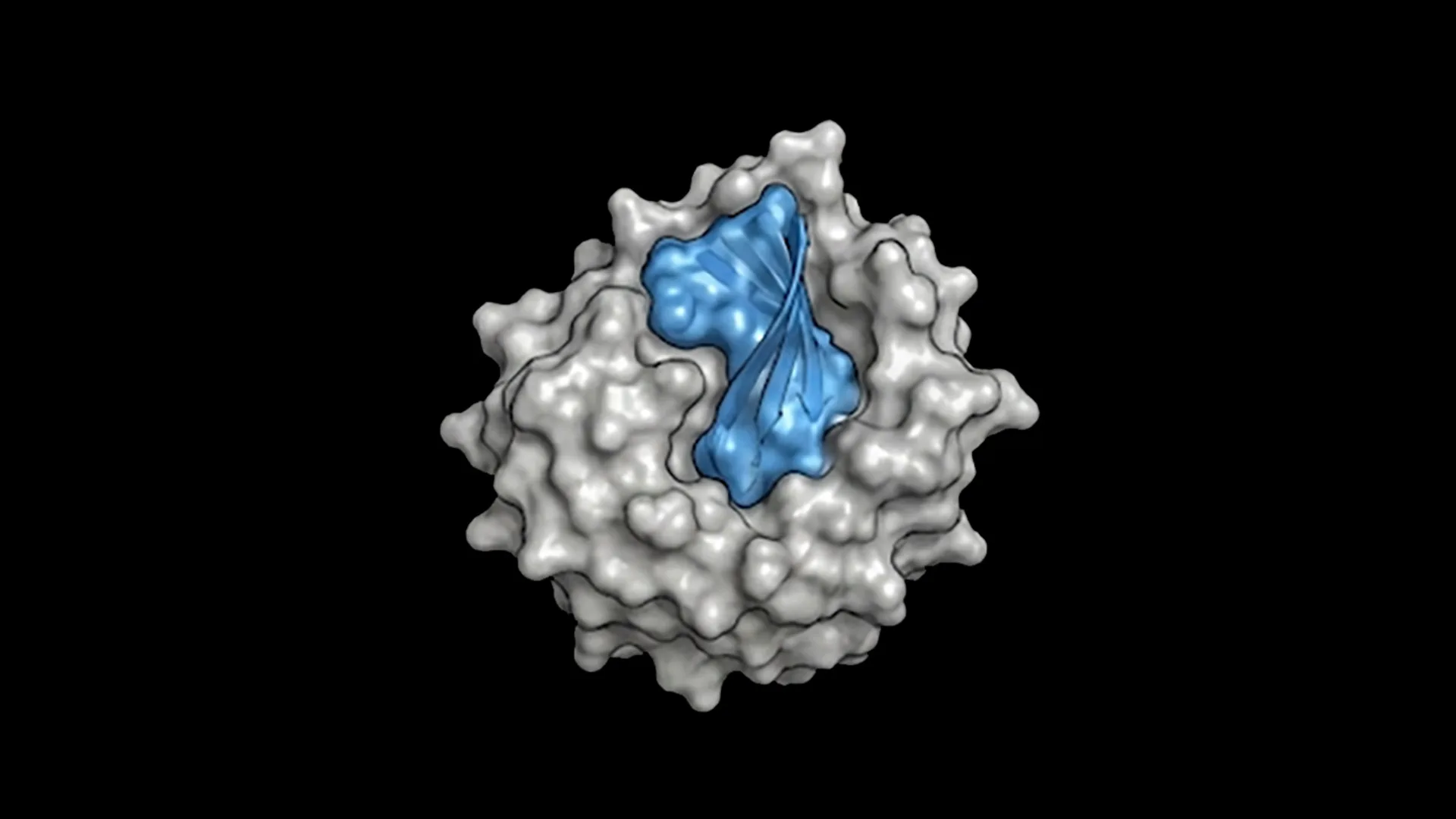
To understand this, imagine you are trying to find a specific key to unlock a door. In your body, "protein binders" act like these keys—they are molecules designed to latch onto specific targets, like a virus or a disease-causing protein, to stop them from working.
Traditionally, scientists had to spend years in a lab testing millions of combinations to find one "key" that fits perfectly. It’s like trying to build a custom key by trial and error in a dark room.
NVIDIA has introduced Proteina-Complexa, a generative AI model that acts like a highly sophisticated architect. Instead of guessing, the AI uses its knowledge of biological structures to "draw" the perfect key from scratch. NVIDIA recently partnered with Manifold Bio to test this system, validating that the AI can design these specialized proteins at a scale and speed that were previously impossible.
Why should you care?
For the average person, this is a massive leap forward in how we fight illness. The current process of developing a new medicine is slow, expensive, and often results in failures. By using AI to "design" the solution before it even hits the physical lab bench, scientists can shorten the time it takes to get from a scientific breakthrough to a life-saving medication.
Essentially, this technology could lead to:
- Faster drug discovery: Treatments for complex diseases could reach clinical trials years earlier.
- More precise medicine: Because the AI can design these "keys" to be very specific, new drugs might have fewer side effects, as they hit their target more accurately without affecting other parts of your body.
- New catalysts: Beyond medicine, this could help create better enzymes for industrial or environmental uses, potentially leading to more sustainable manufacturing processes.
What changes for you
You won’t see an app on your phone that lets you design proteins, but you will likely benefit from the ripple effects in the healthcare system. As drug discovery becomes faster and more efficient, the hope is that the cost and time associated with bringing new, effective therapies to patients will decrease. This is not something that changes your day-to-day life tomorrow, but it is a foundational shift in how the medical industry solves the biggest health challenges of our time.
Frequently Asked Questions
Is Proteina-Complexa a medicine itself?
No, it is a tool used by scientists to design potential medicines. Think of it like a piece of high-end design software that an architect uses to build a house, rather than the house itself.
When will I see new drugs created by this AI?
Drug discovery is still a lengthy process, as any new design must still be tested extensively in laboratories and clinical trials to ensure safety. While this AI speeds up the design phase, it is not yet confirmed how soon the specific drugs designed by this model will clear the regulatory process to reach pharmacies.
Is this AI available for anyone to use?
NVIDIA is making the code, models, and data for Proteina-Complexa publicly available. While it is designed for researchers and scientists rather than the general public, this open approach allows the scientific community to collaborate and improve the technology together.
The bottom line
Proteina-Complexa represents a major upgrade to the "toolbox" that scientists use to develop new medicines. By automating the difficult task of designing protein binders, NVIDIA and Manifold Bio are helping the medical field move away from slow, hit-or-miss lab work and toward a future of precision-designed treatments. While it will take time for these developments to turn into new medications on drugstore shelves, this AI represents a critical step toward faster and more effective healthcare for everyone.