
The short version
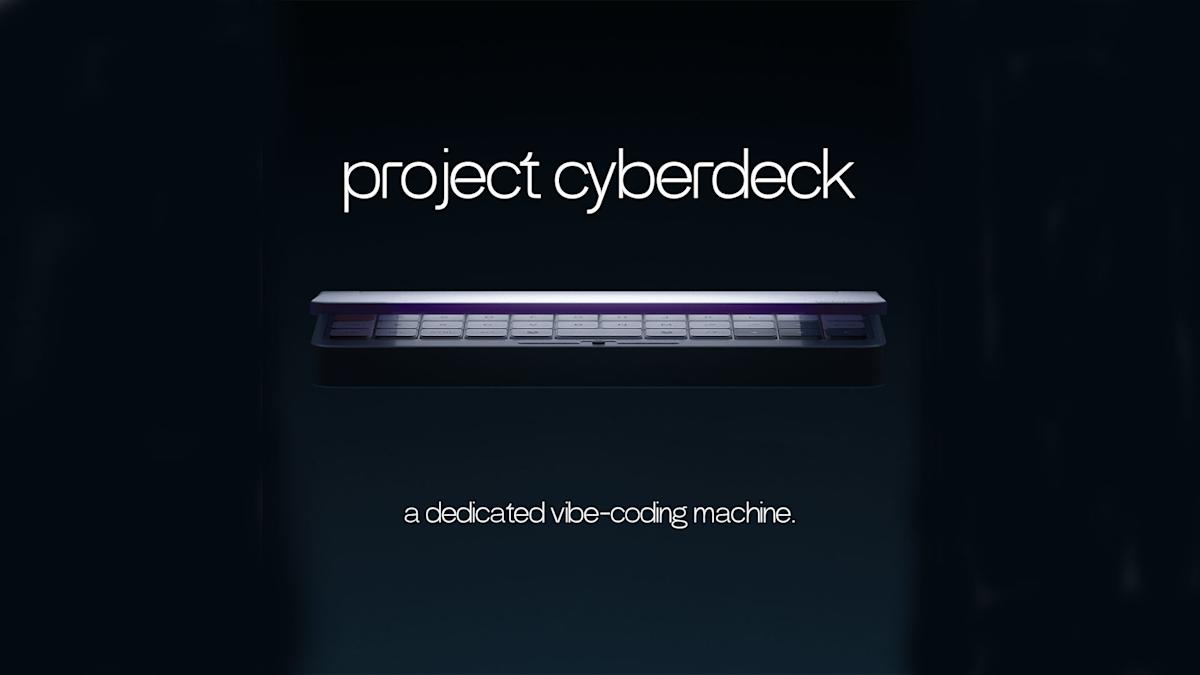
Rabbit's Cyberdeck is a pocket-sized, clamshell computer from Rabbit – the makers of the Rabbit R1 gadget – designed like a modern netbook for "vibe coding," which means casually using AI tools to write and tweak code on the go. It's inspired by old-school mini laptops like the Sony Vaio P but upgraded with a great keyboard, bright screen, and connections to AI services from companies like OpenAI and Anthropic. Aiming for a $500 price tag and release later this year or into 2026, it's built for developers who want a fun, portable device to code anywhere without lugging a full laptop.
What happened
Picture this: back in the late 2000s, netbooks were all the rage – super-small laptops you could toss in a bag for quick internet checks or emails. They were cheap and light but often had mushy keyboards that made typing a chore, like poking at a rubbery sponge. Rabbit's CEO, Jesse Lyu, wanted something similar today, but for "vibe coding." That's basically chilling with AI helpers like Anthropic's Claude Code or OpenAI's tools to brainstorm and write code in a relaxed, creative flow – think jamming on a guitar riff instead of practicing scales.
Lyu's engineers loved these AI coding tools, but cheap modern options like basic Chromebooks had those same lousy "rubber dome" keyboards (squishy pads under the keys that feel cheap). No good for hours of typing. So Rabbit started Project Cyberdeck: a cute, foldable device blending the look of their pocket AI gadget (Rabbit R1), the classic Sony Vaio P netbook, and even a Nintendo DS game console. Early designs show a 7-inch OLED screen (super vibrant and battery-friendly because it lights pixels individually, no wasteful backlight), four USB-C ports for hooking up monitors or accessories, and a snappy 40% keyboard with mechanical switches you can swap out to customize the feel – like picking guitar strings for your perfect tone.
It's powered to match a Raspberry Pi 5 (a popular tiny hobbyist computer), with enough oomph (think quad-core processor and maybe 16GB memory) to chat smoothly with AI servers without lagging. It runs Linux, a free operating system tinkerers love, and lets you install anything or tweak it fully. All Rabbit's AI smarts from their other devices work via simple text commands. They're sourcing parts now, so details like exact chip or RAM could shift due to pricey memory shortages, but Lyu says they could ship fast – they built the R1 in just 93 days.
Why should you care?
For most everyday folks, this isn't about replacing your phone or laptop – it's a niche gadget for coders, hobbyists, or anyone dipping into AI-powered programming. But here's the "so what": AI coding tools are exploding, making it easier for non-pros to build apps, automate tasks, or create fun projects without years of training. Cyberdeck lowers the barrier by giving a dedicated, affordable tool optimized for that – like a specialized sketchpad for digital artists instead of scribbling on napkins.
If you're curious about AI but intimidated by full computers, this could spark more everyday innovation. Prices stay low ($500 target vs. $900+ inflation-adjusted old netbooks), and its portability means more people coding on trains or coffee shops, potentially flooding us with cooler apps, bots, or tools. NVIDIA, Anthropic, OpenAI, and Sony ties hint at pro-grade AI integration without needing a beastly $4,000 PC. Battery life shines thanks to OLED and dark mode, so it lasts like a smartphone for all-day vibes.
What changes for you
Practically, regular users won't feel a ripple unless you're into light coding or gadgets. Your phone apps, streaming, or work laptop stay the same – this is for developers needing a second, ultra-portable brain for AI chats. If you're a beginner tinkerer, expect easier access to "native AI agents" (smart helpers that act on commands) via command line – no mouse needed, just type like texting.
Buyers get a customizable keyboard (swap keys for clicky or quiet typing), touch OLED screen at 165Hz (smooth like high-end phones), and Linux freedom to run any software. Connect external screens for desk work. For families, it could be a kid's first coding machine – cheap, tough, and AI-boosted without overwhelming power. Delays possible to 2026 from chip costs, but Rabbit's quick past suggests it's real. Overall, it nudges portable computing back toward fun, affordable niches, competing with Chromebooks by prioritizing typing joy and AI flow over bloat.
Frequently Asked Questions
### What is "vibe coding" and do I need it?
Vibe coding is a casual way of programming using AI tools to help generate, edit, or debug code – like having a smart buddy suggest fixes while you experiment freely. You don't need it for everyday stuff like browsing or emails, but if you want to build simple apps, automate chores (e.g., a script to sort photos), or learn coding, it's a fun entry point. Cyberdeck makes it portable and comfy, unlike typing on a phone.
### How much will the Cyberdeck cost and when can I buy it?
Rabbit aims for about $500, way cheaper than fancy AI PCs or even old premium netbooks adjusted for inflation. It's slated for later this year, but CEO Jesse Lyu says it might slip to 2026 if memory chip prices stay high due to data center demand. No pre-orders yet – they're still finalizing parts.
### Is the Cyberdeck powerful enough for real work?
It's tuned like a Raspberry Pi 5 – enough zip for smooth AI chats with OpenAI or Anthropic servers, running two external monitors, and Linux apps without feeling sluggish. Not for heavy video editing or gaming, but perfect for coding workflows, command-line tasks, and light tinkering. Think reliable sidekick, not main laptop.
### Can non-coders or kids use it?
Absolutely – its simple command-line AI features and customizable setup make it approachable for beginners or students. Install easy tools, connect to free AI models, and vibe code without a steep learning curve. Parents might love it as a focused gadget cheaper than a full laptop, with hot-swappable keys to grow with users.
### How is this different from a Chromebook or my phone?
Unlike mushy-keyboard Chromebooks (web-only focus), Cyberdeck has a premium mechanical keyboard for long typing, full Linux for any software, and built-in AI coding optimizations. Phones lack physical keys for serious work; this is a foldable middle ground – more screen/keyboard than R1 pocket device, less bulk than laptops.
The bottom line
Rabbit's Cyberdeck revives the netbook dream with AI smarts, targeting coders who want a $500 pocket powerhouse for on-the-go "vibe coding" via OpenAI, Anthropic, and more. It's not revolutionizing your daily phone or laptop life, but it could democratize AI-assisted creating – making it easier for hobbyists, students, or pros to whip up useful tools anywhere. If portable typing bliss and tinkering appeal, watch for a 2026 launch; otherwise, it's a cool signal that AI gadgets are getting smaller, cheaper, and more specialized. Your apps might get smarter from all the new creators it unleashes.
Sources
- Engadget: Rabbit's Cyberdeck is a modern take on a netbook
- Gizmodo: Rabbit’s Next AI Gadget Is a ‘Cyberdeck’ for Vibe Coding
- Reddit r/cyberDeck: Rabbit Cyberdeck
- Inc: Rabbit Founder Wants Redemption With a Cyberdeck for Vibe Coding
- Technetbook: Rabbit Project Cyberdeck mini laptop for AI coding
- LetsDataScience: Rabbit Designs Portable Cyberdeck For AI Coding