
The Short Version
The "Token Factory" is a new way of thinking about AI data centers, introduced by NVIDIA, which treats energy efficiency as the most important factor in AI success. By focusing on "performance per watt"—getting more AI work done for every unit of electricity used—companies can generate more "tokens" (the building blocks of AI responses) at a lower cost. For you, this means faster, smarter, and cheaper AI services as companies find ways to make AI technology sustainable and affordable.
What Happened
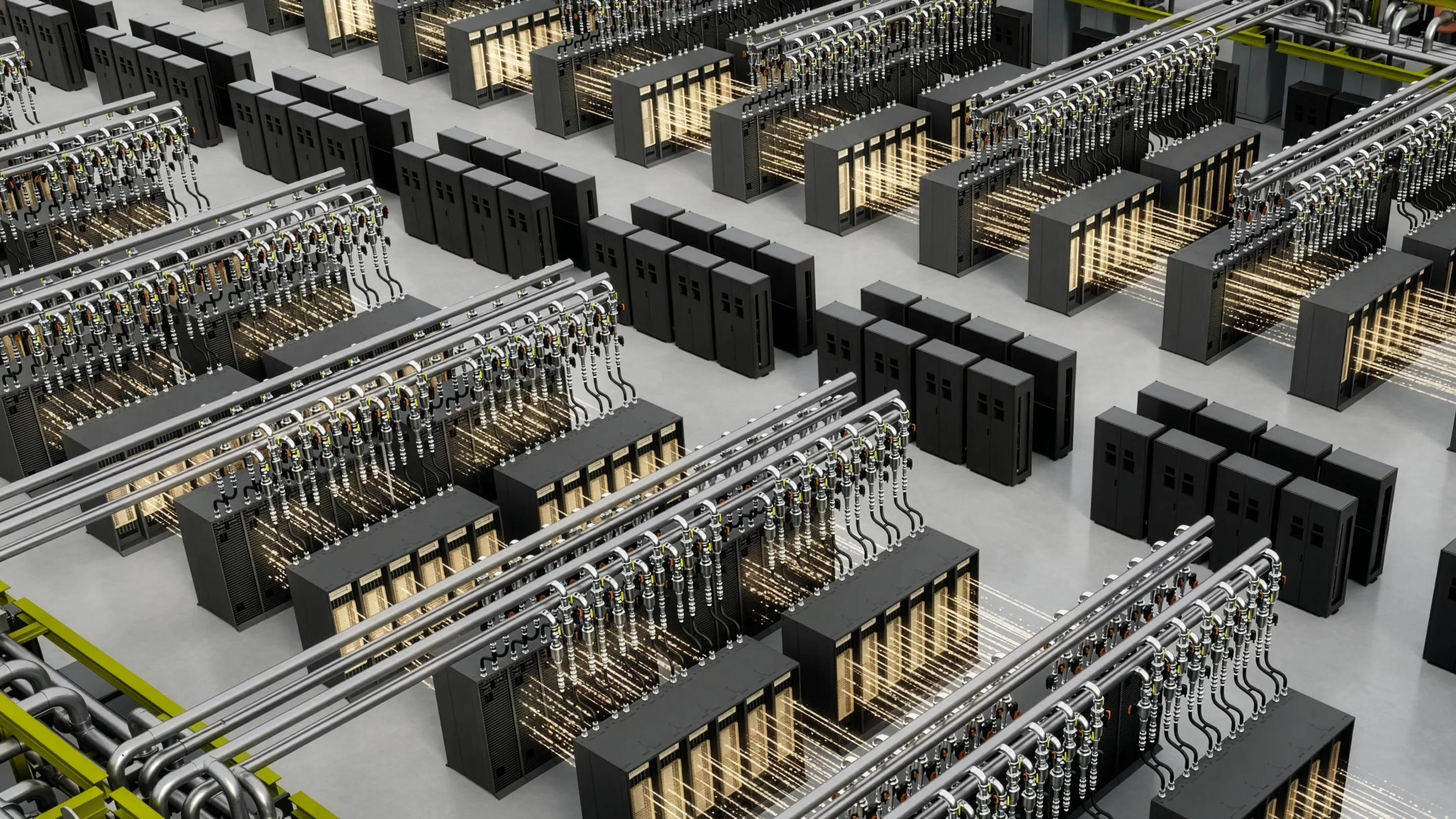
Think of a standard power plant. It has a limit on how much electricity it can produce. NVIDIA is now applying that same logic to "AI factories"—the massive data centers that power tools like ChatGPT.
In the past, people worried mostly about how fast computers were. Now, NVIDIA says the real limit is power. They’ve introduced a simple formula for businesses: Revenue = (Tokens per Watt) × (Available Gigawatts).
Think of it like a car: instead of just bragging about the top speed, NVIDIA is now focusing on how many miles you can get per gallon of gas. By making their new systems—like the Blackwell GB200 and the upcoming Vera Rubin platform—much more efficient, they are helping companies produce more AI "output" (tokens) without needing to build endless, power-hungry power plants.
Why Should You Care?
You might wonder why you should care about a math formula for data centers. Here is the reality: AI is incredibly expensive and power-intensive to run. If it takes too much electricity to get a single answer from an AI, the cost will eventually be passed on to you—either through higher subscription fees or fewer free features.
When AI factories become more efficient, the cost of generating AI responses drops significantly. The reported goal is to reduce these costs by up to 90% with newer technology. When the cost of "thinking" goes down, companies can offer more powerful AI tools, faster responses, and better features in the apps you already use every day.
What Changes for You
In the short term, you won't see a "Token Factory" switch flip. However, you will likely notice:
- Faster AI: As systems become more efficient, they can process information quicker, meaning less "thinking" time for the chatbots you use.
- Cheaper Access: Lower energy costs for companies mean they can afford to keep services free or low-cost for longer.
- More Reliable AI: With better efficiency, companies can support more users at once, reducing those annoying "at capacity" errors.
Frequently Asked Questions
Is my personal computer going to get better because of this?
No, this is about the massive industrial data centers that power AI in the cloud. However, because these data centers will be cheaper to run, the AI apps you use on your phone or laptop will likely become more sophisticated and responsive.
Will this help the environment?
Yes, that is a core benefit. By maximizing "performance per watt," AI factories can deliver more intelligence while using less electricity, which helps manage the environmental impact of the massive energy demands of modern AI.
When will I see the effects of this shift?
These changes are happening now as companies upgrade their hardware to newer platforms like the Blackwell and Vera Rubin systems. You may notice improvements in AI speed and capability over the next year as these more efficient systems are installed in data centers.
How is this different from older AI tech?
Old AI tech focused on brute force—throwing more power at a problem to solve it. This new "Token Factory" approach treats every watt of electricity as a precious resource, focusing on clever engineering to do more work with the same amount of power.
The Bottom Line
NVIDIA’s push toward the "Token Factory" model signals a shift from the "growth at all costs" phase of AI to an "efficiency" phase. By prioritizing how much intelligence we can squeeze out of every watt of electricity, the tech industry is trying to make AI a sustainable, everyday utility rather than a luxury experiment. For the average person, this means the AI tools you rely on are about to become faster, cheaper, and more sustainable.