
The Short Version
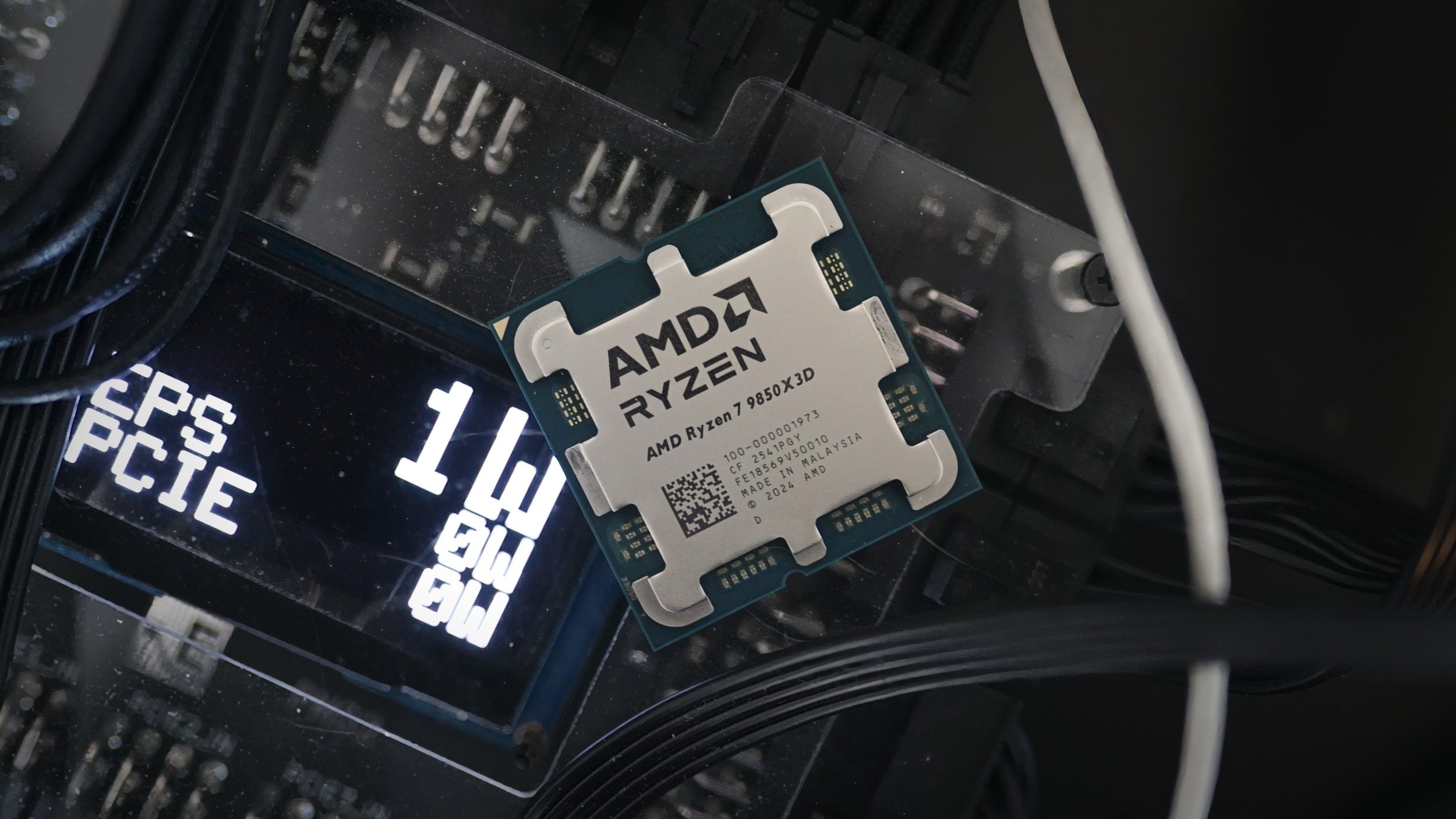
Intel and AMD, the two biggest makers of computer processors (CPUs), are facing severe supply shortages caused by the massive global demand for AI technology. These shortages have caused wait times for orders to skyrocket from two weeks to as long as six months, leading to price hikes for manufacturers. For everyday users, this means you might soon see higher prices for laptops and desktop computers, or face longer waits when trying to buy new tech.
What happened?
Think of your computer’s processor (CPU) as the "brain" of the machine. It tells everything else what to do. Usually, companies like HP, Dell, and other PC makers order these brains from Intel and AMD, and they arrive at the factory within a week or two.
Recently, that system broke down. Because tech giants are scrambling to build massive AI systems, they are buying up as many chips as they can. In the past, companies mostly wanted graphics chips (GPUs) for AI, but now they need standard CPUs to help run the rest of the AI system. Because manufacturers are prioritizing these huge, deep-pocketed tech companies, the supply of chips meant for regular consumer laptops and desktops has shriveled. It’s like a massive construction project buying up all the lumber in town, leaving local homeowners with nothing to build their decks.
Why should you care?
This isn't just a problem for big tech companies; it hits your wallet directly. Because CPUs are harder to get, the cost for manufacturers to build a PC has jumped by about 10% to 15%. Eventually, these costs almost always trickle down to the customer.
Furthermore, "lead times"—the time it takes for a company to actually get the parts they need—have stretched from a couple of weeks to potentially half a year. If you were planning to upgrade your office equipment or buy a new gaming rig, you might find that your preferred model is suddenly "out of stock" for an extended period, or that prices have quietly risen since you last checked.
What changes for you?
- Higher Prices: Don't be surprised if the laptop you’ve been eyeing suddenly costs more than it did a few months ago.
- Inventory Issues: If you are shopping for a specific brand or high-performance computer, you may find fewer options on store shelves.
- A Shift in Technology: You might see more laptops hitting the market that use "Arm-based" chips (like the ones in your smartphone or newer MacBooks). Because Intel and AMD are struggling to keep up, PC makers are looking toward these alternatives to keep their shelves stocked.
Frequently Asked Questions
Is my current computer going to break?
No. This is a supply chain issue for new computers. Your current machine will continue to function exactly as it did before; this news only affects the availability and cost of buying something new.
Why are prices going up if the technology is the same?
When the supply of a component is low but the demand remains high, the price naturally goes up. Because PC makers have to pay more to secure these scarce chips, those costs are passed on to the people buying the finished computers.
Should I wait to buy a new laptop or desktop?
If you don't need a new computer immediately, waiting might be difficult if shortages get worse in 2026. However, if you are seeing the specific model you want in stock today, it may be safer to buy it now rather than waiting for prices to potentially rise further.
When will things get back to normal?
Unfortunately, the industry experts cited do not expect a quick fix. Some sources suggest the situation could actually get worse in the second quarter of 2026, meaning this could be a challenge for some time to come.
The bottom line
We are living through a "perfect storm" where the gold rush for AI is consuming the raw materials and components needed for the computers we use at home. While it’s a frustrating time for people looking to upgrade their tech, it’s a clear signal that the industry is pivoting toward AI at an unprecedented speed. For now, keep an eye on your budget and be prepared for potential delays if you're planning a big tech purchase in the near future.