
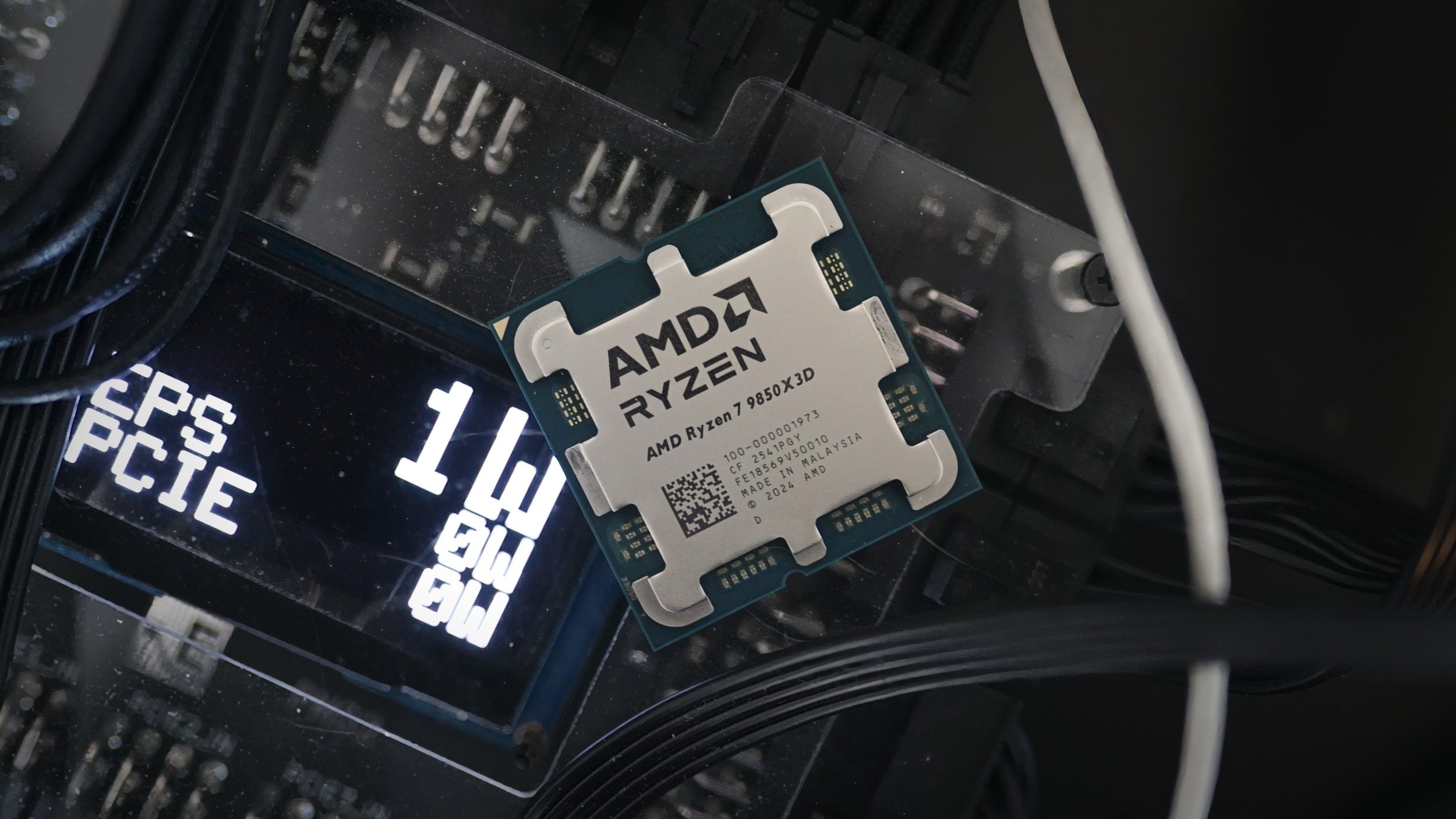
- What: PC manufacturers are reporting severe shortages of Intel and AMD CPUs, with lead times jumping from two weeks to up to six months.
- Price Impact: Average CPU costs have increased by 10% to 15%, with further price revisions expected to take effect immediately.
- Cause: Massive demand from AI hyperscalers and the rise of "agentic AI" are diverting silicon capacity away from the consumer market.
- Outlook: Industry experts warn the shortage could worsen significantly through the second quarter of 2026.
Major PC manufacturers, including HP and Dell, are facing a critical supply crunch as lead times for Intel and AMD CPUs have skyrocketed from a standard two weeks to as long as six months. This sudden shortage, driven by the insatiable appetite of AI hyperscale data centers, is causing hardware prices to surge and threatens to disrupt the global personal computing market through 2026.
From Weeks to Months: The Rapid Supply Collapse
The hardware landscape has shifted violently in recent months. According to a report from Nikkei Asia, the predictable supply chain that previously delivered processors within 14 days has effectively vanished. "Previously, the average lead time for a CPU was around one to two weeks, but now the wait time has prolonged to an average of eight to 12 weeks," a server manufacturer executive told Nikkei Asia, noting that some specific orders are now facing half-year delays.
This scarcity is already being felt in the bottom line of PC vendors. Costs for processors have risen by an average of 10% to 15%, a figure that many industry insiders believe will climb higher as the year progresses. For many manufacturers, the issue has moved beyond mere pricing. "If money can solve the problem, that would be great," an executive for a gaming PC brand told Nikkei Asia. "What we worry about is that even if we pay more, we still cannot get more."
The AI "System-Wide" Hunger
The current CPU shortage follows a familiar pattern seen in the GPU and memory markets over the last two years. While the initial AI explosion of 2023 focused almost exclusively on NVIDIA GPUs for training Large Language Models (LLMs), the industry is now entering a secondary phase where the rest of the system must catch up.
As AI developers shift focus toward "agentic AI"—autonomous agents that can perform multi-step tasks—and smaller, more efficient models, the demand for general-purpose server CPUs has increased. While GPUs handle the heavy mathematical lifting of AI, the underlying system management, data coordination, and non-AI logic rely heavily on high-end CPUs.
The shift is so pronounced that even memory manufacturers like Micron have reportedly exited parts of the consumer market to focus entirely on enterprise and AI customers. Now, CPUs are following suit. Intel CFO David Zinsner recently noted during a quarterly financial call that "the CPU has become cool again this year," while AMD CEO Dr. Lisa Su confirmed that business has significantly exceeded expectations due to this spike in demand.
Capacity Imbalance and the x86 Threat
The structural nature of the semiconductor industry suggests that this is not a short-term glitch. Intel’s output capacity for general-purpose server CPUs is reportedly only increasing at a single-digit rate, despite market demand projected to grow by nearly 15% in 2026.
AMD faces a different hurdle: as a fabless chipmaker, it must compete for limited manufacturing space at foundries like TSMC and Samsung. In these high-stakes bidding wars, AMD is often pitted against trillion-dollar giants like NVIDIA and Google, who are also vying for the same "leading-edge" production nodes for their own AI accelerators and custom silicon.
This shortage creates a massive opening for Arm-based processors. While Intel and AMD have recently formed an alliance to protect the legacy x86 architecture, their inability to put chips in boxes may force customers' hands. Microsoft has already made a significant push for Arm-powered "Copilot+ PCs," and NVIDIA is reportedly preparing its own Arm-based consumer chip, the N1X, for laptops later this year.
Impact on Developers and Enterprise
For developers and enterprise IT departments, this shortage signals a return to the "scarcity mindset" of the pandemic era.
- Hardware Procurement: Companies planning hardware refreshes or new server deployments should expect significantly higher capital expenditures and should place orders at least two quarters in advance.
- Cost of Compute: As the core components of laptops and servers become more expensive, the cost of local development environments will rise, potentially pushing more developers toward cloud-based virtual machines—ironically further fueling the demand for the very hyperscale data centers causing the shortage.
- Architecture Shifts: This bottleneck could accelerate the adoption of Windows on Arm, as Qualcomm and other Arm-based vendors may have better availability than their x86 counterparts.
"This marks the end of the post-pandemic recovery era for hardware pricing, as AI infrastructure now dictates the availability of consumer-grade technology."
What’s Next: A Difficult 2026
The outlook for the remainder of the year and into 2026 remains grim for PC makers. Industry sources cited by Nikkei Asia expect the supply situation to reach a breaking point in the second quarter of 2026.
While Intel and AMD are working to ramp up production, the priority remains the high-margin AI and server segments. For the average consumer or a small gaming PC builder, the "trickle-down" supply of silicon is likely to remain thin for the foreseeable future. If the x86 leaders cannot solve their delivery woes, the "AI era" may very well be the catalyst that finally breaks the Intel-AMD duopoly in the personal computing space.