
The Short Version
The Atlas 350 is a new AI-processing chip unveiled by Huawei that is designed to help computers run complex AI tasks much faster than previous versions. By using a new method of processing data called "FP4," Huawei claims this chip can handle AI workloads nearly three times faster than Nvidia’s popular "H20" model used in China. This move is a major step in Huawei’s push to create powerful, locally-made AI hardware that doesn’t rely on foreign technology.
What Happened?
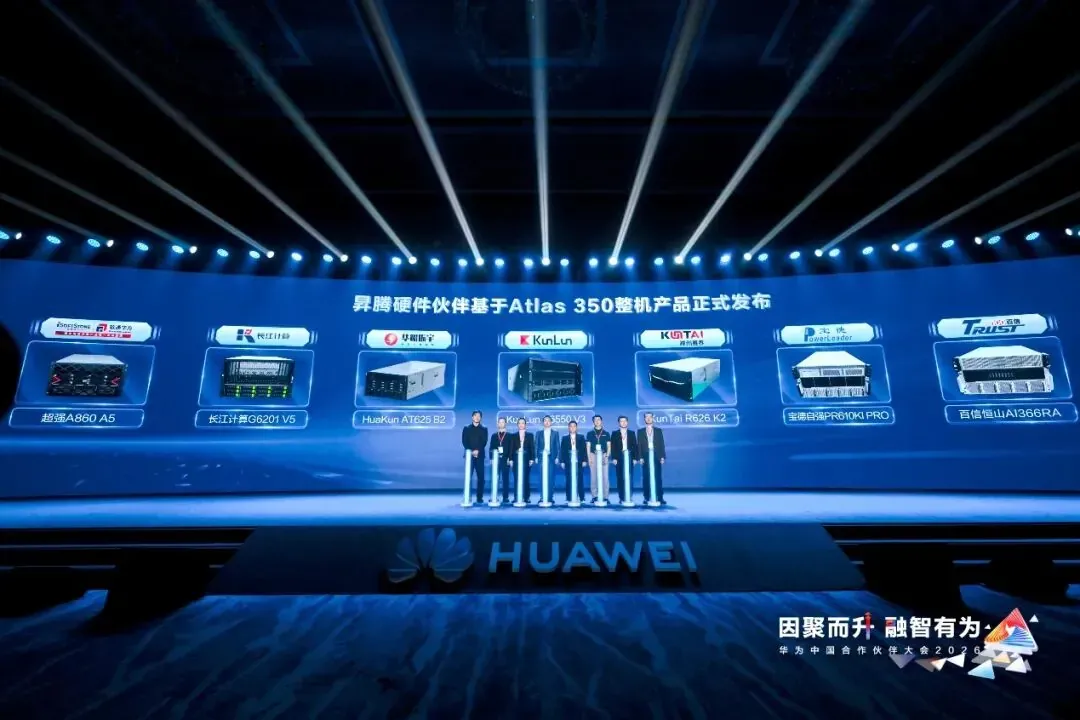
At the Huawei China Partner Conference 2026, the company introduced the Atlas 350, a powerful new piece of hardware known as an "AI accelerator."
Think of your computer or smartphone like a busy kitchen. If a standard processor is the head chef, an AI accelerator is like having a team of specialized sous-chefs who only focus on the most complex, time-consuming tasks—like organizing a massive library of information or "thinking" through a request you type into a chatbot.
Huawei’s new chip uses a technique called FP4. If you imagine data as physical items, older chips might have been required to carry large boxes. The "FP4" method acts like a way to shrink those boxes so the chip can carry much more at once, allowing it to work significantly faster. Huawei claims this makes the Atlas 350 nearly 2.8 times more efficient at certain tasks compared to Nvidia’s H20 chip, which is currently a standard choice for AI work in China.
Why should you care?
Even if you never buy a computer chip, this news matters because of how we use AI every day.
When you ask an AI chatbot for help, or use an app that edits your photos with AI, that process requires a computer somewhere to "think" for you. Currently, these services can be expensive and sometimes slow. If companies like Huawei can build faster, more efficient chips, it could make AI services:
- Cheaper: Efficient hardware costs less to run, which could eventually lower the price of subscriptions or services.
- Faster: You might notice your favorite AI features responding to your requests almost instantly.
- More capable: Faster hardware allows AI to handle more complex tasks, like analyzing longer videos or more detailed documents, without crashing or stalling.
What changes for you
In the short term, you won’t see any physical changes to your current phone or laptop. However, this is part of a larger global race. Because of trade restrictions, Huawei is working hard to become "self-reliant"—meaning they are building their own chips from scratch instead of relying on parts from the U.S. or other regions.
If they succeed, it means the world’s AI tools will continue to evolve rapidly, regardless of global trade limits. For the average person, this competition between tech giants (like Huawei and Nvidia) usually leads to faster innovation, meaning the AI tools you use will likely get smarter and more helpful at a quicker pace.
Frequently Asked Questions
Is the Atlas 350 available for me to buy?
No, the Atlas 350 is an industrial-grade chip designed for large data centers and companies that run heavy AI services. It is not a component you would purchase for your home computer or gaming rig.
How is this different from Nvidia chips?
Nvidia is currently the industry leader, but their chips sold in certain markets are sometimes "restricted" to comply with international rules. Huawei’s new chip is built entirely in-house using their own technology, allowing them to bypass those restrictions and, as they claim, achieve higher efficiency for specific types of AI tasks.
When will I notice the effects of this new chip?
You likely won't see a specific "Atlas 350" label on anything you use. Instead, you might notice that the AI services you use in the future—such as voice assistants, search engines, or creative tools—become faster or gain new capabilities, as they move to the more efficient hardware enabled by chips like these.
The bottom line
Huawei’s introduction of the Atlas 350 is a sign that the global race for AI power is heating up. By creating a chip that is potentially faster and more efficient than existing alternatives, Huawei is pushing the boundaries of what AI can do in China. For you, this means the AI tools of tomorrow will likely be faster and more powerful, as companies worldwide compete to build the hardware that powers our digital future.