
The short version
"Power-flexible" AI factories are a new type of data center designed by NVIDIA and Emerald AI that can automatically dial back their electricity usage during moments of high demand. By acting as a "shock absorber" for the power grid, these facilities prevent local energy spikes from causing blackouts or service disruptions. This technology helps keep electricity rates more affordable for you by reducing the need for expensive, massive upgrades to the public power grid.
What happened?
We’ve all heard that artificial intelligence requires a massive amount of electricity. As AI companies build more "AI factories"—the giant data centers that power tools like ChatGPT—they put a lot of strain on our local power grids.
Think of a power grid like a busy highway. When everyone tries to merge onto the highway at the same time (like when millions of people turn on their kettles for tea during a football halftime), traffic slows to a crawl or crashes. Usually, the only way to solve this is to build more lanes, which is expensive and takes years.
Emerald AI and NVIDIA have developed a smarter solution. They’ve created "power-flexible" AI factories that use software to "read" the grid. When the grid gets overloaded, the AI factory instantly detects the stress and slows down its less important tasks. It acts like a vehicle on that busy highway that voluntarily pulls over to the shoulder, freeing up space for everyone else. By doing this, the factory prevents the grid from crashing without needing to build "more lanes" (or, in this case, new power plants).
Why should you care?
You might think, "Why does a data center's power usage matter to me?" It matters for two main reasons: your wallet and your reliability.
- Keeping Bills Down: When energy companies have to build huge, expensive new power plants just to handle occasional spikes in demand, those costs are often passed down to customers in the form of higher electricity rates. By allowing AI factories to "buffer" or smooth out those spikes, energy companies can use the power grid we already have more efficiently, which helps keep costs from ballooning.
- Grid Stability: We are increasingly reliant on electricity for everything from heating our homes to charging our electric vehicles. If our power grid is constantly pushed to the breaking point by new, massive tech facilities, the risk of outages increases. This technology turns a potential "power hog" into a helpful "grid partner," making the system safer and more reliable for your home.
What changes for you?
For the average person, this is a "behind-the-scenes" win. You won’t see a new button on your phone or a change in how your apps work. Instead, the change is structural:
- Faster Tech Growth: Because these AI factories can plug into the existing grid without needing years of massive infrastructure construction, new AI services and tech innovations may reach you faster.
- Long-term Stability: You may see fewer disruptions during times of peak energy usage, as the grid has more "breathing room" to manage surges.
Frequently Asked Questions
Does this mean my AI apps will be slower?
No. The technology, known as the Emerald AI Conductor Platform, is smart enough to prioritize high-priority tasks. It only pauses or slows down lower-priority "background" jobs during a grid emergency, ensuring that the AI services you rely on continue to function normally.
Is this already happening?
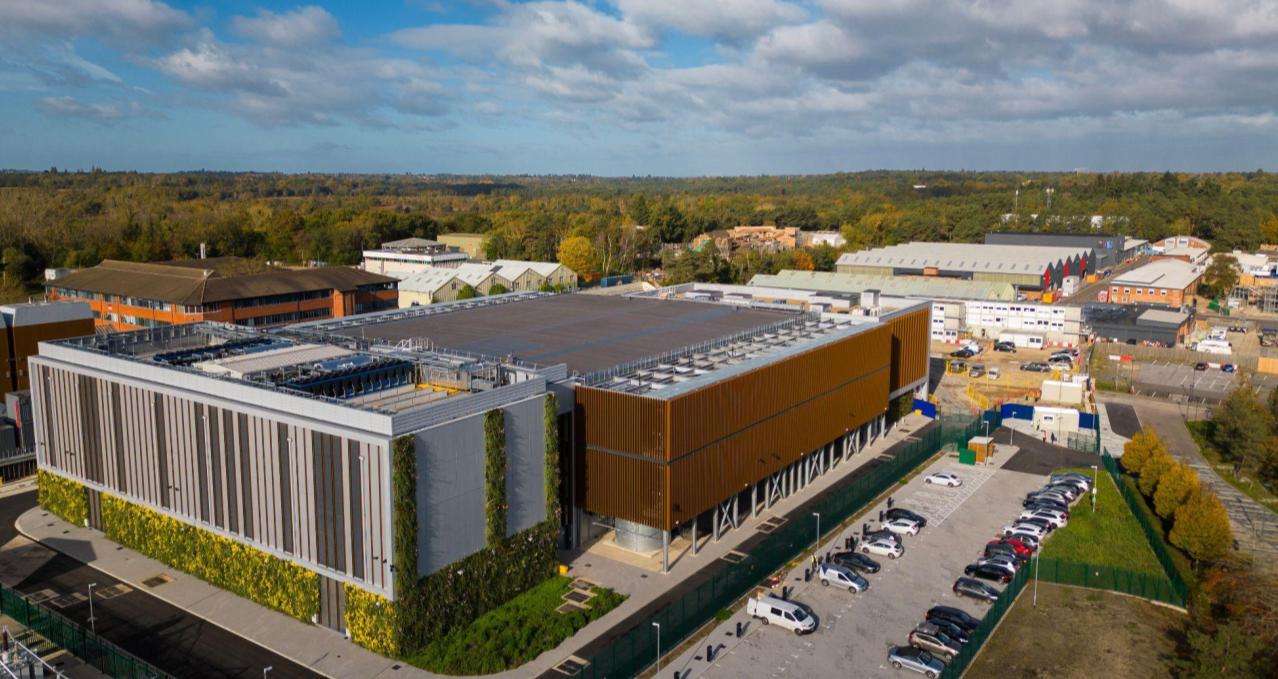
Yes. Successful tests have been conducted in Arizona, Virginia, Illinois, and most recently at a facility in London. The tech has proven it can handle simulated power stress scenarios, like sudden surges in electricity demand, perfectly.
Does this technology help the environment?
By using the existing power grid more efficiently, this approach reduces the need for "overbuilding" new energy infrastructure. It’s an example of using intelligent software to make our existing systems greener and more efficient, rather than simply consuming more resources.
The bottom line
The rapid rise of AI has put a spotlight on the world's limited electricity supply, but we don't necessarily need to keep building more and more power plants to keep up. By turning AI factories into flexible "grid assets" that can dial back their usage when the public needs power most, NVIDIA and Emerald AI are providing a clever, common-sense solution. For you, this means a more stable power supply and potentially lower costs, all while allowing the tech industry to continue growing responsibly.