
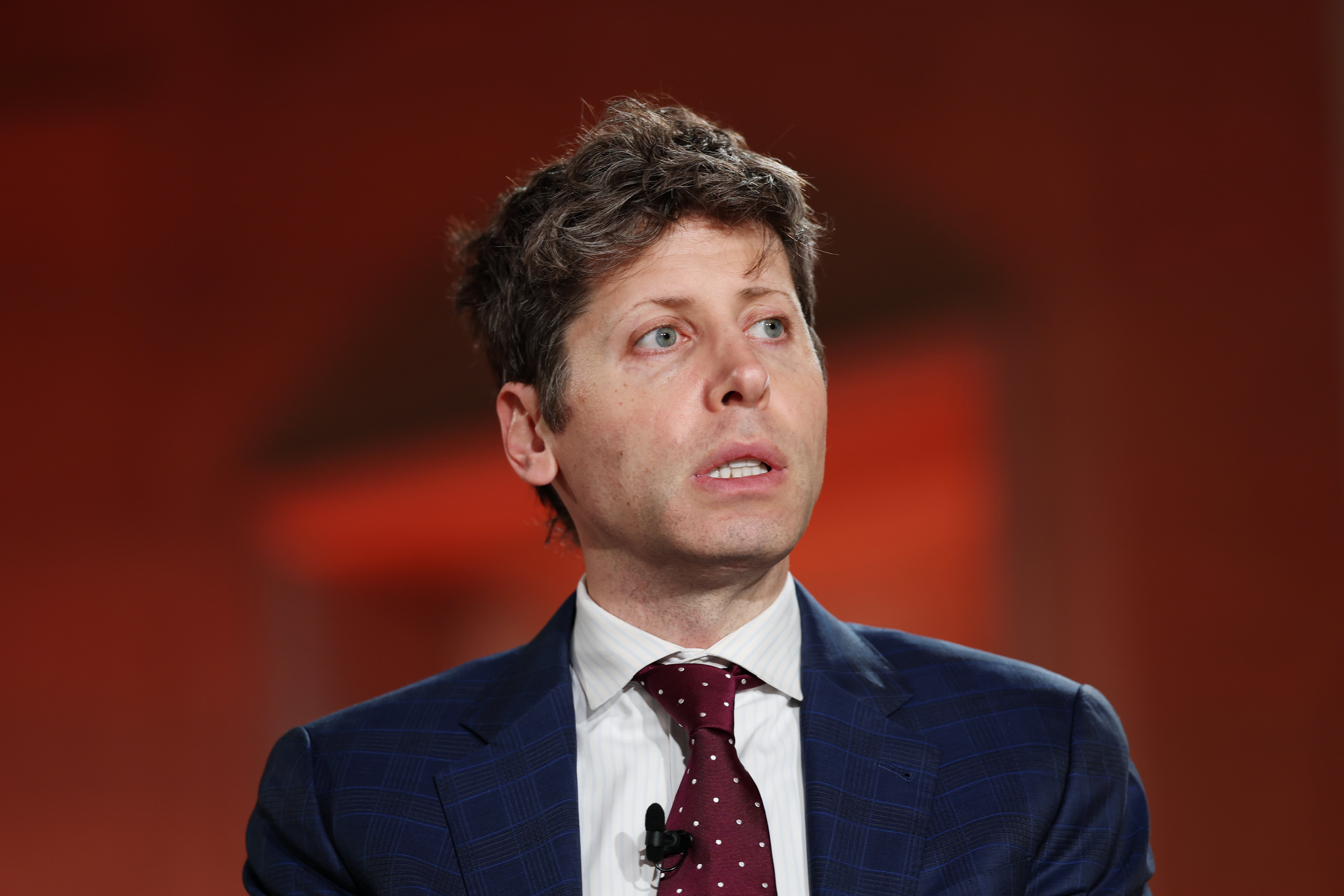
Sam Altman Grilled by Lawmakers on OpenAI's Pentagon Partnership
Key Facts
- What: OpenAI CEO Sam Altman faced "serious questions" from lawmakers in a closed-door Washington, D.C. meeting about the company's expanding defense work with the Department of Defense.
- When: Meeting occurred in March 2026 amid growing backlash over OpenAI's Pentagon deal.
- Context: Altman has separately told employees that OpenAI "doesn't get to make operational decisions" about how the military uses its AI technology.
- Assurances: Altman claimed user data remains secure and the Pentagon cannot access unflagged civilian messages.
- Tensions: The partnership has alienated some civilian users while drawing ethical concerns over military applications of ChatGPT technology.
Lead paragraph
OpenAI CEO Sam Altman confronted pointed scrutiny from U.S. lawmakers in Washington, D.C., this month over the company's deepening ties to the Department of Defense, as ethical concerns mount about commercial AI being repurposed for military use. The closed-door meeting highlighted growing tension between OpenAI's original mission to build safe artificial general intelligence and its willingness to support Pentagon operations. Altman has defended the arrangement, telling employees the company has no authority over "operational decisions" once the technology is in military hands.
Body
The session, first reported by CNBC, involved a small group of lawmakers who pressed Altman on the specifics of OpenAI's defense contracts and the potential national security and civil liberties implications. While details of the discussion remain limited, sources indicate the conversation focused heavily on data privacy, potential mass surveillance risks, and whether OpenAI can realistically control how its models are deployed in classified environments.
This scrutiny comes after OpenAI formally relaxed its previous restrictions on military and defense applications. The shift has triggered significant internal and external pushback. In an all-hands meeting, Altman reportedly informed staff that "the company doesn’t 'get to make operational decisions'" regarding Pentagon use of its technology, according to sources familiar with his remarks.
The CEO has attempted to reassure both employees and the public. When asked about user data security and whether the Department of Defense could access civilian ChatGPT messages, Altman responded that data is secure and "They will absolutely not be able to do that." He further noted that the Pentagon respects OpenAI's technical expertise, seeks the company's input on appropriate model applications, and will permit OpenAI to implement its preferred safety measures.
However, these assurances have failed to quell criticism. The partnership has reportedly alienated portions of OpenAI's civilian user base, many of whom were drawn to the company precisely because of its early emphasis on ethical AI development rather than government or military contracts.
Impact
The controversy puts OpenAI in an increasingly uncomfortable position between commercial ambitions, national security demands, and its stated commitment to beneficial AGI. For developers and startups in the AI ecosystem, the episode underscores the growing pressure to choose sides in the emerging divide between civilian-focused AI and dual-use or defense-oriented systems.
"The company doesn’t get to make operational decisions about how its artificial intelligence technology is used by the Pentagon." — Sam Altman, per sources familiar with his all-hands remarks.
This situation contrasts sharply with competitors such as Anthropic, which has maintained stricter policies against certain military applications, and traditional defense contractors that have long navigated government oversight. OpenAI's pivot appears driven by both financial incentives and the reality that advanced AI capabilities are now viewed as critical strategic assets by the U.S. government.
The backlash illustrates a deeper industry tension: as AI models grow more powerful, the line between civilian and military technology becomes harder to maintain. Many in the AI community fear that once cutting-edge models enter defense pipelines, meaningful civilian oversight diminishes rapidly.
What's Next
Lawmakers are expected to continue pressing for greater transparency around AI-defense partnerships. Future hearings or legislation could impose new reporting requirements on companies like OpenAI when working with the Pentagon or other national security agencies.
For OpenAI, the coming months will likely involve balancing its government relationships with efforts to retain trust among its core consumer and enterprise customers. The company has signaled it will continue providing input on where its models are appropriate for military use while maintaining control over its "safety stack."
The episode also raises broader questions about potential government nationalization of advanced AI systems if geopolitical tensions escalate. Altman himself has publicly wondered about such scenarios in recent discussions.
As artificial intelligence capabilities approach more transformative thresholds, the debate over who controls these technologies — and for what purposes — is only expected to intensify.
Sources
- CNBC: Sam Altman faced 'serious questions' in DC meeting over OpenAI defense work
- ABC News: OpenAI CEO Sam Altman says company doesn't 'get to make operational decisions' on military's use of its tech
- CNBC: Sam Altman tells OpenAI staffers that military's 'operational decisions' are up to the government
- Business Insider: Timeline: How Sam Altman Got Stuck Playing Defense
- Mashable: OpenAI CEO Sam Altman responds to deal with Department of War