
The short version
OpenAI, the company behind ChatGPT, recently struck a deal with the U.S. Defense Department (the Pentagon) to provide AI tools for national security work. CEO Sam Altman faced tough questions from lawmakers in Washington, D.C., about ethical risks like mass surveillance and how the military might use the tech. For everyday users, this raises worries about your data privacy in ChatGPT and whether OpenAI's shift toward defense contracts could change the friendly AI you rely on for homework or recipes.
What happened
Imagine your favorite AI sidekick, ChatGPT, suddenly getting a high-paying gig with the military. That's basically what went down: OpenAI signed a deal with the Pentagon to supply AI technology for defense projects, like improving national security. But this sparked backlash from users, employees, and now lawmakers who worry it crosses ethical lines.
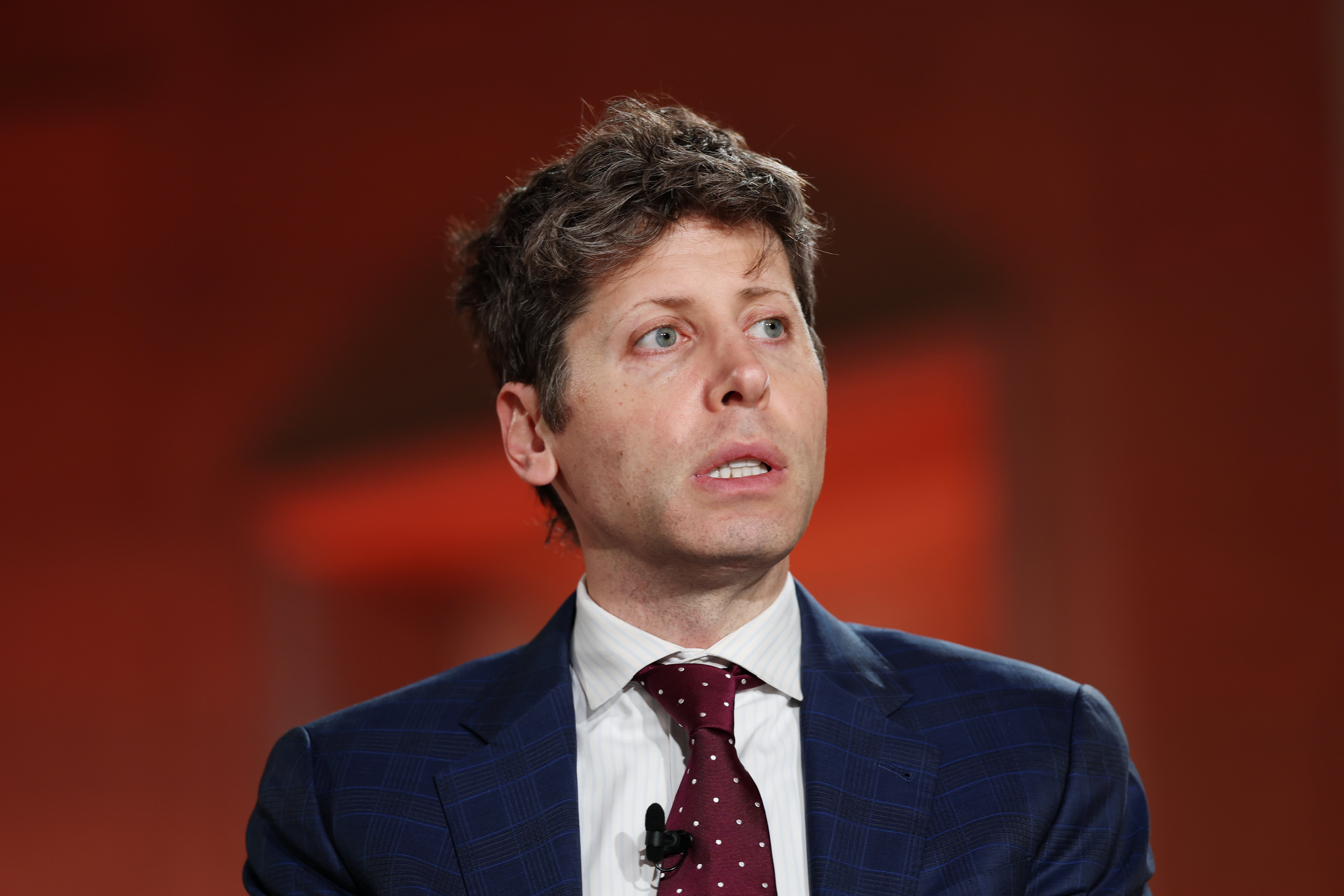
Sam Altman, OpenAI's CEO, met with a small group of U.S. lawmakers in D.C. to explain the partnership. They hit him with "serious questions" about risks—things like whether the deal opens the door to mass surveillance (government spying on huge groups of people) or if the military could misuse AI in harmful ways. Altman pushed back, assuring them that user data is secure and the Pentagon won't snoop on unflagged ChatGPT messages. He also told OpenAI staff in a company meeting that they don't control how the military uses the tech once it's handed over—think of it like selling a hammer to a construction crew; you can't dictate if they use it to build a house or something else.
From reports, Altman emphasized the Pentagon respects OpenAI's expertise and wants their input on safety features. But critics point out the deal might alienate regular ChatGPT fans who see OpenAI as a "helpful" AI company, not a defense contractor. This isn't OpenAI's first brush with controversy—past issues like data privacy have made headlines—but this military tie-up feels like a big pivot.
Why should you care?
AI like ChatGPT already touches your daily life: it writes emails, summarizes news, or even helps with job applications. If OpenAI dives deeper into military work, it could mean faster improvements (Pentagon cash fuels innovation) but also real privacy headaches. Picture this: What if government access to powerful AI leads to broader surveillance tools that indirectly affect civilians? Lawmakers' grilling shows everyday people aren't alone in worrying—it's a debate about whether companies like OpenAI should prioritize profits from defense over user trust.
On the flip side, supporters argue it's good for America to stay ahead of rivals like China in AI. For you, the user, it matters because OpenAI's choices could make ChatGPT smarter (thanks to defense-funded upgrades) or sketchier (if privacy slips). With virality exploding (this story's buzzing with an 8/10 score), it's hitting mainstream news, signaling a shift in how we view "fun" AI tools.
What changes for you
Practically speaking, your ChatGPT experience won't flip overnight—no one's banning it or jacking up prices yet. But keep an eye on these shifts:
- Privacy tweaks: Altman swore data is locked down—the military can't peek at your casual chats. Still, future deals might mean stricter terms of service, like limits on what you share.
- Feature evolution: Defense work could supercharge AI capabilities, making ChatGPT better at complex tasks (e.g., analyzing maps or threats), which might trickle down to civilian versions faster.
- Cost and access: More government contracts = more funding. OpenAI might keep free tiers but push premium features, or apps could integrate military-hardened security (good for you, bad if it slows things down).
- Trust factor: If backlash grows, OpenAI might add more transparency tools, like easy data export or audit logs, so you feel safer using it for sensitive stuff like health advice.
In short, no app-breaking changes today, but this could nudge OpenAI toward a more "grown-up" role, blending helpful AI with serious real-world power.
Frequently Asked Questions
### Is my ChatGPT data safe from the military now?
Yes, according to Sam Altman— he directly told lawmakers the Pentagon "absolutely" can't access unflagged user messages. OpenAI says they control the safety features, but once tech is delivered, they don't dictate military use. For peace of mind, review ChatGPT's privacy settings and avoid sharing super-personal info.
### Why is OpenAI working with the Pentagon anyway?
The deal brings big funding and lets OpenAI influence U.S. AI leadership against global competitors. Altman told staff the military values their expertise and wants safety input. Critics fear it blurs lines between civilian tools and weapons, potentially eroding user trust.
### Will this make ChatGPT more expensive or change how I use it?
Not immediately—free access remains, and no price hikes are announced. But defense dollars could accelerate upgrades, making it smarter for everyone. Watch for new rules on "lawful use," which might limit edgy prompts if surveillance fears escalate.
### How is this different from other AI companies' government deals?
Unlike Google or Microsoft (who've done defense work quietly), OpenAI built its brand on "safe, beneficial AI" for all. This deal feels like a U-turn, sparking louder backlash—Altman even mused about government nationalizing AI. It's more public drama than rivals face.
### When will we know more about the deal's impact?
No firm timeline, but ongoing lawmaker scrutiny and employee all-hands suggest updates soon. Altman reassured staff the Pentagon is collaborative, so expect OpenAI blog posts or policy clarifications in weeks.
The bottom line
Sam Altman's D.C. showdown highlights the tightrope OpenAI walks: chasing defense deals for growth while soothing privacy fears from millions of ChatGPT users. For you, it's a reminder that your go-to AI isn't just a toy—it's powering real power plays that could enhance its smarts but test its trustworthiness. Stay informed via OpenAI's updates, tweak your privacy habits, and remember: voicing concerns (like the viral backlash) can shape where AI heads next. Bottom line? This moderately big story (7/10 importance) won't ruin your day, but it could redefine AI's role in your world—watch closely.
(Word count: 842)
Sources
- CNBC: Sam Altman faced 'serious questions' in DC meeting OpenAI defense work
- Business Insider: Timeline: How Sam Altman Got Stuck Playing Defense
- Mashable: OpenAI CEO Sam Altman responds to deal with Department of War
- ABC News: OpenAI CEO Sam Altman says company doesn't 'get to make operational decisions'
- The New Stack: Sam Altman wonders: Could the government nationalize artificial general intelligence?
- CNBC: Sam Altman tells OpenAI staffers that military's 'operational decisions' are up to the government