
The short version
The Pentagon has officially declared Anthropic's Claude AI a "supply-chain risk to national security," banning defense contractors from using it in any work with the U.S. military. This means companies doing business with the Department of Defense (DOD) must certify they won't use Claude, marking the first time an American AI company has faced this label. For everyday people, this could raise AI prices, limit innovation in tools you use, and signal tougher government rules on tech—potentially affecting your access to smarter apps and services down the line.
What happened
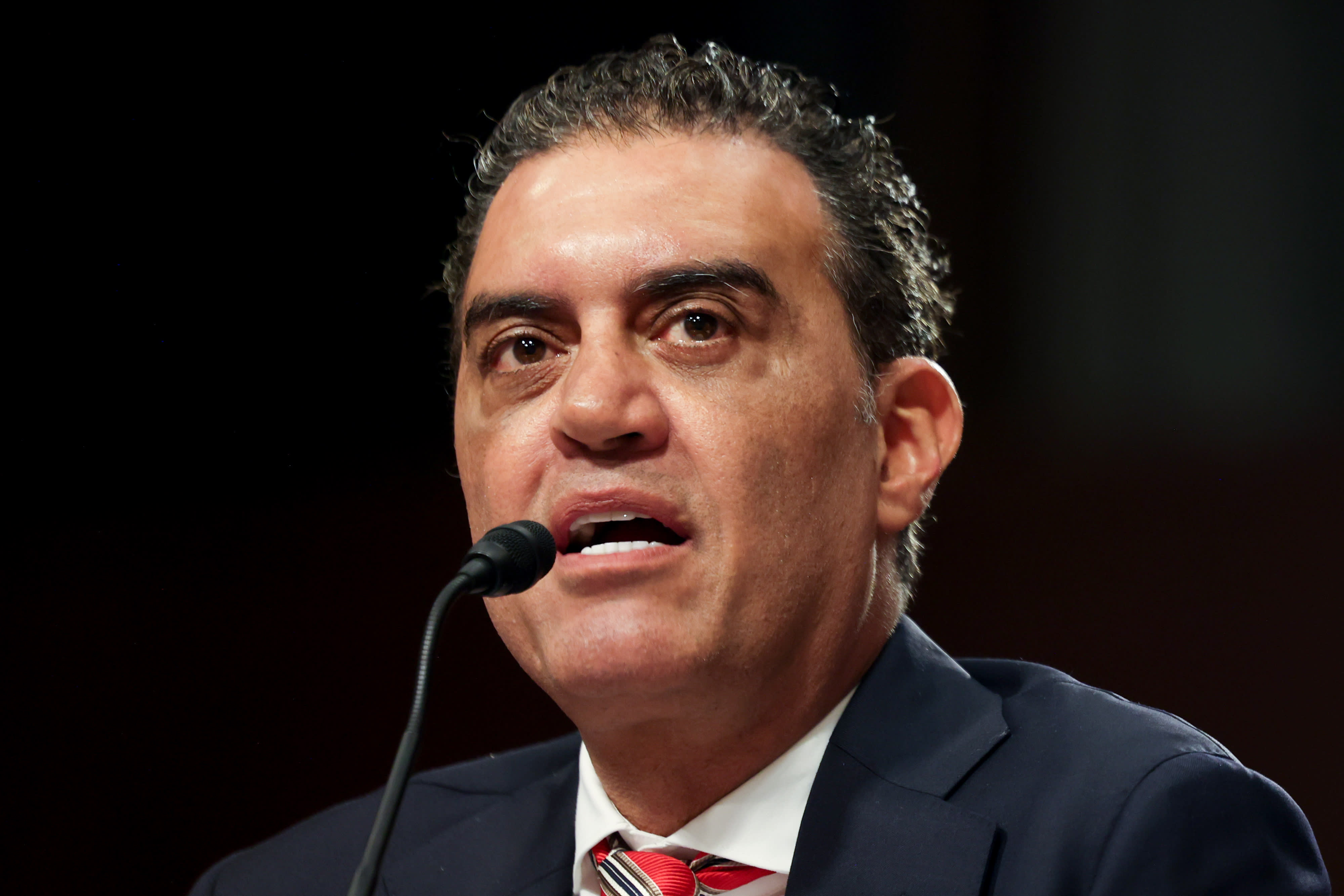
Imagine the U.S. military's supply chain like a giant kitchen preparing meals for soldiers—everything from ingredients to utensils has to be trusted and safe. If one supplier sneaks in bad food, it could make everyone sick. That's the analogy the Pentagon's Chief Technology Officer (CTO), Emil Michael, used when he called Anthropic's Claude AI a "pollution" risk to the defense supply chain. On March 12, 2026, the DOD formally notified Anthropic of this designation, requiring all contractors, vendors, and partners to cut ties with Claude or lose their military contracts.
This didn't come out of nowhere. Just six days earlier, around March 5-6, 2026, Defense Secretary Pete Hegseth posted on social media (X, formerly Twitter) directing the DOD to label Anthropic this way. He made it "effective immediately," stating no contractor, supplier, or partner doing business with the U.S. military could have "any commercial activity with Anthropic." President Trump piled on in a Politico interview, denouncing Anthropic harshly and saying he "fired them like dogs." The DOD is phasing out Claude over six months, but the ban is firm.
Why Anthropic? The sources hint at concerns like Claude being used in Iran—a U.S. adversary—despite Anthropic being the first American AI firm hit with this. No specific technical specs, benchmarks, pricing details, or competitive context (like how Claude stacks up against rivals such as OpenAI's ChatGPT or Google's Gemini) are provided in the reports. It's framed purely as a security issue: using Claude could let foreign bad actors indirectly influence military work through the AI's outputs or data flows. Michael stressed to CNBC's "Squawk Box" that "this is not meant to be punitive," but the impact is huge—Anthropic claims it could cost them billions in business.
Anthropic isn't taking this lying down. They've sued the Pentagon and the Trump administration over the "supply chain risk" designation, arguing it's unfair and damaging. This is the first time the DOD has slapped this label on a homegrown U.S. AI company, setting a precedent that could ripple through the tech world.
Why should you care?
You might think, "Military stuff? Not my problem—I'm just using AI to write emails or generate images." But here's the "so what": AI like Claude powers everyday tools you rely on, from customer service chatbots to photo editors and even medical advice apps. This ban creates a chilling effect. Defense contractors are massive—they build everything from fighter jets to cybersecurity systems—and many also sell consumer tech. If they can't touch Claude, they might ditch it entirely, slowing innovation and driving up costs for AI development.
Think of it like a restaurant chain banning a popular ingredient: prices go up, menu options shrink, and competitors who can use it (or alternatives) get a boost. Regular folks could see slower AI improvements in apps (like smarter Siri or faster Google searches), higher subscription fees for premium AI services, and more government oversight on the AIs you use daily. Nationally, it protects U.S. security by keeping military tech "clean," but it might make American AI less competitive globally, meaning foreign companies could dominate tools you use.
What changes for you
Practically speaking, nothing flips overnight for your phone or laptop—Claude isn't baked into iOS or Android yet. But watch for these shifts:
-
Apps and services you use: If a company like Microsoft or Amazon (big defense players) licenses Claude for their tools, they might switch to safer alternatives. Your work email AI or creative apps could get clunkier or more expensive as they rework systems.
-
Prices: Anthropic says this feud could cost them billions, hurting their ability to invest in free or cheap tiers. Expect AI subscriptions (like Claude's Pro plan, though pricing isn't detailed here) to rise as they scramble for non-defense revenue.
-
Job and business impacts: If you or a family member works in tech, defense, or any field touching government contracts, companies might audit AI use, leading to tool swaps and training headaches.
-
Broader AI rules: This sets a template. The Pentagon could target other AIs next, making all consumer AI more scrutinized. Your privacy might improve (less risky data sharing), but innovation slows—fewer "wow" features in the next year.
-
Geopolitical angle: Reports note Claude's use in Iran, so this blocks adversaries from peeking into U.S. defenses via AI. For you, it means safer national security, potentially lower taxes on defense waste, but riskier global AI race where China pulls ahead.
No benchmarks or specs are given, so we can't say if Claude was "better" or "worse" than rivals technically—it's all about trust, not performance. The six-month phase-out gives time for switches, but lawsuits could drag it out.
Frequently Asked Questions
### Why is the Pentagon banning Claude specifically?
The DOD sees Anthropic's Claude as a "supply-chain risk to national security," like a contaminated ingredient that could "pollute" military projects. Key triggers include its reported use in Iran and directives from Defense Secretary Pete Hegseth and President Trump. It's the first U.S. AI firm hit with this, requiring contractors to certify no Claude use—no details on specific vulnerabilities, just the risk label.
### Does this ban affect regular people using Claude right now?
Not immediately—you can still access Claude via Anthropic's website or apps if you're not a defense contractor. But companies serving consumers might phase it out to avoid risks, leading to changes in tools like chatbots or generators. The six-month wind-down applies to military ties, but commercial fallout could hit broader services soon.
### How is this different from other AI companies like OpenAI or Google?
No other American AI has this "supply chain risk" designation yet—Anthropic is the first. Sources don't compare benchmarks, pricing, or features, but the ban stems from unique concerns like foreign use (e.g., Iran), not general issues. Rivals might gain market share as safe alternatives.
### What happens if Anthropic wins their lawsuit?
Anthropic is suing the Pentagon and Trump admin, claiming the label is wrongful and business-killing. A win could reverse the ban, restore defense access, and boost their growth—potentially lowering AI costs for everyone. If they lose, expect more firms to face similar scrutiny, hardening military AI rules.
### Will this make AI more expensive or less innovative for me?
Likely yes—Anthropic says billions in lost business could slow their R&D, raising prices or limiting free features. Defense giants switching AIs diverts resources from consumer tools, so expect slower updates to apps you love. On the flip side, it pushes "secure" AI, possibly making your data safer.
### Is Claude really a security threat, or is this politics?
Sources frame it as security (supply-chain "pollution," Iran use), not purely punitive—CTO Michael said so explicitly. But Trump's "fired like dogs" comment and Hegseth's X post add political heat. No confirmed technical exploits; it's precautionary to protect military work.
The bottom line
The Pentagon's unprecedented ban on Anthropic's Claude as a national security risk is a wake-up call: even top U.S. AI firms aren't immune to government crackdowns if seen as risky. For you, it means potential price hikes, slower AI smarts in daily apps, and a more regulated tech future—but stronger defenses against foreign meddling. Keep an eye on the lawsuit; it could redefine how AI touches your life. Stay informed, as this feud highlights why "safe" AI matters more than ever.
(Word count: 1,248)
Sources
- CNBC: Anthropic’s Claude would ‘pollute’ defense supply chain: Pentagon CTO
- CNBC: Anthropic officially told by DOD that it's a supply chain risk even as Claude used in Iran
- The Guardian: How AI firm Anthropic wound up in the Pentagon’s crosshairs
- WIRED: Anthropic Claims Pentagon Feud Could Cost It Billions
- CBS News: Anthropic sues Pentagon, Trump administration over "supply chain risk" designation