
Anthropic’s Claude Labeled Supply-Chain Risk by Pentagon
Key Facts
- What: The Pentagon has formally designated Anthropic’s Claude AI models a “supply-chain risk to national security,” requiring defense contractors to certify they do not use Claude in work with the Department of Defense.
- Why: The Defense Department claims Claude would “pollute” the defense supply chain, citing national security concerns and potential risks from foreign adversaries.
- When: The official notification came six days after Defense Secretary Pete Hegseth publicly directed the DOD to label Anthropic a supply-chain risk; the designation phases out use of the technology over six months.
- Impact: This is the first time an American AI company has received such a designation, barring contractors from commercial activity with Anthropic while doing business with the U.S. military.
- Response: Anthropic has sued the Pentagon and Trump administration over the designation, claiming it could cost the company billions.
Lead paragraph
The U.S. Department of Defense has officially declared Anthropic’s Claude family of AI models a supply-chain risk to national security, the first time an American artificial intelligence company has faced such a designation. According to multiple reports, the move requires defense contractors and vendors to certify that they do not use Claude in any work performed for the Pentagon. The decision follows public statements from Defense Secretary Pete Hegseth and former President Trump criticizing the company, with the policy phasing out Claude’s use over six months.
Background of the Designation
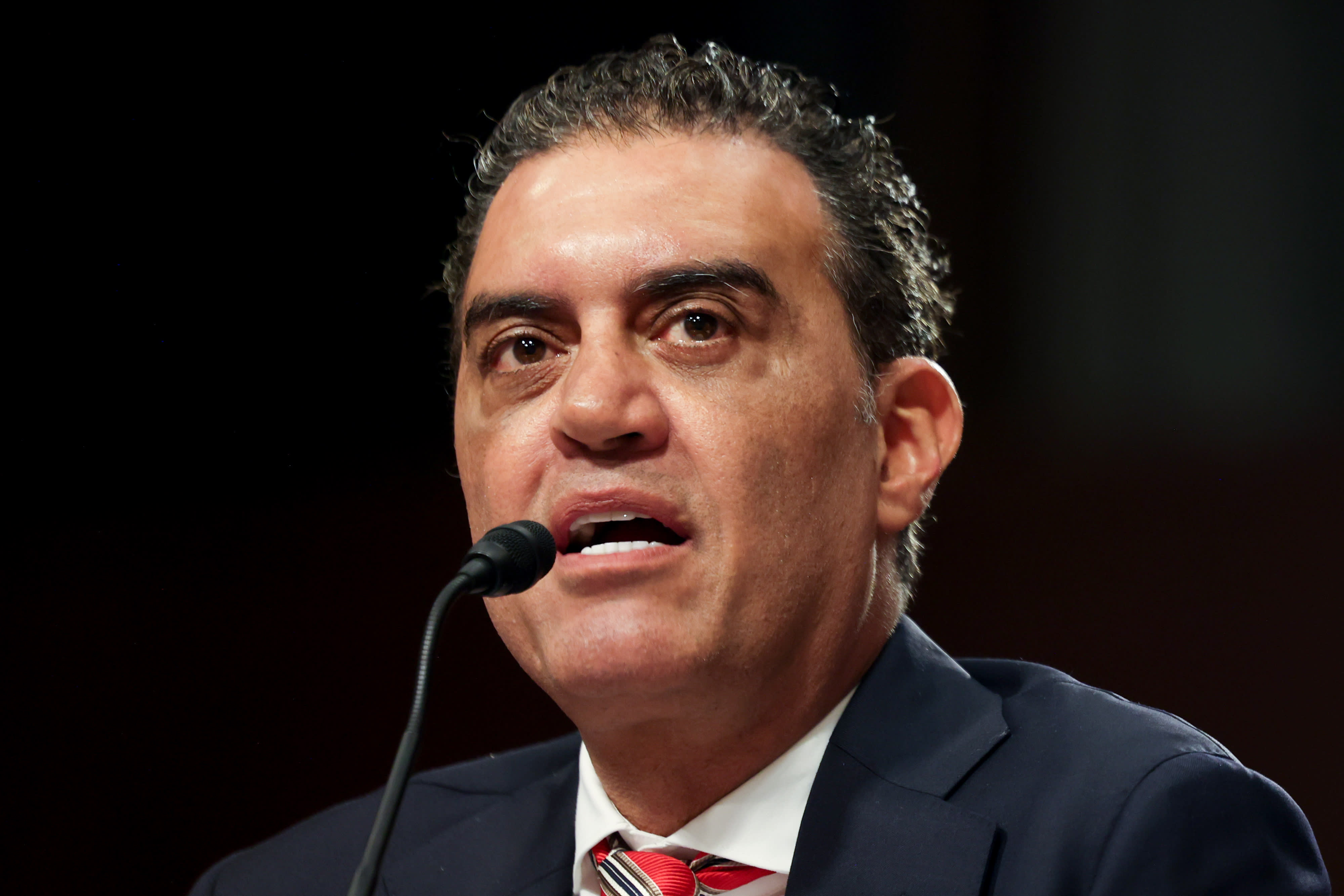
The Pentagon’s decision stems from concerns that integrating Claude into defense systems could introduce unacceptable risks to the military supply chain. Pentagon Chief Technology Officer Emil Michael told CNBC’s “Squawk Box” that “This is not meant to be punitive,” framing the action as a protective measure rather than retribution.
The official notification arrived six days after Hegseth posted on social media directing the DOD to label Anthropic a supply-chain risk. That post alone was insufficient for formal action, but it signaled the administration’s intent. The policy prohibits any contractor, supplier, or partner doing business with the U.S. military from engaging in commercial activity with Anthropic, according to reports from CNBC, The Guardian, WIRED, and CBS News.
President Trump publicly denounced Anthropic in an interview with Politico, stating he “fired them like dogs.” The escalation marks a significant rift between the Trump administration and one of the leading U.S. AI labs, which had previously positioned itself as a responsible alternative to competitors like OpenAI.
Details of the Policy
Under the designation, defense contractors must certify non-use of Claude in Pentagon-related work. The policy is intended to prevent “pollution” of the defense supply chain, a term used by officials to describe the perceived contamination of secure systems with technology deemed risky. The phase-out period of six months gives contractors time to transition away from any existing Claude implementations.
This marks an unprecedented step against a domestic AI firm. Previous supply-chain risk designations have typically targeted foreign entities or technologies with clear ties to adversarial nations. Anthropic, founded by former OpenAI employees and backed by Amazon and Google, is an American company with strong domestic roots, making the action particularly notable.
Reports indicate the Pentagon is concerned about potential vulnerabilities that could be exploited by foreign adversaries. However, the exact technical or security rationale behind labeling Claude — rather than competing models — has not been fully detailed in public statements. The source content does not provide specific technical specifications, benchmark results, pricing details, or model sizes for Claude, as the coverage focuses on the policy decision rather than product capabilities.
Anthropic’s Response and Lawsuit
Anthropic has pushed back strongly against the designation. The company has filed a lawsuit against the Pentagon and the Trump administration, arguing the move is unjustified and could severely damage its business. According to WIRED, Anthropic claims the designation could cost it billions in revenue.
The situation is further complicated by reports that Claude technology has been used in Iran, raising questions about export controls and international use of the models. Despite the Pentagon’s restrictions on U.S. defense contractors, the AI models appear to remain accessible in other contexts, highlighting the challenges of controlling dual-use technology.
Competitive and Industry Context
The AI industry has become increasingly intertwined with national security considerations. Major players including OpenAI, Google, Microsoft, and Anthropic have all sought defense contracts or partnerships in recent years. The Pentagon’s action against Anthropic could signal heightened scrutiny of which AI providers are deemed trustworthy for sensitive government work.
This development occurs amid broader tensions between the Trump administration and parts of the tech sector. The public criticism from both Trump and Hegseth suggests political dimensions to the dispute, though officials maintain the decision is rooted in national security.
The designation creates immediate practical challenges for defense contractors already using Claude for tasks such as data analysis, natural language processing, or decision support. Many will need to evaluate alternative AI solutions from providers not subject to the same restrictions.
Impact on Developers, Contractors, and the AI Industry
For defense contractors, the ruling means conducting audits of their AI toolchains and potentially replacing Claude with approved alternatives. This could increase costs and delay projects in the short term. Software developers working on defense projects must now navigate new certification requirements regarding AI usage.
The broader AI industry faces uncertainty about future government actions. Companies developing frontier AI models may need to consider how their governance practices, investor base, and international activities could affect their eligibility for U.S. government work. The precedent set here could influence how other agencies evaluate AI vendors.
Anthropic’s business prospects appear threatened by the decision. Beyond direct defense-related revenue, the designation could create reputational effects that influence commercial customers wary of partnering with a company in conflict with the Pentagon. The company’s lawsuit indicates it will vigorously contest the label.
What’s Next
The six-month phase-out period provides a timeline for contractors to transition away from Claude. The outcome of Anthropic’s lawsuit against the Pentagon and Trump administration could determine whether the designation stands or is reversed. Court proceedings may also force the government to provide more detailed justification for the risk assessment.
The situation remains fluid. Additional details about the specific risks posed by Claude have not been publicly released. Future policy decisions may clarify whether the ban applies only to defense work or extends further.
For the AI sector, this case highlights the growing intersection of technology, national security, and politics. How the dispute resolves could shape government-AI industry relations for years to come.
The Pentagon has not yet released a comprehensive technical report explaining the precise vulnerabilities associated with Claude compared to other available large language models. Without that information, the industry is left to interpret the designation through the lens of official statements emphasizing supply-chain protection.
Sources
- Anthropic’s Claude would ‘pollute’ defense supply chain: Pentagon CTO
- Anthropic officially told by DOD that it's a supply chain risk even as Claude used in Iran
- How AI firm Anthropic wound up in the Pentagon’s crosshairs
- Anthropic Claims Pentagon Feud Could Cost It Billions
- Anthropic sues Pentagon, Trump administration over "supply chain risk" designation