
The short version
NVIDIA's TensorRT Edge-LLM is a super-fast software tool that lets powerful AI "brains" (called large language models or LLMs) run directly on small, battery-powered devices like self-driving cars and robots, without needing the internet or big cloud computers. This solves the big puzzle of making these machines think, see, and move in real-time while using very little power – think of it like giving a robot a lightweight smartphone brain instead of a bulky desktop PC. For everyday people, it means safer autonomous vehicles, helpful home robots, and smarter gadgets that work reliably anywhere, bringing sci-fi tech closer to your driveway and doorstep.
What happened
Imagine you're teaching a robot to fetch your groceries or a self-driving car to dodge a kid on a bike. Normally, these machines need massive AI computers in the cloud – far away data centers – to "think" about what to do. But that's like calling a friend across the ocean every time you need advice: it's slow, uses tons of internet data, and fails if the signal drops.
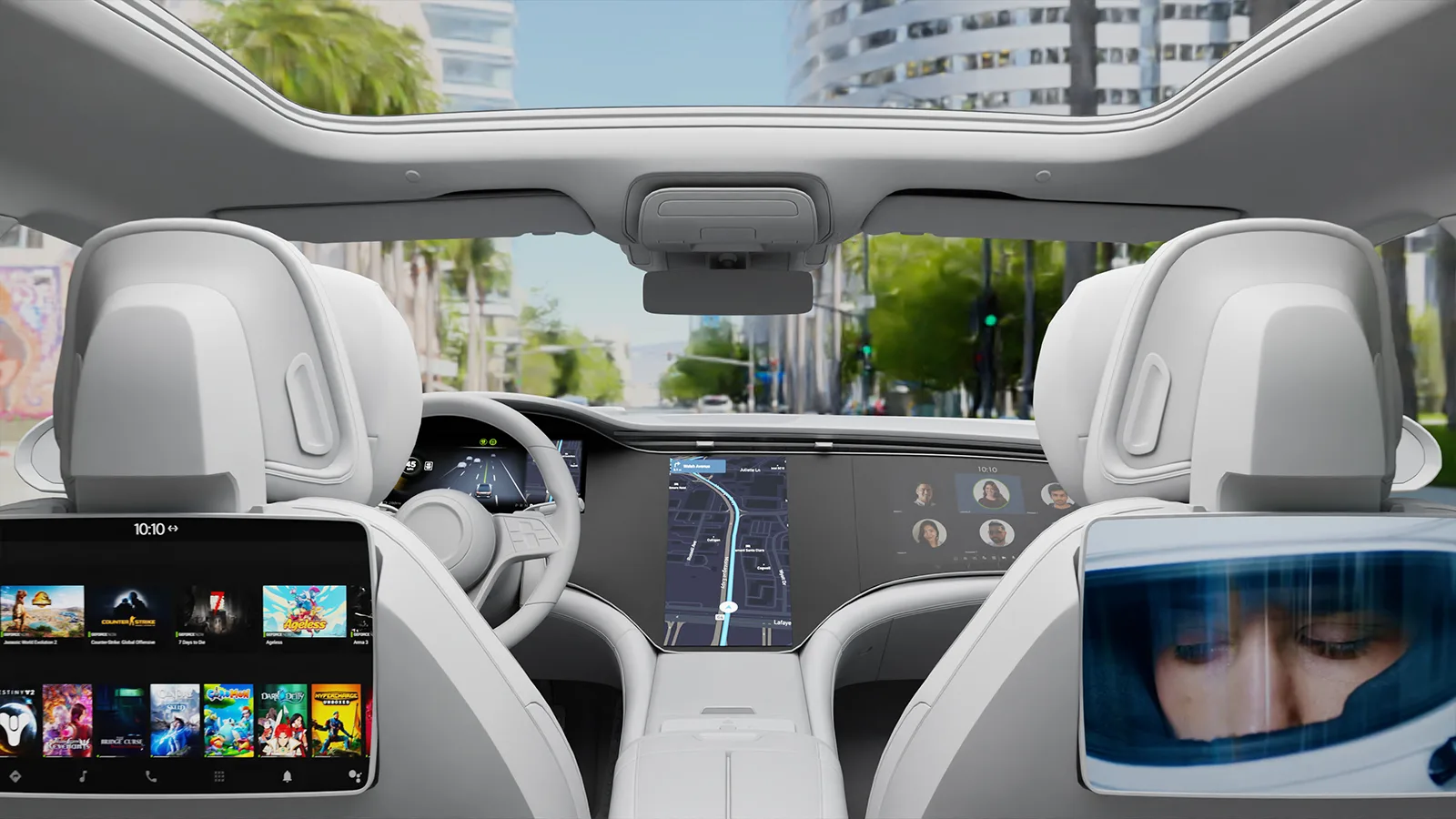
NVIDIA, the company famous for powering video game graphics cards and AI supercomputers, just announced TensorRT Edge-LLM. This is a speedy software engine (written in a programming language called C++) that squeezes huge AI models onto tiny "edge" devices – think the small computer chip inside a robot's arm or a car's dashboard. No more cloud dependency. Their Jetson platform (like a mini supercomputer on a chip) makes it all work in real-time: the AI can "see" with cameras (multimodal interaction), plan paths (trajectory planning), and reason like a human, all while sipping power like a phone charger instead of guzzling electricity.
The source highlights how physical AI – machines that act in the real world, like humanoid robots or next-gen software-defined autonomous vehicles (AVs) – is exploding. Partners like Bosch, ThunderSoft, and MediaTek are already using it for in-car AI helpers, chatty robot assistants, and cabin monitors that watch for drowsy drivers. NVIDIA's GTC conference (March 16-19, 2026, in San Jose) will dive deeper, with talks from experts at Disney Research, Stanford, and the U.S. Department of Energy.
In simple terms: It's like upgrading from a clunky walkie-talkie to a smartwatch that thinks for itself. The challenge used to be just running AI; now it's making it fast, smart, and power-thrifty for the real world.
Why should you care?
This isn't just techie stuff for factories – it's about machines that safely join your daily life. Self-driving cars could become trustworthy sooner, zipping you around without human error (no more road rage). Robots might vacuum your floors smarter, deliver packages without getting stuck, or even help with chores like folding laundry. For regular folks, it means fewer accidents on roads packed with AVs, cheaper robot helpers over time (no cloud fees), and AI that's always on – even in your garage or basement with spotty Wi-Fi.
Think about traffic jams: If cars "talk" to each other via edge AI, they could flow smoother, saving you gas and time. Or delivery drones/robots that don't crash because they think instantly. It's a step toward a world where AI feels natural and reliable, not glitchy or distant.
What changes for you
Practically speaking, you won't notice this overnight – it's for developers building the next wave of gadgets. But here's the ripple effect:
- Safer rides: Cars with in-car AI assistants (like chatty Siri on steroids) that monitor the cabin for kids left behind or sleepy drivers. Bosch and others are deploying this now.
- Home and work helpers: Humanoid robots or smart devices running local AI for tasks like sorting recycling or assisting elderly folks – all without phoning home to the cloud.
- No more "AI lag": Devices like security cameras or warehouse bots (which deliver your Amazon orders) react in milliseconds, cutting errors and speeding things up.
- Cost and access: Edge AI on NVIDIA Jetson (even the affordable Orin Nano Super 8GB for beginners) means cheaper prototypes, so robot vacuums or personal assistants drop in price faster.
- Everyday wins: Smoother autonomous taxis (think Waymo or Tesla), energy-efficient smart homes, and industrial robots that make goods (like your phone parts) safer and quicker to produce.
Start seeing this in 1-2 years: NVIDIA's tools speed up developers, so products hit shelves sooner. If you're into tinkering, grab a Jetson board to play with small AI models at home.
Frequently Asked Questions
### What is "edge AI" and why does it matter for robots and cars?
Edge AI means running smart AI directly on the device itself (like a car's computer), not sending data to far-away servers. It's crucial for robots and self-driving cars because they need split-second decisions – like swerving around potholes – without internet delays. For you, it means more reliable tech that works offline, safer roads, and robots that don't freeze up.
### Is NVIDIA's TensorRT Edge-LLM free to use?
Yes, it's part of NVIDIA's developer tools, available now for free download on their site. You need NVIDIA hardware like Jetson boards (starting cheap for hobbyists) to run it best. Companies like Bosch are using it commercially, so expect it in products you buy soon.
### How is this different from cloud AI like ChatGPT?
Cloud AI (e.g., ChatGPT) needs constant internet and is slow for real-time action, like a robot grabbing a cup. Edge AI is local, fast, and private – no data leaves your device. This makes it perfect for physical stuff like driving or walking robots, unlike chatbots that just talk.
### When will I see self-driving cars or home robots using this?
Prototypes are already out (e.g., Jetson-powered robotics), with partners building car AI now. Full consumer rollout? 1-3 years for advanced AVs and basic home robots. NVIDIA's 2026 GTC conference will show progress from big names like Disney and Stanford.
### Does this make AI safer for everyday use?
Absolutely – real-time reasoning and low-power design mean fewer mistakes in critical moments, like a car braking instantly. It's optimized for safety-critical apps, with industry leaders like Qualcomm and Arm echoing the push for "physical AI" that acts reliably in the real world.
The bottom line
NVIDIA's TensorRT Edge-LLM is flipping the script on physical AI, cramming big-brain smarts into tiny, power-sipping chips for self-driving cars and robots that think and move on their own. You won't buy this software directly, but it'll make your future rides safer, deliveries faster, and home helpers smarter – all without relying on spotty internet. Keep an eye on AV taxis and robot butlers; this tech accelerates their arrival, promising a world where machines handle the grunt work so you don't have to. Exciting times ahead – safer streets and helpful bots could change your routine sooner than you think.
Sources
- NVIDIA Developer Blog: Build Next-Gen Physical AI with Edge-First LLMs for Autonomous Vehicles and Robotics
- NVIDIA Technical Blog: Getting Started with Edge AI on NVIDIA Jetson
- NVIDIA GTC AI Conference
- Edge AI and Vision Alliance: Getting Started with Edge AI on NVIDIA Jetson
(Word count: 842)