
The short version
Grammarly, the popular writing app owned by Superhuman, has disabled its "Expert Review" AI feature that cloned real experts—like journalists and professors—without their permission to give writing advice. The tool pretended suggestions came from these people's knowledge, sparking outrage over unauthorized use of identities, even for deceased experts. Now, the company is apologizing, shutting it down temporarily, and promising a redesign where experts can choose to participate or opt out completely—setting a potential new standard for AI ethics in everyday tools you use.
What happened
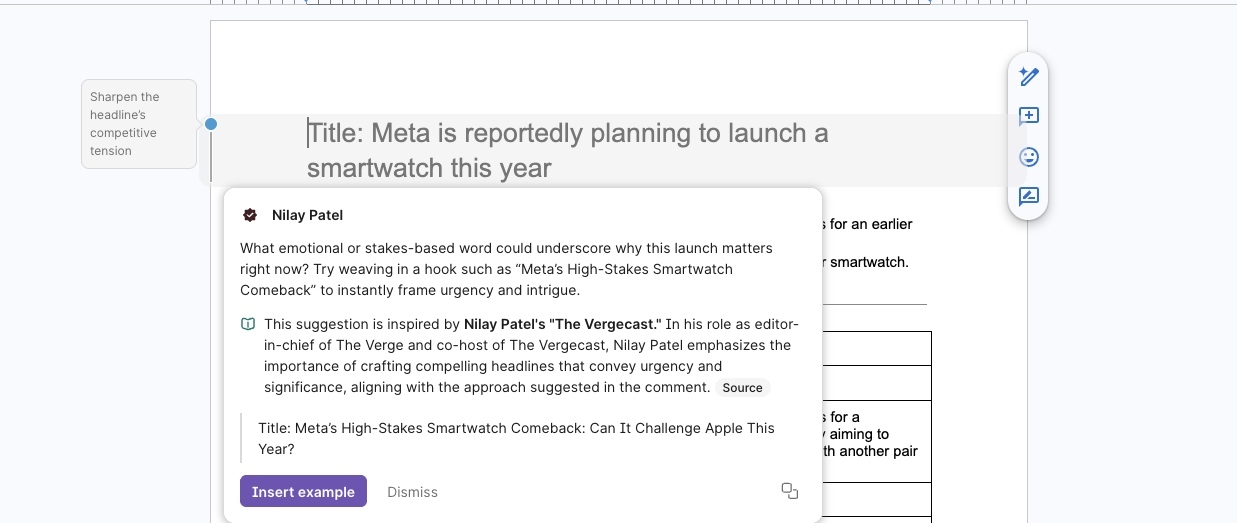
Imagine you're writing an email in Grammarly, and it pops up with advice like, "This edit is inspired by The Verge's editor-in-chief." Sounds helpful, right? But here's the catch: Grammarly's owner, Superhuman, built an AI feature called "Expert Review" that basically created digital clones of real experts—writers, professors, and thought leaders—using their publicly available work. Without asking them first, it slapped their names on AI-generated suggestions to make the tips feel more trustworthy.
This blew up when people like The Verge staff discovered their names being used without consent. Critics pointed out it even cloned dead academics, which felt creepy and wrong. Superhuman first tried a half-measure: an email opt-out (expertoptout@superhuman.com). But backlash grew—articles called it "impersonation" and "against their will." So, on March 11, 2026, Superhuman's product director Ailian Gan and CEO Shishir Mehrotra announced they're fully disabling the feature. In a statement to The Verge and a LinkedIn post, they admitted, "We clearly missed the mark. We are sorry and will do things differently." They're "reimagining" it to let experts decide if they want in, aiming to bring AI insights into your workflow ethically.
Think of it like this: It's as if a recipe app started saying, "This dish is just like Gordon Ramsay would make," by scraping his old TV clips without permission. Experts felt violated, users felt tricked, and now the company is hitting pause to fix it.
Why should you care?
You probably use Grammarly (or similar tools) daily—for emails, reports, or social posts—to polish your words without sounding like a robot. This matters because it exposes how AI in these apps can borrow real people's brains (or reputations) behind the scenes, making suggestions seem smarter than they are. If companies clone experts without permission, it erodes trust: Is that advice truly from a pro, or just AI faking it? For you, it means questioning the "magic" in your writing helper—will it mislead you into bad habits? Plus, as AI spreads into email, docs, and chats, this pushes for rules that protect everyone, not just tech insiders. A win here could make your tools more honest and less sneaky.
What changes for you
Right now, nothing breaks—Grammarly still checks spelling, grammar, and style as usual. The Expert Review feature is off, so you won't see those "inspired by [expert]" pop-ups anymore. When it returns (no date yet), it'll likely require experts' okay, meaning fewer name-drops and more transparent AI. You might get similar helpful tips, but without the fake expert endorsement.
Practically:
- Your writing flow stays smooth: Core Grammarly features aren't touched.
- More control for pros, indirectly for you: Experts opting in could mean higher-quality, consented advice.
- Opt-out if worried: Email expertoptout@superhuman.com if you're an expert (or think you were used).
- Broader ripple: This pressures other apps (like email clients or note-takers) to ask permission before cloning voices, so your data and the experts' aren't exploited casually.
No price hikes or app overhauls—it's a quick fix to rebuild trust.
Frequently Asked Questions
### What was Grammarly's Expert Review feature, exactly?
It was an AI add-on in Grammarly that analyzed your writing and suggested improvements "inspired by" specific real-world experts, like journalists from The Verge or professors. The AI mimicked their style from public writings, but without their go-ahead, making it feel like unauthorized cloning. Now it's disabled while they redesign it ethically.
### Is my Grammarly still safe and useful without this feature?
Yes—Grammarly's main tools for grammar, clarity, and tone are unchanged and working fine. You'll just miss the expert-name badges on some suggestions, but the core help is still there to make your writing sharper without drama.
### Can I opt out or stop this from happening?
If you're a writer or expert who might've been cloned, email expertoptout@superhuman.com—they're honoring those now. For regular users, no action needed; the feature's paused. Future versions promise expert choice, so it shouldn't repeat.
### Why did Superhuman do this in the first place?
They wanted to supercharge AI by tapping "thought leaders" to give users pro-level tips right in their email or docs—like having a personal editor on speed dial. But skipping permission backfired, and feedback showed it felt invasive, even for dead experts.
### Will this make AI writing tools worse or better for everyday people?
Likely better long-term: Honest AI without fake celeb endorsements builds trust, and consented expert input could mean smarter suggestions. It might slow wild AI experiments, but your apps will feel more reliable, not like they're secretly borrowing strangers' brains.
The bottom line
Grammarly's misstep with unauthorized AI expert cloning is a wake-up call for consumer AI: borrowing real people's identities without asking isn't okay, even to make tools "smarter." By disabling the feature and promising opt-in control, Superhuman is owning the mistake, which could lead to fairer AI in apps you love. For you, it means the same helpful writing boost without the ethical ick—watch for the redesigned version, and root for more companies to follow suit so your tech feels empowering, not creepy. This story shows user (and expert) pushback works, protecting us all from AI overreach.
Sources
- The Verge: Grammarly says it will stop using AI to clone experts without permission
- The Verge: Grammarly will keep using authors’ identities without permission unless they opt out
- Platformer: Grammarly turned me into an AI editor against my will and I hate it
- Futurism: Grammarly Is Pulling Down Its Explosively Controversial Feature
- SFist: Grammarly’s New AI Tools Use Experts’ Identities Without Their Permission
- Technology.org: Grammarly Built AI Clones of Real Professors — Some Are Already Dead