
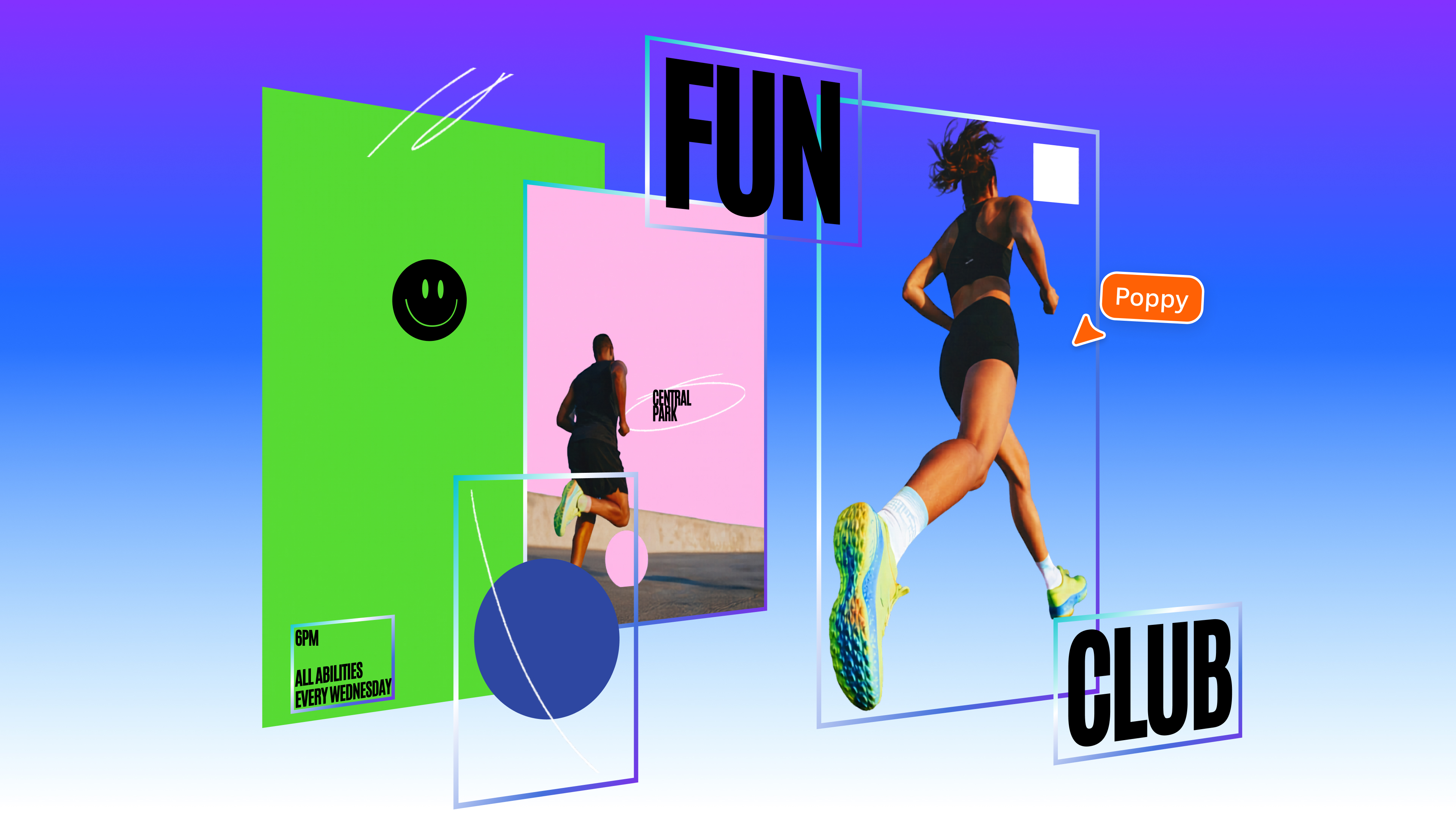
Canva Launches Magic Layers Beta to Make AI Images Editable
Key Facts
- What: Canva introduced Magic Layers, an AI-powered tool that converts flat images and AI-generated visuals into layered, fully editable designs
- When: Public beta launches today in the US, UK, Canada, and Australia
- How it works: Users upload a static image; AI analyzes it in under a minute and separates elements like objects, text, and graphics while preserving original layout
- Company statement: Canva cites a breakthrough from its AI research team enabling the feature
- Additional development: Canva launched its own foundational model trained on design elements to generate editable designs natively
Lead paragraph
Canva on Thursday released Magic Layers in public beta, a new AI feature that transforms flat, static images — including those created by generative AI — into layered, editable designs within its platform. The tool lets users select and modify individual components such as objects, text boxes, and graphics without starting from scratch or losing the original composition. Available initially in the United States, United Kingdom, Canada, and Australia, Magic Layers directly addresses one of the biggest limitations of current AI image generators: their lack of editability.
Body
Generative AI tools have flooded the market with high-quality visual content, but most outputs remain single-layer raster images that are difficult to edit. Designers often must recreate elements manually in tools like Photoshop or Canva itself, defeating much of the promised efficiency of AI. Magic Layers aims to solve this pain point by automatically detecting and separating design elements.
According to Canva's chief product officer, Cameron Adams, the feature stems from a breakthrough by the company's internal AI research team. "After a breakthrough from our AI research team, we're introducing Magic Layers so anyone can take a flat image and turn it into a fully editable design inside Canva," Adams said in the official announcement. "There's no need to start over, or to figure out..."
The process is straightforward: users upload any image or AI-generated output into Canva. The AI analyzes the file, typically completing the task in less than a minute, and converts it into a standard Canva project with individual layers. Once converted, designers can move, resize, recolor, delete, or replace elements independently while the overall layout stays intact.
Canva is also introducing its own foundational model, trained specifically on its vast library of design elements. Unlike general-purpose image generators that output flat pixels, this model is designed to produce designs with editable layers and objects from the start. This represents a significant step in Canva's strategy to build proprietary AI capabilities rather than relying solely on third-party models.
The beta availability is currently limited to four English-speaking markets, likely to gather user feedback before a wider global rollout. Early reports from The Verge, CNET, Digital Trends, and TechCrunch describe the feature as a potential game-changer for non-designers and professional creators alike who want to iterate quickly on AI-generated concepts.
Impact
For millions of Canva's users — particularly small businesses, marketers, educators, and social media creators — Magic Layers lowers the barrier between AI inspiration and finished, professional-looking designs. Instead of accepting an AI image as a final product, users can now treat it as a starting template that retains the flexibility traditionally associated with vector-based or layered design files.
This development comes as competition intensifies in the AI-powered design space. Adobe has integrated Firefly across its Creative Cloud suite with more advanced editing controls, while newer players continue pushing generative tools. Canva's approach stands out by focusing on seamless integration within its easy-to-use platform and emphasizing editability as a core feature.
The introduction of a proprietary foundational model also signals Canva's growing investment in AI infrastructure. By training on its own design assets, the company can potentially reduce reliance on external providers and create more consistent, brand-safe outputs that align with Canva's design philosophy.
What's next
Canva has not yet announced an exact timeline for exiting beta or expanding availability beyond the initial four countries. Industry observers expect the feature to roll out more broadly in the coming months as the company refines performance based on beta user data.
The company also hinted at additional AI features coming to the platform, though specifics were not disclosed in the initial announcement. As Canva continues developing its in-house models, future updates may include more sophisticated understanding of design intent, automatic layout suggestions, or enhanced collaboration features for teams working with AI-generated assets.
For developers and enterprise users, the move toward native, editable AI outputs could influence how brands integrate generative AI into their creative workflows. Companies that have hesitated to adopt AI imagery due to post-production overhead may find Canva's Magic Layers approach more practical for real-world marketing and design needs.
The feature arrives at a time when the AI industry is increasingly focused on moving beyond impressive but inflexible demos toward tools that deliver measurable productivity gains. By solving the "beautiful but uneditable" problem that has frustrated many users of tools like Midjourney, DALL-E, and Stable Diffusion, Canva is positioning itself as a bridge between raw generative power and practical design execution.