
The short version
Oracle is pushing back against news stories claiming big problems with its massive AI data center project in Texas called Stargate, insisting that its huge 4.5 gigawatt (that's like the power for millions of homes) deal with OpenAI is still full steam ahead. While a specific expansion at one Texas site got shelved due to money talks and shifting plans, two buildings are already running, more are building, and OpenAI's overall computing power needs are being met elsewhere—like near Detroit. For you, this means AI tools like ChatGPT should keep getting faster and smarter without major delays, as the core partnership holds strong.
What happened
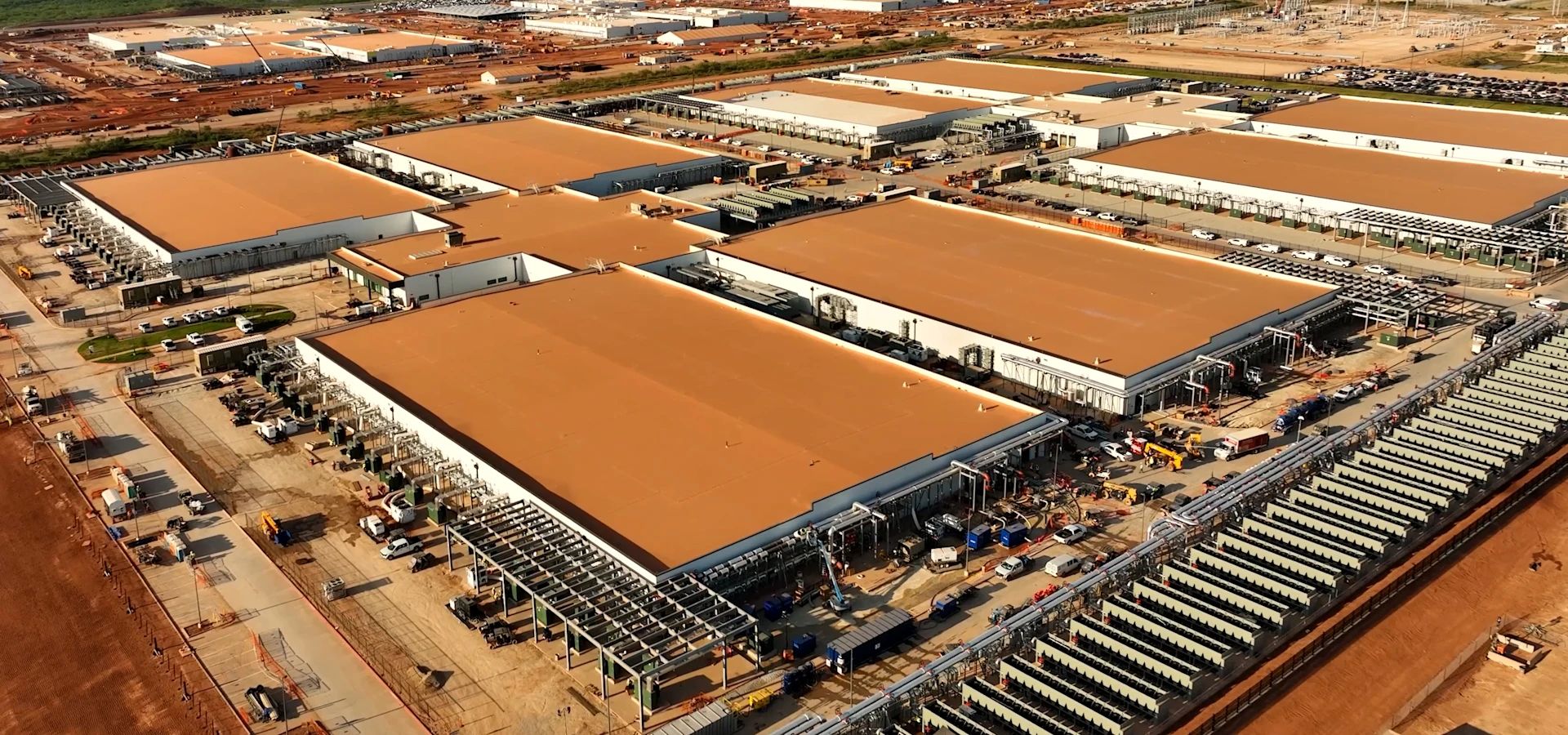
Imagine you're building a giant warehouse to store and power thousands of supercomputers that run AI like ChatGPT. That's the Stargate project—a huge data center campus in Abilene, Texas, spread over 1,000 acres with eight buildings. Oracle (a big cloud computing company) teamed up with developer Crusoe to build it, and it's part of a July deal to give OpenAI up to 4.5 gigawatts of power—enough electricity to light up a small city and train the next generation of super-smart AI.
Last week, news outlets like Bloomberg and Reuters reported drama: Oracle and OpenAI supposedly canceled plans to add an extra 600 megawatts (think a big power boost) right next to the main site because financing talks dragged on and OpenAI's needs changed. Some whispers even said Meta might snag that space, with Nvidia chips involved instead of rivals. It painted a picture of the project stalling, which could slow down AI progress.
But Oracle fired back fast on X (formerly Twitter), calling those reports "false and incorrect." They said everything's on track: two buildings are fully operational and crunching AI workloads right now, the rest of the campus is progressing at "record-breaking pace," and they've locked in leases for the full 4.5GW across multiple U.S. spots. Bloomberg's reporter even corrected their story, confirming the specific Texas expansion lease is off, but the broader OpenAI deal—including new sites—is rolling forward. No full cancellation, just a pivot.
Think of it like planning a family road trip: You skip one scenic stop because of traffic or hotel issues, but the whole vacation to the beach is still happening, maybe with a detour to a cool waterfall instead.
Why should you care?
AI isn't some sci-fi gadget—it's already in your daily life, powering things like ChatGPT for homework help, image generators for fun edits, or voice assistants that sound more human. These tools need massive "computer muscle" (called data centers) to learn from billions of data points and respond super fast. If projects like Stargate flop, AI could slow down, get more expensive, or lag behind—like waiting forever for your phone's map app during rush hour.
The good news? This hiccup doesn't derail OpenAI's plans. With 4.5GW secured, they can keep building AIs that write emails, diagnose health tips, or create videos. For everyday folks, that means smarter apps in your pocket, cheaper AI features over time (as efficiency improves), and innovations like better personalized shopping or job-hunting tools. But if power shortages hit (data centers guzzle electricity like factories), your power bills could rise indirectly, or AI growth might stall in your region.
What changes for you
Practically speaking, not much right now—your ChatGPT chats won't suddenly glitch tomorrow. OpenAI's current services run on existing setups, and this Texas tweak just shifts some expansion elsewhere, keeping their total computing power on schedule.
Longer-term, expect:
- Faster, smarter AI: More data center power means quicker responses and better accuracy in tools you use daily, like summarizing news or generating recipes.
- No big price hikes: With the deal intact, OpenAI avoids scrambling for alternatives, which could have jacked up costs passed to users (e.g., premium subscriptions).
- Reliable apps: Two Texas buildings are live, so AI "training" (teaching the AI) continues smoothly, leading to updates like improved voice modes or creative tools.
- Broader ripple effects: Other companies like Meta might grab spare space, speeding up their AI too—think better Instagram filters or Facebook recommendations.
If you're a small business owner using AI for marketing or a student relying on it for essays, this stability means fewer disruptions. Home users? Your free AI apps stay free and functional, evolving without the "under construction" vibe.
Frequently Asked Questions
### What's a data center, and why do AI companies need so many?
A data center is like a giant server farm—a building packed with computers that store data and run heavy calculations. AI needs them because training models like ChatGPT is like teaching a kid every fact in a library at once; it requires enormous power and speed. Without enough, AI gets slow or can't handle your queries.
### Is the entire Stargate project canceled?
No, just a planned power boost (600MW expansion) at one Texas spot got dropped due to financing snags and plan shifts. The main Abilene site has two operational buildings, more under construction, and Oracle's full 4.5GW OpenAI commitment is on track across other locations.
### Does this mean ChatGPT or other OpenAI tools will slow down?
Unlikely in the short term. Two buildings are running now, and the bigger deal ensures plenty of computing power elsewhere. OpenAI's services should keep improving as planned, without major hitches.
### Who else is involved, and what about Meta or Nvidia?
Crusoe built the Texas site; Oracle runs it for OpenAI. Reports hinted Meta might take the nixed expansion space, possibly with Nvidia chips (top AI hardware). It shows big tech shuffling resources, but doesn't directly affect you.
### When will we see the impact on AI tools?
Progress is "record-breaking," with leases done and new sites like near Detroit in play. Expect ongoing AI upgrades in months, not years—faster chats, better images—keeping pace with rivals like Google.
The bottom line
Don't sweat the headlines—Oracle and OpenAI's powerhouse data center partnership is solid despite a minor Texas expansion pivot, ensuring the AI brains behind your favorite tools keep growing. For regular people, this means reliable access to smarter, faster AI in apps, work, and play, without surprise costs or slowdowns. It's a win for tech stability in a world hungry for AI power; keep using those tools confidently while the big builds hum along.