
MacBook Neo: Apple's $599 Entry-Level Laptop Challenges PC Market Amid AI-Driven Memory Crunch
CUPERTINO, Calif. — Apple on Wednesday unveiled the MacBook Neo, its most affordable MacBook ever priced at $599, built around the A18 Pro chip and designed to broaden access to Apple Silicon while navigating a tightening memory market strained by the AI boom.
The device, described by Apple as a "solid, reliable, and durable" laptop, marks a significant price reduction from previous entry-level MacBooks. It features a fanless design for silent operation, a 16-core Neural Engine for on-device Apple Intelligence features, and relies heavily on cloud-based software for demanding tasks. The launch comes as analysts warn that sub-$500 laptops could become extinct due to memory shortages driven by AI data centers, positioning Apple's move as both a market expansion strategy and a response to shifting component economics.
John Ternus, Apple's senior vice president of hardware engineering, told ABC News in an exclusive interview that the company "saw an opportunity here to really just reach a lot more people than we ever have before." He emphasized that the MacBook Neo maintains the quality expectations of a Mac despite its lower price point.
Technical Specifications and Design
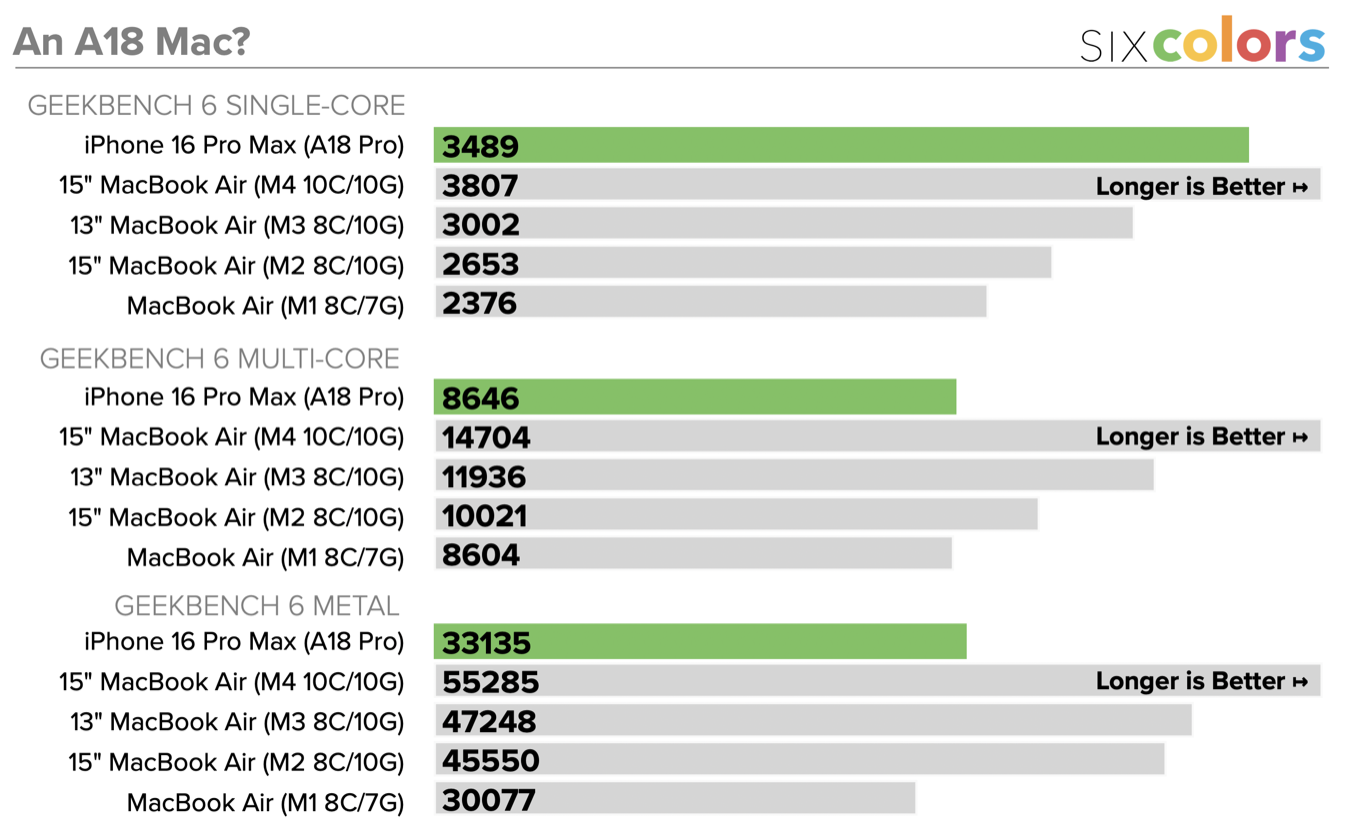
According to Apple's official newsroom announcement, the MacBook Neo is built around the A18 Pro chip, the same silicon powering recent high-end iPhones. This marks a departure from traditional MacBook entry-level models that previously used older or less powerful chips.
The device includes a 16-core Neural Engine that supports fast on-device Apple Intelligence features, such as summarizing notes in the Bear app or using the Clean Up tool in the Photos app. Apple stressed that these AI capabilities keep user data private and secure by processing them locally rather than in the cloud.
The MacBook Neo maintains a fanless design, ensuring completely silent operation — a hallmark of many Apple Silicon devices that leverage efficient ARM-based architecture for thermal management. While full specifications on display size, battery life, port selection, and memory configuration were not detailed in initial announcements, the focus remains on delivering core Mac experiences at an unprecedented price.
Ben Thompson's analysis on Stratechery highlights that the MacBook Neo "was built to be cheap; that it is still good is not only a testament to Apple Silicon, but also the fact that the most important software runs in the cloud." This observation underscores how modern cloud-dependent applications reduce the need for high-end local hardware for many users, allowing Apple to deliver a compelling experience at lower price points.
Strategic Context: AI, Memory Markets, and Pricing Pressure
The MacBook Neo launch coincides with significant shifts in the semiconductor supply chain. Multiple reports indicate that the explosive growth of AI data centers has created substantial pressure on memory chip and RAM supplies, driving up costs and threatening the viability of ultra-budget laptops.
Axios reported that Apple's announcement signals a "shifting laptop market" amid a "memory chip and RAM crisis, ignited by the AI boom," which is pushing smartphone and laptop developers to recalibrate their strategies. Similarly, TechSpot described the MacBook Neo as "a $500 Wake-Up Call for the Entire PC Industry," noting that analysts have been warning sub-$500 laptops could become extinct partly due to memory shortages driven by AI data centers.
Some ultra-budget Windows vendors have reportedly begun substituting traditional SSDs with lower-cost alternatives like eMMC storage and SD cards to maintain price points, according to industry discussions on Windows Forum.
Apple's decision to price the MacBook Neo at $599 appears to be a deliberate strategy to lower the barrier into its hardware ecosystem while capitalizing on the AI wave. Windows Forum analysis characterized the move as "a strategic two-pronged push: lower the price barrier into Apple’s hardware funnel while riding an AI tide that’s reshaping component markets and platform economics."
The report also noted Apple's decision to base parts of its "Apple Intelligence" features on Google’s Gemini models, suggesting a pragmatic approach to AI implementation that combines on-device capabilities with cloud partnerships.
Competitive Landscape and Industry Implications
The MacBook Neo enters a highly competitive budget laptop segment dominated by Windows machines from manufacturers like Dell, HP, Lenovo, and Acer. Traditionally, Apple's MacBooks have started at prices significantly higher than the broader PC market, often positioning them as premium devices.
By introducing a $599 model, Apple is directly challenging the lower end of the Windows laptop market, which has faced increasing pressure to maintain competitive pricing amid rising component costs. The fanless, silent operation and on-device AI capabilities could prove attractive to students, first-time laptop buyers, and users in education or small business segments who prioritize reliability and ecosystem integration over raw performance.
Thompson's Stratechery piece emphasizes that the device's success stems not just from Apple's chip design expertise but from the evolution of software architecture. With many productivity, communication, and creative applications now relying on cloud infrastructure, the local hardware requirements for a "good enough" computing experience have decreased, enabling Apple's aggressive pricing.
What This Means for Developers, Users, and the Industry
For users, the MacBook Neo represents the most accessible way yet to enter the Apple ecosystem, potentially exposing millions more consumers to macOS, Apple services, and the company's privacy-focused AI approach. The inclusion of Apple Intelligence features at this price point could accelerate adoption of on-device AI, differentiating Apple from competitors still wrestling with how to implement meaningful AI capabilities in budget hardware.
Developers targeting the Mac platform may see an expanded addressable market, particularly for applications that leverage the Neural Engine or integrate well with cloud services. However, the lower price point and A18 Pro chip may require optimization strategies different from those used for M-series MacBooks.
For the broader PC industry, Apple's move intensifies pressure on Windows OEMs already struggling with component cost inflation. If Apple can deliver a compelling experience at $599 using its vertically integrated silicon, it raises questions about the long-term viability of traditional PC pricing models in an AI-constrained supply environment.
The memory market dynamics highlighted by multiple reports suggest that component costs may continue rising, potentially forcing further consolidation or innovation in the PC space. Apple's ability to maintain quality at lower prices through efficient silicon design and software optimization could serve as a blueprint — or a warning — for competitors.
What's Next
Apple has not yet detailed full availability timelines beyond the initial announcement, though the product appears positioned for relatively rapid market rollout given the company's typical supply chain capabilities. Further technical specifications, including exact memory configurations, display details, and battery performance, are expected in the coming weeks as reviews and additional documentation emerge.
The broader implications for Apple's AI strategy remain under development, particularly regarding the integration of Google Gemini models with on-device Apple Intelligence features. How this hybrid approach performs in real-world scenarios will likely influence both consumer perception and competitive responses from Microsoft, Google, and other platform providers.
As the AI boom continues reshaping semiconductor economics, the MacBook Neo may represent the first of several moves by major manufacturers to adapt their product portfolios to new supply realities while expanding market reach.
Sources
- Say hello to MacBook Neo - Apple
- MacBook Neo, The (Not-So) Thin MacBook, Apple and Memory
- Exclusive: Apple executive details affordable new MacBook Neo, AI-integrated technology and more - ABC News
- Apple's $599 MacBook Neo: AI driven strategy and memory market dynamics | Windows Forum
- The MacBook Neo is a $500 Wake-Up Call for the Entire PC Industry | TechSpot
- Apple adds the MacBook Neo. Why laptop prices are in for a wild ride