
The Short Version
Apple just launched the MacBook Neo, their cheapest MacBook ever at $599, packed with a powerful A18 Pro chip and built-in AI smarts that run quietly without a fan. It's not ultra-thin like premium models, but it's tough, reliable, and great for everyday stuff like schoolwork or browsing—thanks to Apple's custom chips and cloud-based apps. This shakes up the laptop world amid an AI-driven memory crunch, potentially making quality computers more affordable for everyone while pressuring cheap Windows laptops to step up or fade away.
What Happened
Imagine Apple, the company known for sleek, pricey gadgets, deciding to make a MacBook that's actually budget-friendly—like the "people's MacBook." They unveiled the MacBook Neo on March 9, 2026 (based on the newsroom date), calling it a way to "reach a lot more people than we ever have before," as Apple's hardware chief John Ternus told ABC News. It's built around the A18 Pro chip—think of this as the brain of the laptop, borrowed from iPhones but supercharged for computer tasks. This chip includes a 16-core Neural Engine, which is basically a dedicated AI helper that handles smart features right on the device, like summarizing your messy notes in apps or cleaning up photos without sending your data to the cloud.
The Neo isn't the super-skinny MacBook Air; it's nicknamed the "(Not-So) Thin MacBook" because Apple prioritized affordability and durability over razor-thin design. It's completely fanless, meaning no noisy spinning fan inside—it runs silent, even during heavy use. That's possible because of Apple's Silicon chips, which are incredibly efficient (they sip power like a Prius compared to gas-guzzling rivals). The Stratechery article highlights how this laptop is "cheap" yet "still good," crediting not just the hardware but the fact that key software—like productivity tools or AI features—runs in the cloud. You don't need a beastly machine on your desk; the heavy lifting happens online.
This launch ties into bigger market drama. AI data centers are gobbling up memory chips (RAM and storage), causing shortages that jack up prices for laptops and phones. Analysts warn sub-$500 laptops might vanish, with some budget Windows brands already skimping by using slower storage like eMMC or even SD cards. Apple sidesteps this with smart design: the Neo uses less demanding memory needs thanks to on-device AI and cloud reliance, keeping costs down to $599. They even paired it with news of using Google's Gemini AI models for some "Apple Intelligence" features, blending their tech with outside help to boost smarts without breaking the bank.
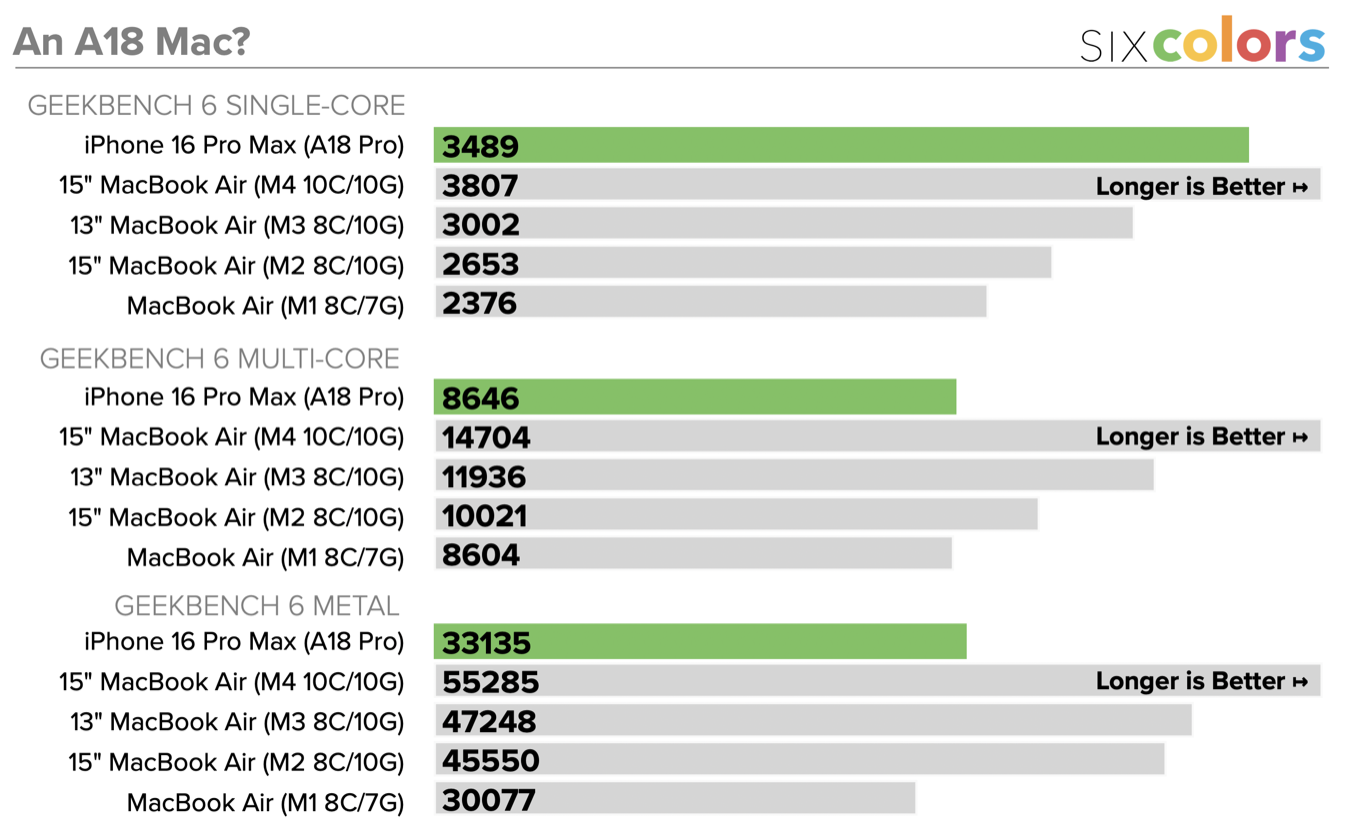
No exact benchmarks are out yet (it's too new), but the A18 Pro promises fast on-device AI for everyday tasks, ensuring your data stays private—no phoning home to servers. Ternus emphasized it's "solid, reliable, durable"—perfect for students or families who need a laptop that lasts without fuss.
Why Should You Care?
Laptops aren't getting cheaper; they're getting smarter and pricier due to AI hunger for memory chips. A $300 Chromebook might feel sluggish now, and budget Windows machines are cutting corners on storage to cope with shortages. The MacBook Neo flips this: at $599, it delivers Mac-quality performance—long battery life, smooth apps, built-in AI like note summaries or photo edits—without the $1,000+ price tag of a MacBook Air. For you, this means access to top-tier tools (like Apple's ecosystem of apps that "just work") at a price that rivals mid-range Windows laptops, but with better privacy and silence.
It matters personally because laptops shape your day: work calls, kids' homework, streaming movies. If you're eyeing a new one, the Neo could save you hundreds while future-proofing against AI trends—think smarter photo editing or quick summaries without lag. Broader ripple: this pressures the whole PC industry. TechSpot calls it a "$500 wake-up call," forcing competitors to innovate or watch Apple grab the mass market. Axios notes laptop prices are in for a "wild ride"—AI shortages might hike costs elsewhere, but Apple's move stabilizes affordable options.
What Changes for You
Practically, here's how the MacBook Neo reshapes your choices:
-
Pricing and Affordability: Starts at $599—cheaper than any prior MacBook. No more skipping Apple because of cost; it's now competitive with $500-700 Windows laptops from Dell or HP, but with premium build and AI perks. Expect bundles or education discounts to drop it lower for students.
-
Performance for Daily Life: The A18 Pro chip crushes everyday tasks—web browsing, Office apps, video calls—silently and efficiently. The 16-core Neural Engine powers Apple Intelligence features on-device: summarize notes in apps like Bear (turns bullet points into paragraphs), use Clean Up in Photos (magically removes photobombers), all private and fast. Cloud-reliant software (like web-based Google Docs or AI tools) means it punches above its weight—no need for high-end RAM.
-
Design and Reliability: Fanless and durable, it's ideal for quiet libraries, planes, or home offices. Not as thin as the Air, but tough enough for backpacks or family sharing. Long battery life (Apple's chips excel here) means less plugging in.
-
AI Integration: Built for the AI era—handles "everyday AI tasks" locally, with some Gemini boost. Your photos get smarter edits; notes auto-organize. Data stays on-device, unlike cloud-heavy rivals that risk privacy.
-
Market Shifts: Sub-$500 laptops? At risk of extinction per analysts, as AI eats memory supplies. Budget Windows might swap SSDs for slower eMMC/SD cards, making them feel cheap. Neo sets a bar: good laptops under $600 with AI. If you buy Windows, demand better specs; otherwise, switch to Apple for value.
Competitive context: Windows ultra-budgets are hurting—vendors substituting parts to cut costs. Apple's strategy lowers the "price barrier into Apple’s hardware funnel," per forums, while riding AI waves. It's a two-pronged push: cheap entry + AI smarts, reshaping who can afford premium computing.
No full specs dump yet (awaiting reviews), but confirmed: A18 Pro, 16-core Neural Engine, fanless, AI-ready. Stratechery ties it to memory dynamics—Apple optimizes around shortages, making Neos plentiful when others struggle.
The Bottom Line
The MacBook Neo is Apple's bold bet on affordable excellence in an AI-upended world: $599 gets you a silent, durable laptop with iPhone-level chip power, on-device AI for real-life wins like photo fixes or note summaries, and cloud smarts to keep it zippy without monster hardware. It dodges memory shortages hitting rivals, potentially saving you money on your next computer while delivering Mac magic to students, families, and budget shoppers. Why wait for sluggish $400 Windows clunkers? This could be the wake-up call making quality laptops accessible—check Apple's site, test one in-store, and upgrade without regret. Your daily grind just got smoother and cheaper.
(Word count: 1,128)
Sources
- Stratechery: MacBook Neo, The (Not-So) Thin MacBook, Apple and Memory
- Apple Newsroom: Say hello to MacBook Neo
- Windows Forum: Apple's $599 MacBook Neo: AI driven strategy and memory market dynamics
- TechSpot: The MacBook Neo is a $500 Wake-Up Call for the Entire PC Industry
- ABC News: Exclusive: Apple executive details affordable new MacBook Neo
- Axios: Apple adds the MacBook Neo. Why laptop prices are in for a wild ride