
The short version
Agentic AI is smart software from Rakuten that doesn't just answer questions—it acts on its own to get jobs done, like a digital version of yourself booking trips or handling customer service. Rakuten CEO Mickey Mikitani just announced this as the start of a new era, challenging every part of his company—from travel bookings to insurance—to build these AI helpers. For you, it means everyday tasks like reserving a golf game or shopping could soon happen automatically, saving you time and hassle.
What happened
Imagine you're too busy to book a hotel or call your insurance company. Instead of doing it yourself, you tell a smart helper on your phone, and it handles everything—checking options, making the reservation, even chatting with customer service if needed. That's what Rakuten CEO Mickey Mikitani is calling "agentic AI," and he says the age of it has officially arrived.
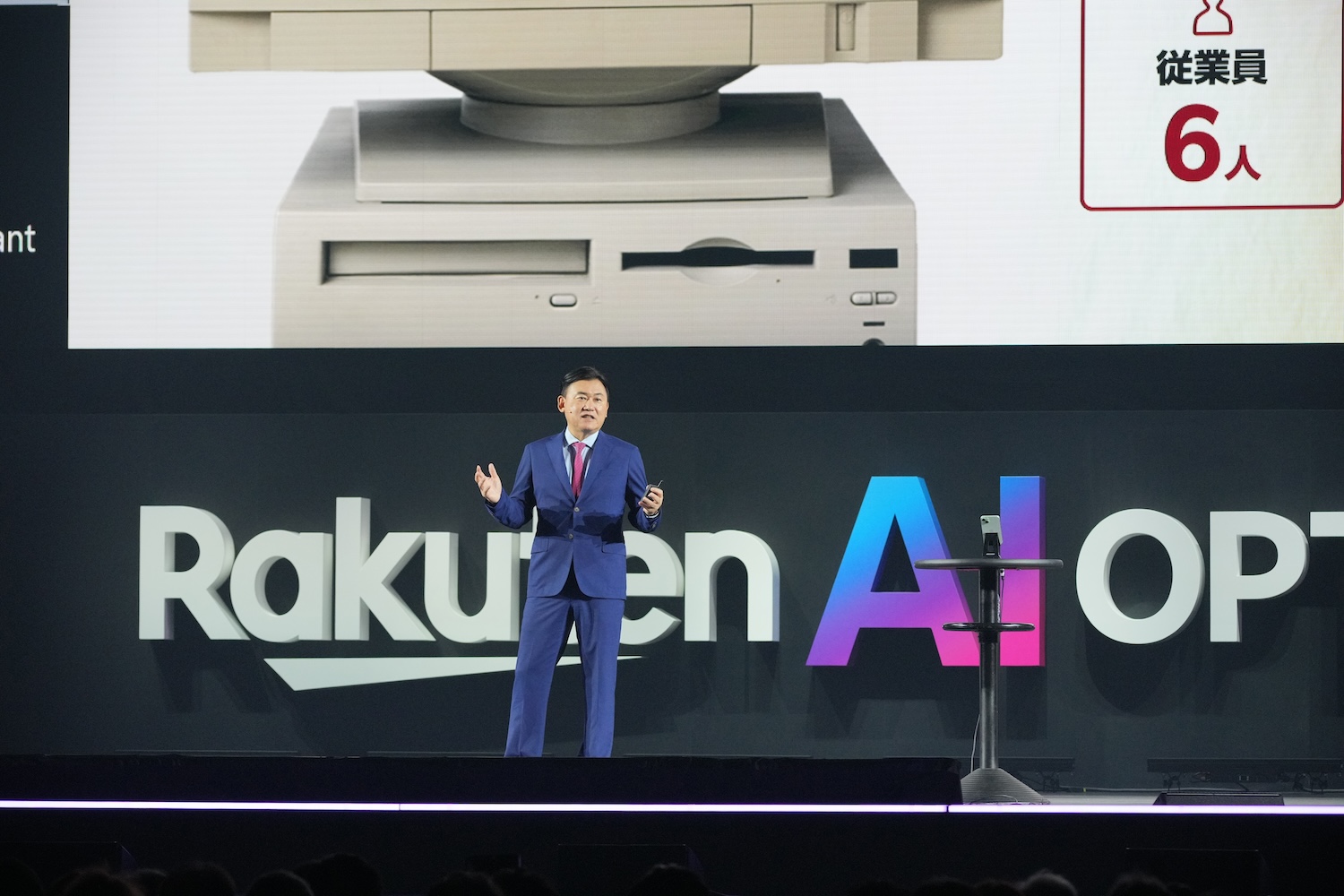
At a recent company event, Mikitani unveiled "Rakuten AI," which isn't just a fancy logo or chatbot. It's a push to create AI agents that think and act independently across Rakuten's huge ecosystem. Rakuten runs online shopping, travel bookings, golf reservations, insurance, and more, mostly in Japan but expanding globally. Mikitani is telling every business unit: "Build your own AI agents—now." These agents already promise to do in hours what takes human teams weeks, like managing customer service or operations.
Think of it like upgrading from a calculator (basic AI that just computes) to a personal assistant who not only plans your vacation but books the flights, hotel, and even tee times without you lifting a finger. Mikitani sees this as a "technological revolution" that empowers small businesses and helps regular people make quick choices, like picking the best deal on travel or insurance.
Why should you care?
Right now, AI like ChatGPT or Google Gemini chats with you and gives advice, but it stops there—you still have to do the work. Agentic AI changes that by taking action for you, which could make your daily life smoother and faster. If you shop online, book trips, or deal with insurance (who doesn't?), these AI agents could spot deals, handle paperwork, or fix issues before you even notice a problem.
For everyday folks, this matters because time is money. No more endless scrolling through sites or waiting on hold. Rakuten's move signals big companies are racing to make AI your behind-the-scenes helper, potentially making services cheaper (less human staff needed) and smarter (AI learns your preferences, like always booking window seats). It's not sci-fi—it's starting with real services you use.
What changes for you
Practically, if you're a Rakuten customer (they have a massive online mall like Amazon, plus travel and finance apps), you'll soon see AI buttons like "Let AI book my golf trip" or "Handle my insurance claim." It acts like a digital clone: tell it your budget and dates, and it searches, compares, books, and confirms—autonomously.
For non-customers, this sets a trend. Other companies will copy Rakuten, so expect similar agents in apps you already use, like Expedia for travel or your bank's app for bills. Your phone could become a task-doer, not just a task-list maker. Small businesses get a boost too—if you're a shop owner, an AI agent could run your customer service 24/7, letting you focus on what you love. Overall, less frustration, more free time, and services that feel personalized without the effort.
The catch? These agents need your okay to act, and you'll want to double-check big decisions like money transfers. But as they improve, they'll handle the boring stuff, leaving you to enjoy the results.
Frequently Asked Questions
### What exactly is "agentic AI," and how is it different from regular AI?
Agentic AI is like a super-smart butler that doesn't just give advice—it takes steps to finish the job, such as booking a flight or resolving a complaint on its own. Regular AI, like Siri or ChatGPT, chats and suggests but waits for you to act. Rakuten's version is built to work inside their apps, turning ideas into real results automatically.
### Is Rakuten AI free to use, and who can try it?
It's not fully detailed yet, but since Rakuten offers shopping and services through free apps, expect agentic AI features to roll out to users without extra cost, especially in Japan first. Global users might see it soon via their international sites. Check the Rakuten app for updates—no confirmation on premium tiers yet.
### When will I be able to use these AI agents in my daily life?
Rakuten is launching full-scale in 2025, starting with their ecosystem like travel, golf, and insurance. Mikitani is pushing fast rollout, so early versions could appear in months for customers. It's not confirmed for everyone yet, but expect pilots soon.
### Will agentic AI replace human customer service jobs?
It could handle routine tasks like bookings or simple queries, doing weeks of work in hours, which might reduce some jobs. But Mikitani frames it as a growth engine, helping small businesses and creating new roles in AI management. Humans will likely oversee big or tricky stuff.
### Is this safe? Can I trust AI to act for me?
Rakuten emphasizes co-creation, so agents will need your permission and show what they're doing. Like any app, review settings and start with small tasks. No major risks mentioned yet, but it's smart to verify important actions yourself.
The bottom line
Rakuten CEO Mickey Mikitani's announcement marks agentic AI as the next big shift: AI that acts like your personal digital twin, tackling chores from travel bookings to insurance so you don't have to. For regular people, this means less hassle in online shopping and services—imagine your errands done while you relax. It's starting at Rakuten but will spread, making tech feel like a helpful friend, not a tool you wrestle with. Keep an eye on apps; your time-saving sidekick is arriving.