
The short version
Google researchers have announced a new "compression technique" that makes AI models more efficient by reducing the amount of memory they need to run. While this news caused a temporary dip in the stock prices of memory chip manufacturers, experts suggest it is likely a minor hurdle rather than a long-term problem for the tech industry. For you, this shift suggests that future AI tools may become faster, cheaper, and more capable of running directly on your devices.
What happened
Imagine you have a massive library of books, but you only have a small bookshelf to store them on. To keep everything, you might try to shrink the books down to half their size without losing any of the words inside.
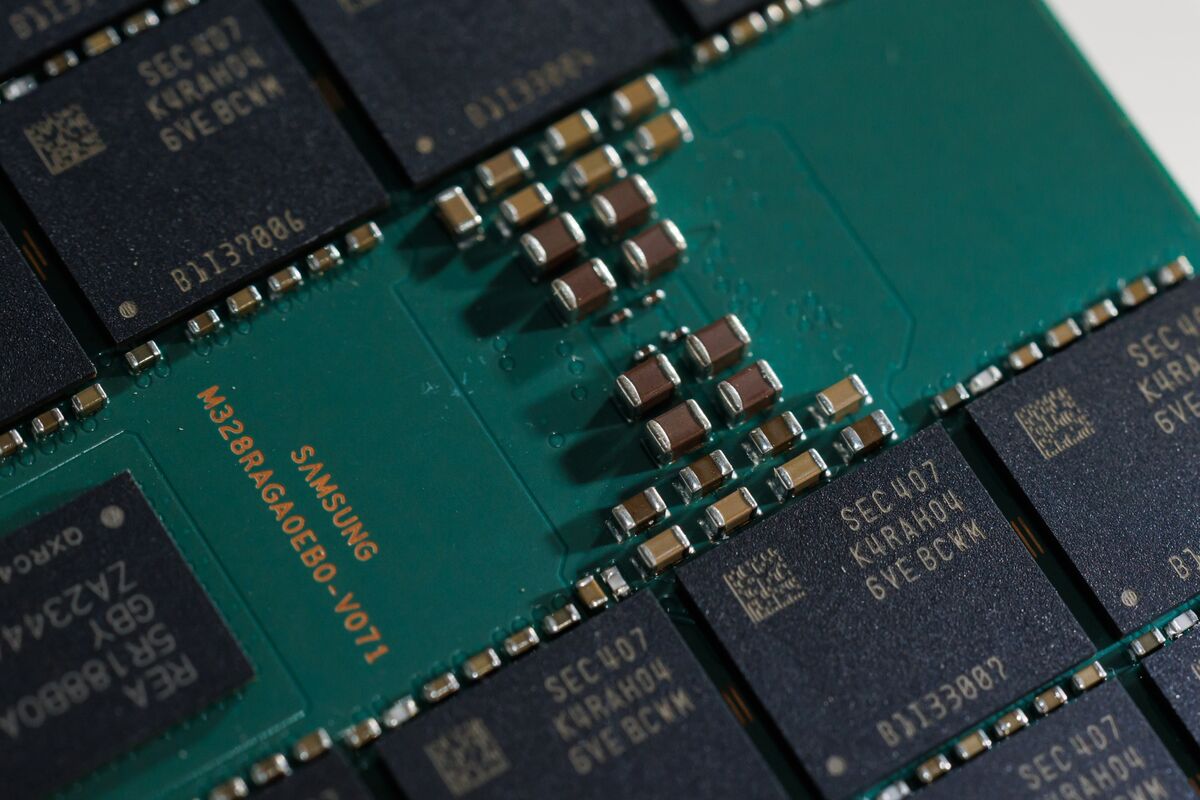
Google researchers have essentially developed a way to "shrink" the data that AI uses to think and learn. By using this new compression technique, AI programs don't need to hog as much digital "memory" (the space where computers keep information they are actively using). When the news hit that Google found a way to make AI less reliant on massive amounts of traditional memory chips, investors got nervous. They sold off stocks in companies that manufacture these chips—like SK Hynix, Kioxia, and Micron—fearing that if AI needs less memory, companies won't buy as many chips.
Why should you care?
On a personal level, this is great news. AI currently requires enormous, expensive data centers filled with power-hungry chips just to answer simple questions or generate images. If Google’s new technique becomes the industry standard, it means:
- Faster responses: AI tools won't need to "think" as long because they are juggling less data.
- Lower costs: If the technology requires less hardware to run, the companies building these tools may eventually lower their subscription prices or offer more free features.
- Better privacy: If AI can be compressed enough to run efficiently on your own phone or laptop rather than in a distant cloud server, your personal data stays on your device instead of being sent to a company's data center.
What changes for you
In the short term, you likely won't see an "update" button or a sudden change in the apps you use today. This is a behind-the-scenes engineering breakthrough. However, keep an eye on how quickly your AI chatbots start responding. Over the next year, if you notice your phone’s AI features (like real-time translation or writing assistance) feel snappier and less draining on your battery, you can thank these types of efficiency breakthroughs.
Frequently Asked Questions
Does this mean my phone will get better AI?
Yes, it is possible. By making AI "smaller," it becomes much easier for manufacturers to pack advanced AI features directly into your smartphone or tablet, making them faster and more reliable even when you don't have an internet connection.
Should I worry about my investments in chip companies?
This is a complex market question. While stock prices dropped following the announcement, many analysts believe this is just a "hiccup." AI is still growing rapidly, and the demand for high-performance hardware remains massive, so this single technique is not considered an "existential threat" to those companies.
When will I see this change in real life?
Technology like this usually takes time to move from research labs into the apps you use every day. You likely won't see a "Google Compression" badge on your apps, but rather a gradual improvement in speed and quality over the next 12 to 24 months.
The bottom line
Google’s latest experiment is a reminder that the AI "gold rush" isn't just about building bigger, hungrier machines—it’s also about building smarter, more efficient ones. While it caused a brief stir on Wall Street, for the average person, it’s a positive sign that AI is becoming more refined and potentially more accessible. The era of bulky, expensive AI is slowly being replaced by tools that can do more with less, which is a win for both your digital experience and your wallet.