
Rakuten AI vs The AI Giants: Which Should You Choose?
Rakuten AI is best for users deeply integrated into the Japanese digital economy and the Rakuten ecosystem, while global competitors remain the primary choice for general-purpose reasoning and cross-platform flexibility outside of Japan.
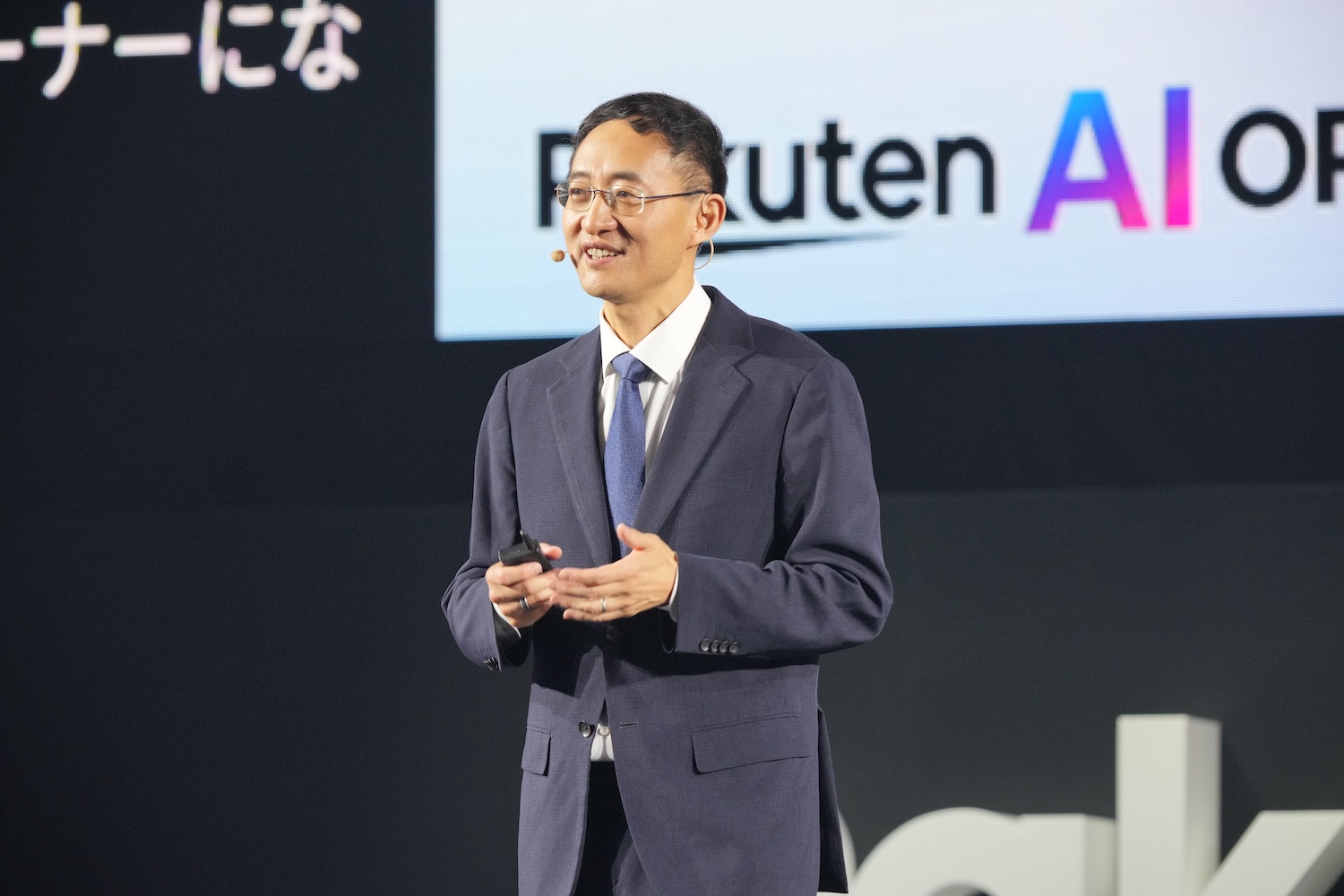
At the 2025 Rakuten AI Optimism conference, Rakuten Group unveiled the full-scale launch of Rakuten AI, a significant evolution of its artificial intelligence strategy. Moving away from standard reactive chatbots, Rakuten is positioning its new model as an "agentic" platform—one designed to understand intent and take autonomous actions across its vast ecosystem of shopping, fintech, travel, and mobile services. This announcement marks a shift from "human browsing" to "agent browsing," where the AI performs tasks on behalf of the user rather than simply answering questions.
Feature Comparison Table
| Model | Context Window | Price (Input/Output) | Standout Capability | Best For |
|---|---|---|---|---|
| Rakuten AI | Not specified (Check latest specs) | Free (for Mobile users/Beta) | Deep Japanese cultural/local context & ecosystem actions | Japanese residents & Rakuten power users |
| Claude (Anthropic) | Check latest official specs | Check latest official pricing | Advanced reasoning & coding artifacts | General productivity & complex logic |
| Gemini (Google) | Check latest official specs | Check latest official pricing | Multi-modal ecosystem (Google Workspace) | Research & high-volume data analysis |
| ChatGPT (OpenAI) | Check latest official specs | Check latest official pricing | Generalist performance & voice interaction | Mainstream consumers & simple automation |
Detailed Analysis
The Shift to "Agentic" AI
The hallmark of the new Rakuten AI is the transition from reactive to proactive capabilities. While many current AI models are designed to find facts or summarize text, Rakuten AI is built to "act." According to Ting Cai, Rakuten’s Chief Data & AI Officer, the platform focuses on three major shifts:
- From Chat to Task: Executing specific objectives (e.g., booking a hotel) rather than just talking about them.
- From Research to Action: Moving beyond gathering information to completing the final transaction.
- From Human Browsing to Agent Browsing: Allowing the AI to navigate web interfaces and services on the user's behalf.
Localized Intelligence and Cultural Context
Unlike global models that may struggle with the nuances of Japanese honorifics, local consumer behavior, or regional specificities, Rakuten AI is trained on "trillions of interactions" within the Rakuten ecosystem. This provides it with a distinct advantage in local context. In live demonstrations, the model showcased an ability to conduct market research specifically for Japanese products (like soy sauce) and plan store launches on Rakuten Ichiba, Japan’s largest online marketplace.
Multi-Modal Functionality
Rakuten AI is not limited to text. It integrates:
- Voice-to-Text: For hands-free interaction via the Rakuten Link app.
- Image Search and Analysis: A "problem solver" feature was demonstrated that can analyze a mechanical engineering math problem from a photo and provide a step-by-step solution.
- Deep-Think Search: A mode intended for complex queries that require more than a surface-level response.
Ecosystem Integration
The "killer feature" of Rakuten AI is its deep integration with the Rakuten Ecosystem. While a model like Gemini can access your Google Calendar, Rakuten AI is designed to bridge the gap between shopping (Ichiba), finance (Rakuten Card/Bank), and lifestyle (Rakuten Travel). This creates a "seamless entry point" where the AI can understand a user's intent across multiple life sectors.
Pricing Comparison
Currently, Rakuten AI is positioned as a high-value utility for existing members of its ecosystem rather than a standalone paid API service for general consumers.
| Plan/Model | Price | Accessibility |
|---|---|---|
| Rakuten AI (Beta) | Free of Charge | Available to anyone in Japan via web app |
| Rakuten AI (Full) | Included with Subscription | Available via Rakuten Link for Rakuten Mobile users |
| Competitor Models | Check latest official pricing | Usually tiered (Free/Pro/Enterprise) |
Note: For enterprise-level API pricing or specific token costs for Rakuten AI, please check the latest official developer documentation.
Use Case Recommendations
Best for Japanese Residents and Expats
If you live in Japan and use Rakuten Ichiba or Rakuten Mobile, this is a must-use tool. The deep understanding of Japanese language and the ability to act within the country's most popular e-commerce platform provides utility that Western-centric models cannot currently match.
Best for Small Business Owners (Ichiba Merchants)
The "agentic" nature of the model allows it to assist in planning online store launches and conducting market research on specific Japanese consumer goods. It effectively lowers the barrier to entry for entrepreneurs looking to join the Rakuten marketplace.
Best for Students and Engineers
The specific mention of a mechanical engineering "problem solver" via image recognition suggests Rakuten is targeting technical users who need step-by-step explanations for complex STEM tasks.
Best for Global General Productivity
For users outside of Japan or those who require integration with Western ecosystems (like Microsoft 365 or Google Workspace), global models like Claude or Gemini remain the superior choice. Rakuten AI’s current strengths are geographically and ecosystem-locked.
Verdict
Is it worth upgrading? If you are a Rakuten Mobile subscriber, this is a "Must Upgrade" experience, especially since it is integrated into the existing Rakuten Link app at no additional cost. The jump from a standard chatbot to an agent that can navigate the Ichiba marketplace is a meaningful improvement in utility.
Migration Effort The migration effort is zero for existing Rakuten users. There is no need to set up new accounts or API keys for basic use; it is designed to be a "seamless, intelligent entry point" via existing apps.
Final Thought Rakuten AI represents a localized challenge to global AI dominance. While it may not replace the raw reasoning power of a flagship frontier model for global research, its "agentic" ability to get things done within the Rakuten ecosystem makes it a formidable tool for the Japanese market.
Sources
- Rakuten Today: Our agentic future starts here
- Rakuten Global Press Room: Full-Scale Launch of Rakuten AI
- Rakuten Global Press Room: Rakuten Ichiba Integration
All technical specifications, pricing, and benchmark data in this article are sourced directly from official announcements. Competitor comparisons use publicly available data at time of publication. We update our coverage as new information becomes available.