
Key Facts
- What: OpenAI is reportedly discontinuing its Sora video-generation app and API service.
- Reason: A strategic pivot toward "world simulation" research for robotics and declining consumer engagement.
- Financial Impact: Disney is reportedly exiting a $1 billion investment deal with OpenAI following the news.
- Market Data: Sora saw a 32% month-over-month decline in new downloads as of December 2025.
- Status: Reports are currently unverified by official OpenAI corporate channels; details on API sunset timelines are pending.
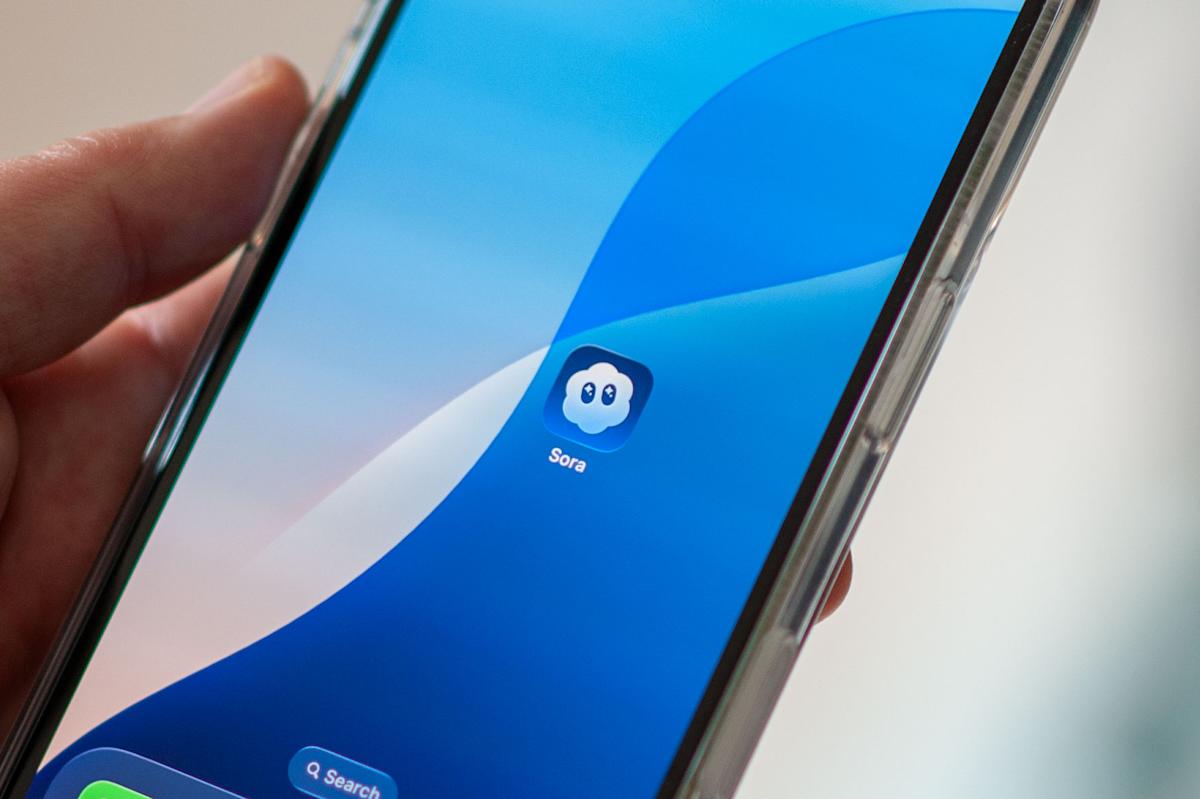
In a move that has sent shockwaves through the tech and entertainment industries, OpenAI is reportedly shutting down its Sora video generation app and API just months after its highly anticipated launch. According to reports from major news outlets and a post on X (formerly Twitter) on Tuesday, the company is abandoning the consumer video tool to refocus its compute resources on robotics and physical world simulation.
The decision marks a stunning reversal for a platform that initially dominated the App Store but reportedly struggled to maintain user interest as the competitive landscape for generative video intensified.
A Sudden "Goodbye" to Sora
The announcement first surfaced on Tuesday afternoon via the Sora official app account on X. "We're saying goodbye to Sora," the post read, thanking the community of creators who had used the tool since its debut. While the post acknowledged the disappointment the news would cause, it offered few immediate specifics regarding the timeline for the app’s removal or the shuttering of its related API services.
An OpenAI spokesperson later confirmed the shift in a statement to Engadget, explaining that the company is prioritizing research that advances the intersection of AI and the physical world. "We've decided to discontinue Sora in the consumer app and API," the spokesperson said. "As focus and compute demand grows, the Sora research team continues to focus on world simulation research to advance robotics that will help people solve real-world, physical tasks."
The $1 Billion Disney Exit
The shutdown appears to have immediate and severe financial consequences. According to The Hollywood Reporter, Disney has moved to terminate a partnership deal it signed with OpenAI at the end of last year. The deal, which was rumored to include a $1 billion investment from the media giant, was seen as a cornerstone of OpenAI’s strategy to integrate generative AI into professional filmmaking and animation.
With the discontinuation of Sora as a consumer and professional API tool, Disney reportedly no longer sees the path to the strategic integration it originally envisioned. This loss of capital comes at a critical time for OpenAI as it navigates the immense costs of training and maintaining its latest large language models.
Declining Interest and the Pivot to GPT-5.2
While the timing of the shutdown surprised many, industry analysts point to underlying data suggesting Sora’s momentum had stalled. Analytics firm Appfigures reported that after an initial surge to the top of the US App Store charts, Sora experienced successive month-over-month declines in both new installs and user spending throughout early 2026.
In December 2025—a period where mobile app engagement typically reaches its peak—Sora reportedly saw a 32% decline in new downloads from the previous month. This lack of "stickiness" among general consumers may have prompted OpenAI to reconsider its focus on the creative tool market.
Furthermore, the shift aligns with OpenAI's broader strategic reorganization following the release of GPT-5.2. Internal reports characterized GPT-5.2 as a "code red" response to Google’s Gemini 3 Pro, a rival model that has challenged OpenAI’s dominance in coding and data analysis. To achieve profitability, OpenAI has pivoted toward courting enterprise customers and professionals, areas where high-reasoning models like the GPT-5 series provide more immediate value than creative video tools.
From Video Generation to "World Simulation"
The redirection of the Sora team is not a total abandonment of the underlying technology, but rather a change in application. According to The New York Times, OpenAI plans to use the video-generation capabilities of Sora as a "training ground" for robotics.
Because the Sora model was built to understand and simulate the physical laws of the world—such as gravity, fluid dynamics, and object permanence—it serves as a high-fidelity simulator for AI agents that need to operate in the real world. By treating video as a simulation of the physical environment, OpenAI believes it can teach robots how to interact with objects and navigate complex spaces without the need for millions of hours of physical trial and error.
Impact on Developers and the Industry
The decision to shutter the Sora API is particularly devastating for the burgeoning ecosystem of third-party developers who had begun building tools on top of OpenAI’s video engine. From marketing startups to indie game developers, many had banked on Sora becoming the industry standard for text-to-video generation.
For the broader AI industry, this move signals a potential "cooling off" period for consumer-facing generative creative tools. As compute costs remain astronomical, companies are increasingly forced to choose between general-purpose creative toys and high-value enterprise or industrial applications.
"This changes how developers will view platform stability in the AI space," one industry analyst noted. "If a flagship product like Sora can be pulled in under a year, it creates a massive trust deficit for those looking to build businesses on external APIs."
Verification and Red Flags
Despite the widespread reporting from outlets such as CNN, NBC News, and The Guardian, some industry observers have raised red flags regarding the authenticity and details of the announcement. As of this report, PikaAINews notes that official confirmation has not yet appeared on OpenAI’s primary corporate blog or newsroom.
Furthermore, several technical details in the circulating reports—including the existence of a "GPT-5.2" model and the specific terms of the $1 billion Disney deal—have not been previously verified through official documentation or public filings. Some analysts suggest the "Sora" shutdown could be part of a larger rebranding or integration effort rather than a total termination of the technology.
What’s Next
OpenAI has promised to share more details soon, including a concrete timeline for when the Sora app will be pulled from stores and when the API will go dark. In the interim, creators are being encouraged to export their work and prepare for a transition.
The industry will be watching closely to see if other video-generation players, such as Runway or Luma AI, move to capture the vacuum left by Sora's departure. Meanwhile, the Sora research team is expected to be fully integrated into OpenAI's robotics division, with new "world simulation" breakthroughs expected later this year.