
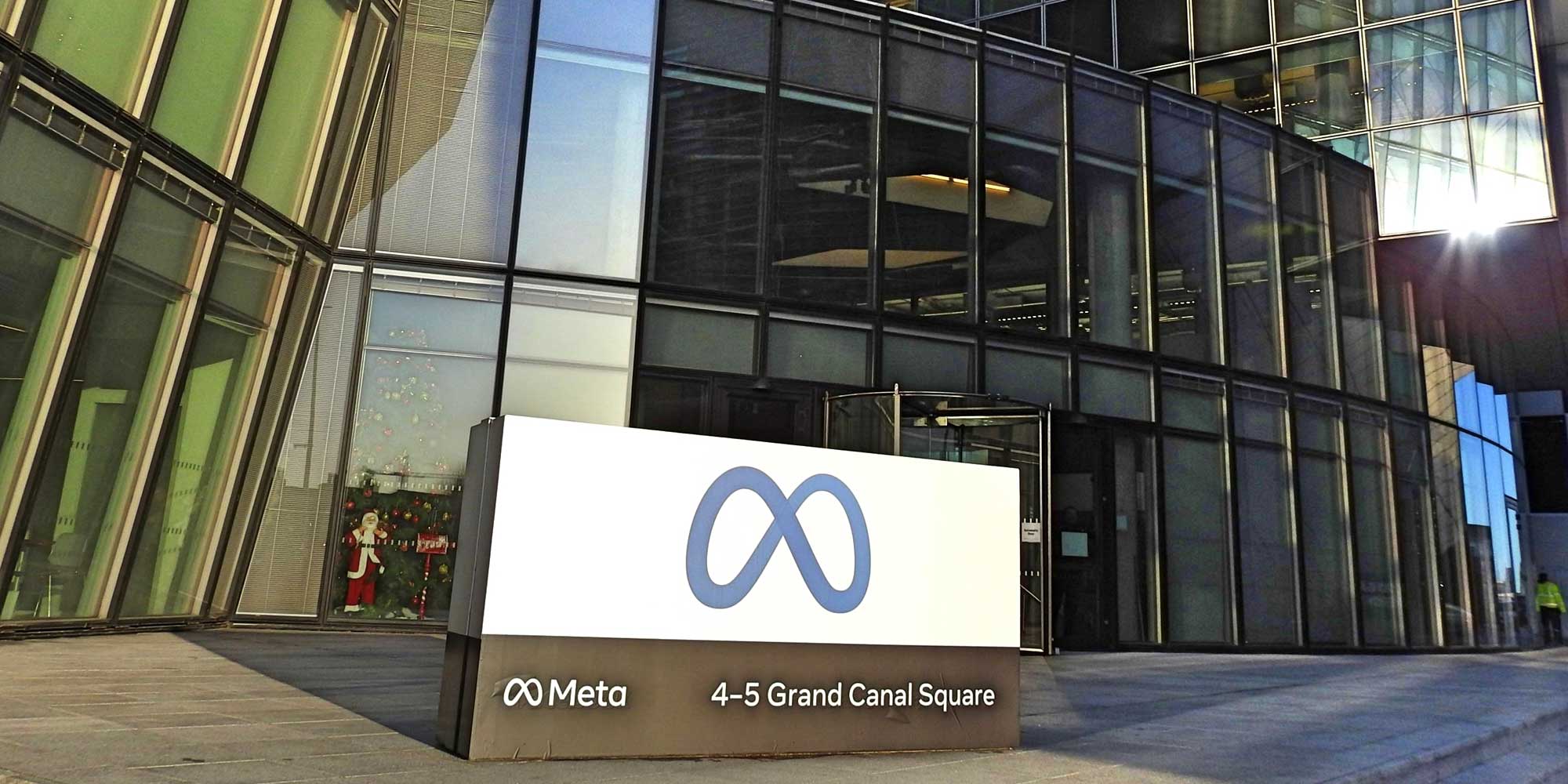
- What: Meta has laid off approximately 700 employees across Reality Labs, social media, and recruitment.
- Why: To reallocate capital toward AI infrastructure, custom silicon, and elite researcher talent.
- Financials: Meta projects record capital expenditures of up to $135 billion for AI datacenters this year.
- Scale: While 700 jobs were cut this week, reports suggest a larger 20% workforce reduction (15,000 roles) may be looming.
Meta has initiated a new wave of layoffs affecting approximately 700 employees as CEO Mark Zuckerberg aggressively pivots the company’s massive capital reserves from the "metaverse" toward a winner-take-all battle for generative AI dominance. The job losses, which hit Reality Labs and recruitment divisions the hardest, signal a fundamental shift in Meta's strategy to prioritize billion-dollar datacenter buildouts and nine-figure talent packages over traditional human headcount.
The move follows Zuckerberg’s "Year of Flattening" directive, where the company is increasingly betting that AI-augmented workflows can replace large swaths of middle management and administrative staff. As the company prepares to spend upwards of $167 billion this year, the layoffs underscore the high human cost of the industry's rapid transition to artificial intelligence.
The "Year of Flattening" Meets the AI Arms Race
According to reports from The Register and The Information, the layoffs began earlier this week. Impacted staff members have begun sharing their departures on social media, including a senior recruiter who noted that her role was eliminated just one year after she was rehired by the company.
In a statement to The Register, a Meta spokesperson characterized the reduction as a "streamlining" effort to ensure the company is in the best position to achieve goals laid out by Zuckerberg during the January earnings call. Zuckerberg has been vocal about his intent to restructure the company, stating in a post-earnings note on January 28 that Meta is "elevating individual contributors and flattening teams."
“We're starting to see projects that used to require big teams now be accomplished by a single very talented person,” Zuckerberg wrote. His vision for the future of Meta is one where "very talented people" choose the company to deliver personalized products to billions of people, ostensibly supported by AI tools that reduce the need for traditional corporate hierarchies.
A $167 Billion Gamble on Infrastructure
The layoffs arrive amid a period of unprecedented spending. Meta’s total expenses rose 24% in 2025 to $118 billion, but that was only the beginning. The company has informed investors it plans to spend between $162 billion and $167 billion this year. A staggering $115 billion to $135 billion of that is earmarked for capital expenditures, specifically for the massive datacenter buildouts required to train and run next-generation large language models (LLMs).
Meta is also deep into a multi-year plan to design and build its own custom chips to reduce its reliance on third-party providers. The company’s Meta Training and Inference Accelerator (MTIA) roadmap is aggressive:
- MTIA 300: Currently in production for ranking and recommendation workloads.
- MTIA 400, 450, and 500: Planned for release through 2027, these chips are designed to handle complex generative AI inference production.
Despite this hardware push, Meta has faced internal hurdles. The company’s next major reasoning model, code-named "Avocado," has reportedly been delayed after delivering underwhelming results in internal testing, according to the New York Times. These technical setbacks have only increased the pressure to recruit top-tier talent from rivals like OpenAI and Anthropic.
The War for Talent and Internal Friction
To bridge the gap in its AI capabilities, Zuckerberg has authorized dramatic nine-figure pay packages to lure researchers. Reports indicate that some defectors from OpenAI have been offered sign-on bonuses as high as $100 million.
This pivot toward "elite" talent has caused significant internal friction. Zuckerberg recently invested $14 billion in Scale AI and tapped its co-founder, Alexander Wang, to lead Meta’s AI efforts. This move reportedly led to the departure of Meta’s former chief AI scientist and "godfather of AI," Yann LeCun. Following his exit, LeCun allegedly criticized Wang as "young and inexperienced" and accused Zuckerberg of pushing aside the original AI team following the "disappointing" release of the Llama 4 model.
Industry Impact: Labor vs. Silicon
For developers and the broader tech industry, Meta’s restructuring is a bellwether for the "AI-first" corporate era. The company is signaling that human labor is increasingly viewed through the lens of its replaceability by AI tools or its ability to build those tools.
The reduction of 700 staff may be the tip of the iceberg. While Meta’s headcount stood at 78,800 at the end of January, Reuters recently reported that the company may be planning to cut up to 20% of its workforce—roughly 15,000 employees. If realized, this would bring Meta’s headcount to its lowest level since 2021.
"This changes how developers will view their longevity at Big Tech firms," noted one industry analyst. "The message is clear: if you aren't building the AI or working as a '10x' contributor using it, your role is at risk."
The social stakes are high: The AI arms race is no longer just about who has the best code; it's about which company is willing to dismantle its traditional workforce to fund a $100 billion mountain of silicon.
What’s Next
The industry will be watching Meta's next earnings report for signs of a return on these massive investments. CFO Susan Li has already signaled to analysts at Morgan Stanley that the path to a return on AI spending remains "uncertain."
In the short term, the company will continue the rollout of its MTIA chip series and attempt to get the "Avocado" model back on track. However, for the thousands of employees remaining in Reality Labs and social media divisions, the looming threat of a 15,000-person layoff continues to cast a shadow over the company's AI ambitions.