
The short version
Google’s DeepMind team is partnering with Agile Robots to bring "Gemini Robotics"—Google’s advanced AI—into physical robots. By combining Google’s brainy AI software with Agile Robots’ specialized hardware, the companies aim to create robots that are much better at performing complex, real-world tasks. For you, this means we are moving toward a future where machines can handle more intricate jobs in industries like manufacturing and production, making them more efficient and capable.
What happened
Think of a standard industrial robot like a high-end power tool: it is incredibly strong and precise, but it can only do exactly what it’s programmed to do. If something changes in its environment, it often gets "stumped."
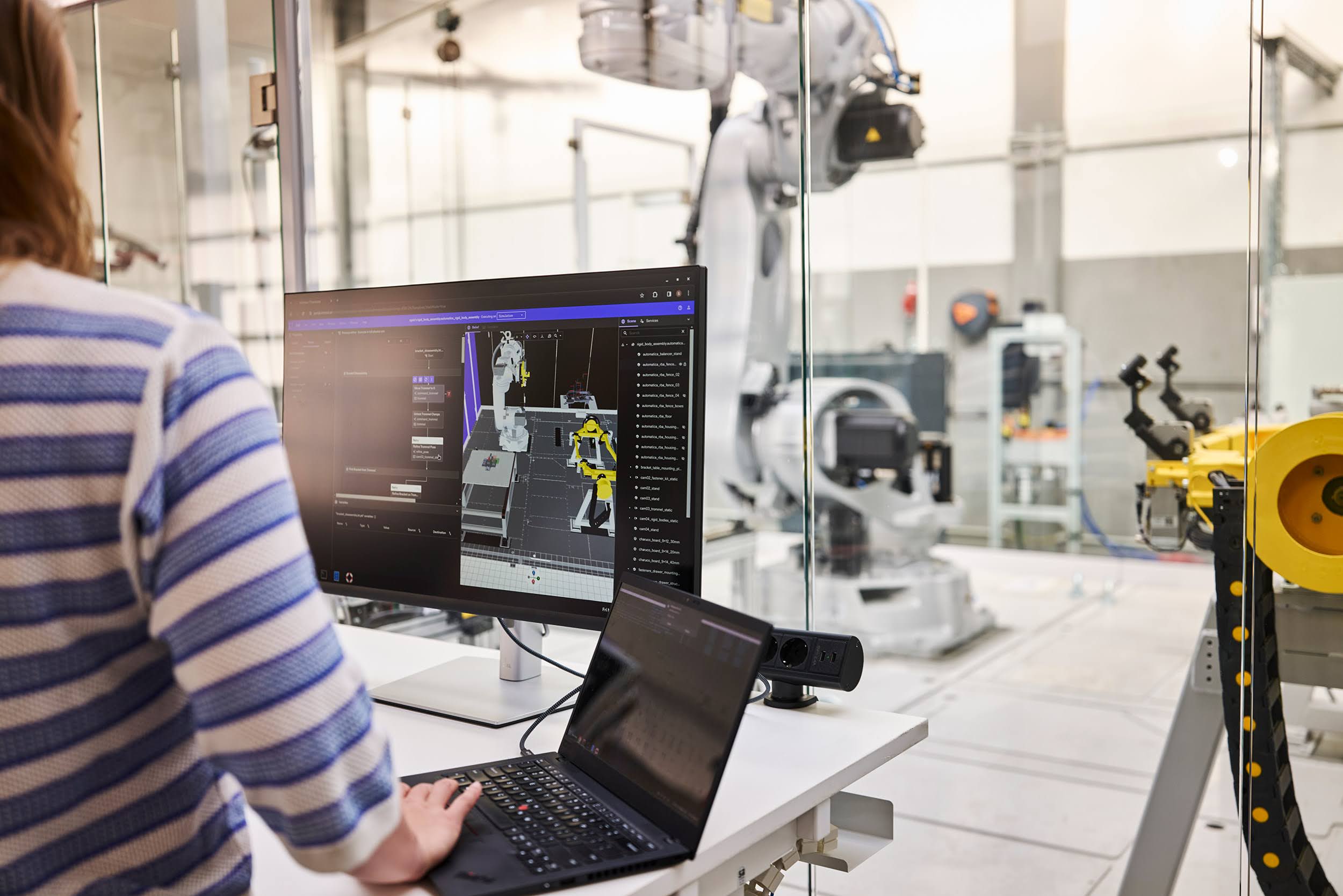
Google DeepMind is teaming up with Agile Robots, a company that already has over 20,000 robots installed in workplaces worldwide, to change this. They are plugging Google’s "Gemini Robotics" models—a type of artificial intelligence designed to understand and interact with the world—into these machines.
You can think of this partnership as giving a well-trained athlete a much smarter "brain." Instead of just following a rigid loop of movements, these robots will be able to learn from the data they collect while working. By testing these AI-powered robots in real factories, the two companies plan to make them smarter, faster, and more adaptable over time.
Why should you care?
Even if you don’t work in a factory, this shift affects your life in subtle ways. When the machines that manufacture the products you buy—like electronics, household goods, or car parts—become more efficient and intelligent, it helps companies reduce waste and speed up production.
In the long run, this technology helps "scale" automation. When robots can handle complex, tedious, or dangerous tasks more reliably, it lowers the cost of production. While we aren’t seeing these robots in our kitchens just yet, this partnership is a major step toward a world where robots aren't just "tools," but "intelligent partners" that can handle more of the heavy lifting behind the scenes of our economy.
What changes for you
In the immediate future, you won't notice a change in your daily apps or devices. This partnership is currently focused on industrial environments—the places where things are built and assembled.
However, as these AI models get better at seeing, moving, and reacting to the world, the technology will eventually trickle down. You might eventually see faster delivery times for custom goods, cheaper prices for manufactured items, or even new types of robots entering service roles, like logistics or warehouse management, which ultimately makes the logistics of your life a bit smoother.
Frequently Asked Questions
Will I be able to buy one of these robots for my home?
Not yet. These robots are designed specifically for industrial use—like in factories or large-scale production facilities. They are built for specialized tasks rather than helping out with chores at home.
Is this the same as the AI in my phone?
It shares the same "family" of intelligence. Google is taking the same Gemini technology used for chatbots and digital assistants and adapting it to understand physical space, motion, and sensor data so robots can "see" and "think" while they work.
When will we see these AI-powered robots in action?
The partnership is happening now, and the companies are already using existing, large-scale factory setups to collect data. You likely won't "see" the robot, but you may start benefiting from the improved efficiency in the products you purchase as these systems are refined and deployed over the coming years.
The bottom line
The partnership between Google DeepMind and Agile Robots represents a major leap in bringing "common sense" to industrial machines. By pairing Google’s cutting-edge AI with a proven fleet of thousands of robots, we are moving past the era of rigid automation into a new age where robots can learn and adapt on the job. While this is currently happening behind the walls of factories, the result will be a more efficient, capable, and productive industrial world that ultimately supports the goods and services we use every day.
Sources
- CNBC: Google partners with Agile Robots, growing its AI robotics footprint
- PR Newswire: Agile Robots and Google DeepMind partner to bring intelligence to robotics
- Robotics and Automation News: Agile Robots partners with Google DeepMind
- TechCrunch: Agile Robots becomes the latest robotics company to partner with Google DeepMind