
The short version
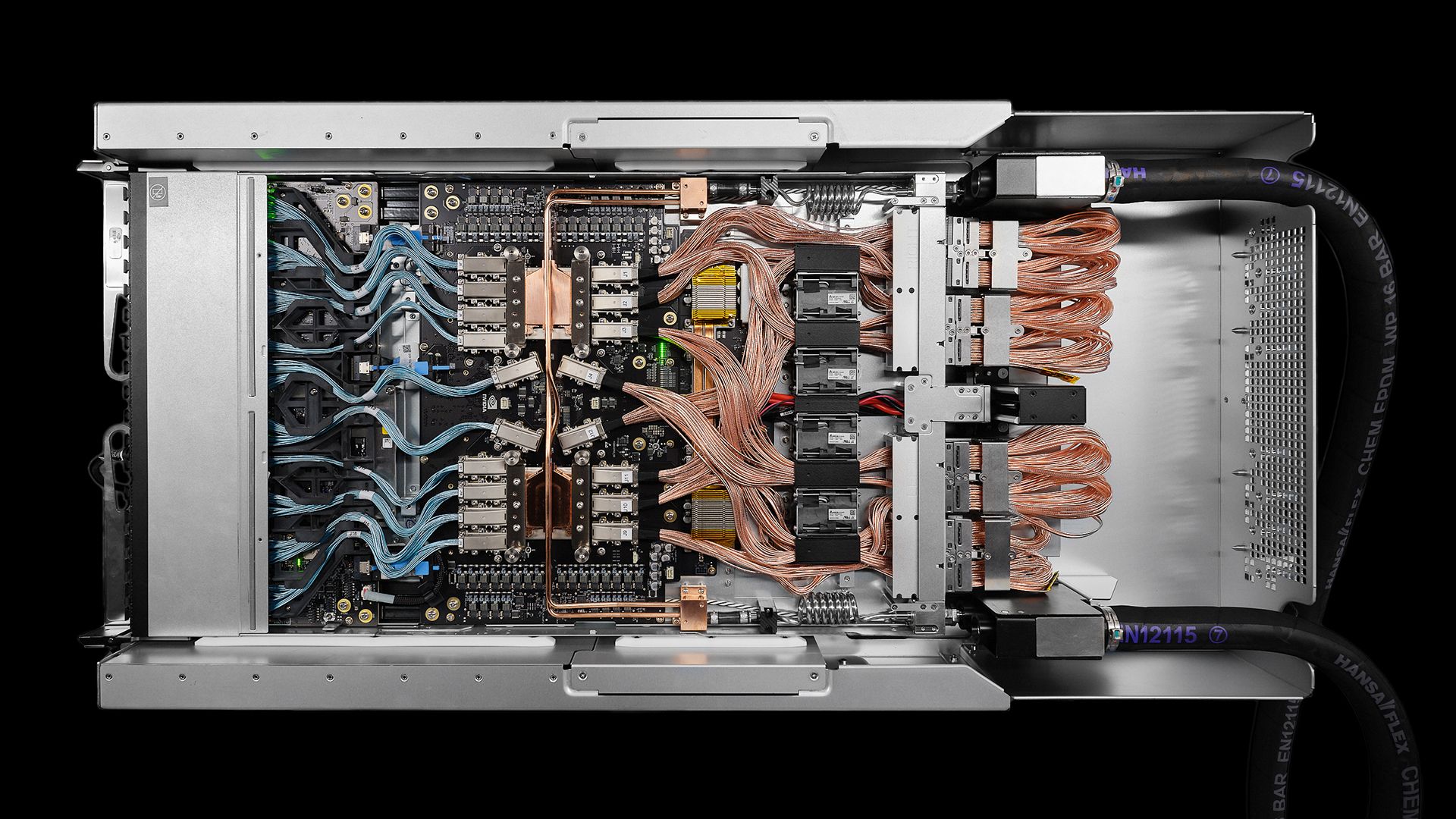
AMD, Nvidia, Broadcom, Microsoft, Meta, and OpenAI have formed the Optical Compute Interconnect (OCI) group to replace copper cables in AI data centers with high-speed optical (light-based) connections. Currently, copper cables act as a bottleneck, struggling to keep up with the massive data demands of modern AI. This new industry standard will allow data centers to move information significantly faster while using less power, ultimately helping AI tools become more powerful and efficient for everyone.
What happened
Imagine you’re trying to move a massive library of books from one building to another. You have a team of people carrying them by hand—that’s like using copper wires to send data between computers. It works, but it’s slow, the workers get tired (that’s the power consumption), and if you try to move too many books at once, you hit a traffic jam.
For years, AI data centers have relied on copper wires to move data between the powerful chips that "think" for AI. But as AI models grow larger, they require so much data that copper is literally running out of steam. Pushing signals through copper at these speeds creates heat and requires an enormous amount of electricity.
The tech giants—including rivals like Nvidia and AMD—have realized they can’t solve this alone. They’ve formed a coalition to build a "highway" made of light (fiber optics) instead of copper. By creating an open standard, they are essentially designing a universal blueprint so that everyone’s hardware can "speak the same language" when communicating over these light-based connections.
Why should you care?
You might never see a fiber-optic cable inside a data center, but you will definitely feel the results of this shift.
Think of this as an upgrade to the "plumbing" of the internet. When the pipes are wider and cleaner, the water (or in this case, data) flows faster.
- Faster AI: Because data can move between chips instantly without hitting a "copper bottleneck," your AI tools will be able to process more complex requests.
- Cost Efficiency: Electricity is one of the biggest costs for companies building AI. By moving to a more efficient system, the cost of running AI services could eventually stabilize or decrease, which is good news for the apps you use every day.
- Innovation: This allows companies to build much larger "brains" for AI. Instead of being limited by how fast they can move data between chips, they can link thousands of chips together to act as one super-powerful machine.
What changes for you
In the short term, you won’t need to download an update or change how you use your favorite AI chatbot. However, this is a "behind the scenes" infrastructure win. Over the next few years, this move will make AI services more responsive, reliable, and capable of handling complex tasks—like writing longer reports, generating more detailed images, or analyzing vast amounts of data—in a fraction of the time it takes today.
Frequently Asked Questions
Is this going to make my AI apps more expensive?
The goal of this alliance is actually the opposite. By creating a standardized, efficient way to build these connections, these companies hope to reduce costs and avoid supply chain shortages, which helps keep AI development sustainable.
How is this different from the Wi-Fi or internet speed I have at home?
This is about what happens inside the massive data centers where AI lives. Think of your home internet as the "delivery truck" bringing information to your house; this news is about the "high-speed conveyor belts" inside the factory that creates the information in the first place.
When will I see the effects of this?
This is an infrastructure-level change, so it won’t happen overnight. As data centers upgrade their hardware to this new optical standard, you will gradually notice AI tools becoming faster and more capable of handling bigger, more complex projects.
The bottom line
The "AI boom" has officially outgrown the physical hardware that powers it. By shifting from slow, power-hungry copper wires to high-speed optical connections, the tech industry is building the next generation of infrastructure required to make AI faster and more efficient. For you, this means the future of AI will be smarter and more responsive, fueled by a new, high-speed foundation that keeps the digital "traffic jams" at bay.