
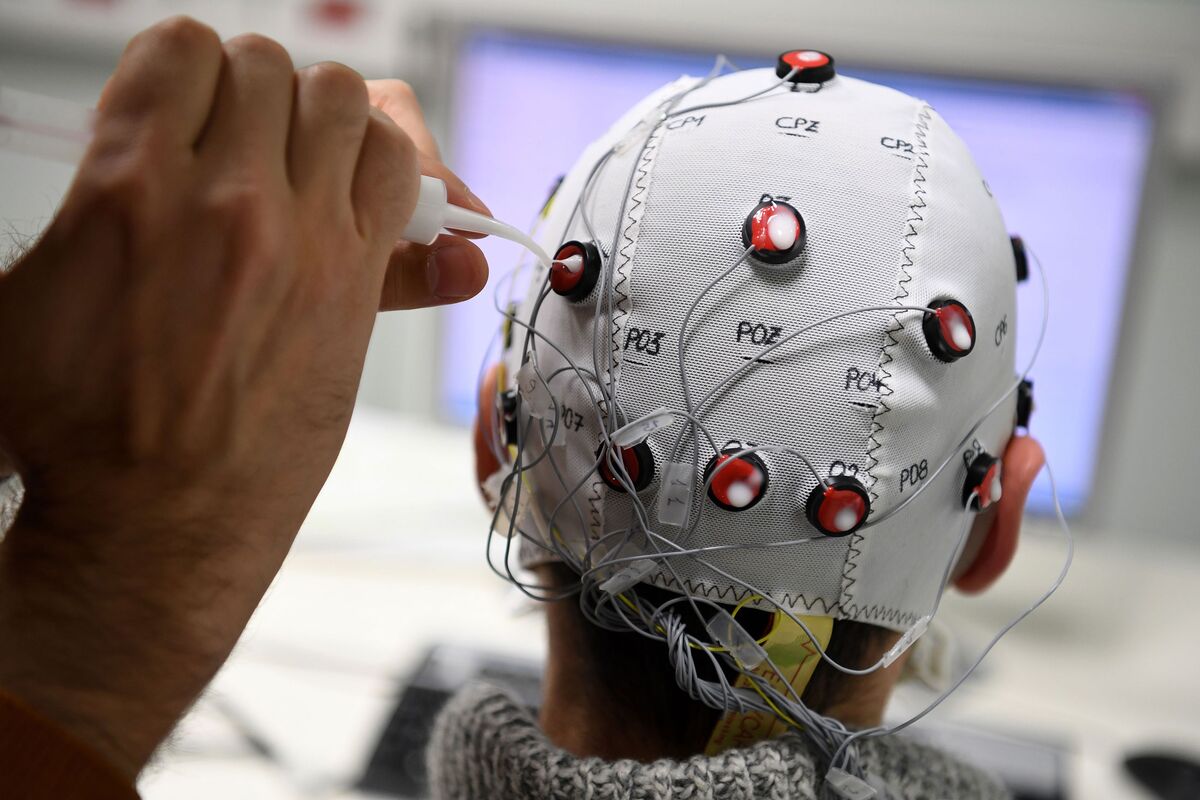
China has officially approved its first-ever invasive brain-computer interface (BCI) for commercial use. This technology creates a direct digital bridge between the human brain and external devices, allowing users to control computers or machines using only their thoughts. By clearing this major regulatory hurdle, China is moving quickly to turn advanced brain-science experiments into products available to the public.
The Short Version
A brain-computer interface (BCI) is a device that connects your brain directly to a computer, allowing you to control technology with your mind. China has just approved the first commercial version of this technology, which could eventually help people with paralysis or other health conditions interact with the world again. This move puts China at the forefront of a global race to develop brain-tech products, challenging similar efforts from companies like Elon Musk’s Neuralink.
What Happened
Think of a brain-computer interface like a translator. Normally, if you want to move your hand, your brain sends an electrical signal to your muscles. An invasive BCI involves a small device placed inside the head that intercepts those electrical signals and sends them directly to a computer instead.
While brain-computer interfaces sound like science fiction, researchers have already successfully completed China's first fully implanted, wireless trial. In this trial, a patient who was paralyzed was able to control external devices without needing any wires or clunky hardware attached to them. By granting "commercial approval," the Chinese government is signaling that this technology is moving out of the laboratory and into the real world.
Why Should You Care?
For most of us, this technology is still a long way from replacing smartphones or keyboards. However, the immediate impact is life-changing for people with physical disabilities.
If you or a loved one suffer from paralysis or conditions that limit physical movement, this technology offers a new way to regain independence. By turning thoughts into digital commands, users could potentially operate wheelchairs, computers, or communication tools just by thinking about it. Because China has integrated its national health insurance with this new industry, this tech could become accessible to patients much faster than in countries where individual private insurers have to approve every new medical device.
What Changes for You
In the immediate future, very little changes for the average person who does not require medical assistance. You won’t be buying a "brain chip" at the electronics store tomorrow.
However, this news marks a shift in how quickly futuristic medical tech can reach the public. Because China is prioritizing this industry as a national goal, you can expect to see a "brain-tech" boom. Startups like Gestala are already raising millions to build new types of brain-interface tools, some of which may eventually move beyond medical uses and into consumer applications.
Frequently Asked Questions
Is this technology safe for everyone?
This is a medical device, not a consumer gadget like a smartwatch. It requires surgery to implant, and it is currently intended for patients who have significant physical limitations, not for the general public to "upgrade" their brains.
How does this compare to Neuralink?
Neuralink, the U.S.-based company, is working on similar technology. China is now effectively racing to challenge these U.S. competitors by moving faster through clinical trials and streamlining the way their national insurance pays for these procedures.
When can I use this?
If you are asking as a consumer who wants to play games or type faster with their mind, that is not currently an option. This technology is strictly for medical patients who need assistance to overcome physical challenges, and it remains a specialized, doctor-led procedure.
The Bottom Line
The approval of China’s first commercial brain-computer interface is a historic step that turns mind-controlled technology from a theory into a reality. While it is currently focused on helping people with physical disabilities, the rapid pace of development suggests that the era of "brain-tech" has officially arrived. For now, the most important takeaway is that we are witnessing the start of a new industry that will fundamentally change how we interact with machines and how we treat physical paralysis.
Sources
- Bloomberg: China Approves First Brain Implant for Commercial Use
- TechCrunch: China’s brain-computer interface industry is racing ahead
- TechCrunch: Chinese brain interface startup Gestala raises $21M
- WIRED: China Is Building a Brain-Computer Interface Industry
- Global Times: China's first invasive brain-computer interface clinical trial
- HelloChinaTech: China’s Brain Implant Policy vs. Science