
Headline:
China’s Tech Sector Embraces OpenClaw in ‘Lobster’ Craze
Key Facts
- What: Chinese companies and enthusiasts are rapidly adopting OpenClaw, an open-source AI agent platform, in a phenomenon colloquially called “raising the lobster.”
- Adoption: China-based usage of OpenClaw has already surpassed that of the U.S., boosting demand for lower-cost Chinese AI models.
- Events: Around 1,000 people lined up outside Tencent’s Shenzhen headquarters on March 6, 2026, for free installation help from Tencent Cloud engineers.
- Spread: The trend has moved beyond developers to hobbyists, students, housewives and retired engineers, with large meetups, livestreams and paid installation services proliferating.
- Ecosystem: At least 13 Chinese tech companies are integrating OpenClaw into cloud, device and application offerings.
Lead paragraph
Chinese technology companies and ordinary users are flocking to OpenClaw, an open-source AI agent platform, in a nationwide phenomenon known as “raising the lobster.” Usage in China has already exceeded levels in the United States, according to industry reports, while driving increased demand for domestic, lower-cost AI models. The frenzy, which mixes grassroots enthusiasm with commercial opportunism, reflects Beijing’s broader push to accelerate AI deployment even as authorities express security concerns about the technology.
What is OpenClaw and “raising the lobster”?
OpenClaw is an open-source platform that allows users to deploy and operate autonomous AI agents. In Chinese developer slang, installing and running the software is referred to as “raising the lobster,” a phrase that has spread rapidly across social media and offline events.
The trend gained mainstream visibility in February 2026 when entrepreneur and tech influencer Fu Sheng hosted a livestream demonstrating OpenClaw’s capabilities that attracted 20,000 viewers. By early March, the movement had expanded significantly. On March 6, approximately 1,000 people queued outside Tencent’s Shenzhen headquarters for hands-on installation assistance, according to multiple reports. Tencent’s cloud-computing unit provided free installation services, while independent operators on social media began charging fees ranging from tens to hundreds of yuan for the same help.
Tencent leads the charge
Tencent has emerged as a central player in the OpenClaw wave. The company’s cloud unit organized events that drew crowds of amateur developers, retired space engineers, housewives, students and AI enthusiasts. Engineers were on site to install the software for free, reflecting a deliberate strategy to capitalize on surging public interest.
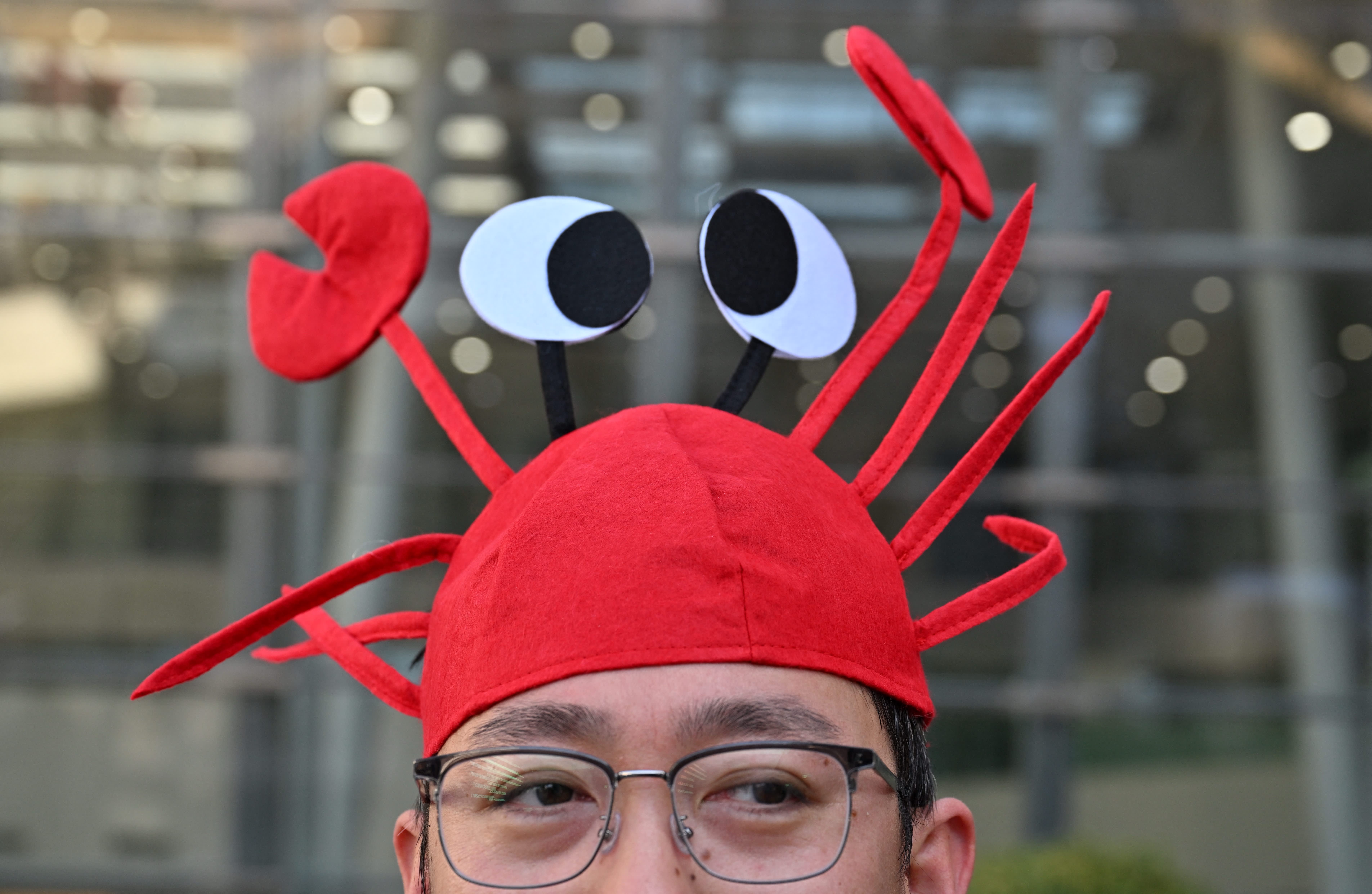
Social media platforms in China quickly filled with posts advertising installation services, creating a cottage industry of “lobster hustlers.” The phenomenon has also spawned cultural artifacts, including specialized lobster hats worn at enthusiast meetups and a growing vocabulary built around “raising the lobster.”
Government support and security concerns
The OpenClaw craze coincides with strong government encouragement of AI adoption across Chinese industry. Beijing has supported the deployment of AI agents to boost productivity and technological self-reliance. However, authorities have also begun clamping down on certain uses due to security fears.
According to reports, state-run enterprises have been barred from using OpenClaw amid concerns over data security and potential vulnerabilities in the open-source platform. This tension highlights the dual nature of China’s AI push: aggressive promotion of domestic innovation alongside strict controls on sensitive sectors.
Broader industry impact
The OpenClaw phenomenon is pulling at least 13 Chinese tech companies into the ecosystem, according to Digitimes. Cloud providers, device makers and application developers are integrating the platform, creating new opportunities across the hardware and software stack.
The surge in adoption is also benefiting Chinese AI model providers. As more users and companies deploy OpenClaw agents, demand is rising for affordable, locally developed large language models that can power these autonomous systems. This shift potentially reduces reliance on higher-cost foreign models and strengthens China’s domestic AI supply chain.
Community and commercial dynamics
What began in developer circles has spilled over into mainstream culture. Meetups drawing hundreds of participants are now common in cities like Shenzhen. Events featuring lobster-themed merchandise and terminology have become social phenomena, blending technology enthusiasm with community-building.
Commercial actors are moving quickly to monetize the trend. In addition to paid installation services, entrepreneurs are offering training, custom agent development and related hardware optimized for running OpenClaw workloads. This gold-rush atmosphere has drawn both legitimate innovators and opportunists seeking to profit from the hype.
Impact
For Chinese developers and companies, OpenClaw offers a low-cost, open-source route to deploying sophisticated AI agents without heavy reliance on proprietary foreign platforms. The trend is accelerating experimentation with agentic AI systems that can perform complex, multi-step tasks autonomously.
For the broader AI industry, China’s rapid adoption of OpenClaw demonstrates the power of open-source tools to drive mass deployment at scale. It also illustrates how cultural memes — in this case, the “lobster” metaphor — can accelerate technology diffusion beyond traditional enterprise channels.
The phenomenon may put pressure on Western AI companies to accelerate their own agent platforms and open-source strategies to remain competitive in the global market. Meanwhile, Chinese cloud providers like Tencent are strengthening their positions as key gateways for AI adoption.
What’s next
The long-term trajectory of the OpenClaw craze remains unclear. While grassroots enthusiasm continues to build, government restrictions on state-owned enterprises signal growing caution around security and data governance. Future developments may include tighter regulation of OpenClaw deployments in sensitive sectors, alongside continued promotion in commercial and consumer applications.
Industry observers expect the ecosystem of tools, services and compatible models built around OpenClaw to expand rapidly in the coming months. Whether the “lobster” phenomenon sustains its viral momentum or settles into more conventional enterprise adoption will likely depend on the platform’s technical performance, security improvements and Beijing’s evolving regulatory stance.
The story also highlights the increasing speed at which AI technologies can spread in China when government policy, corporate strategy and public enthusiasm align — a dynamic that continues to reshape the global competitive landscape.
Sources
- China’s ‘lobster’ craze: OpenClaw AI agent adoption surges
- OpenClaw fever: why is China rushing to ‘raise a lobster’?
- Hustlers are cashing in on China's OpenClaw AI craze
- OpenClaw AI agents pull 13 tech companies into China's cloud and device ecosystem
- OpenClaw AI agent craze sweeps China as authorities seek to clamp down amid security fears