
The short version
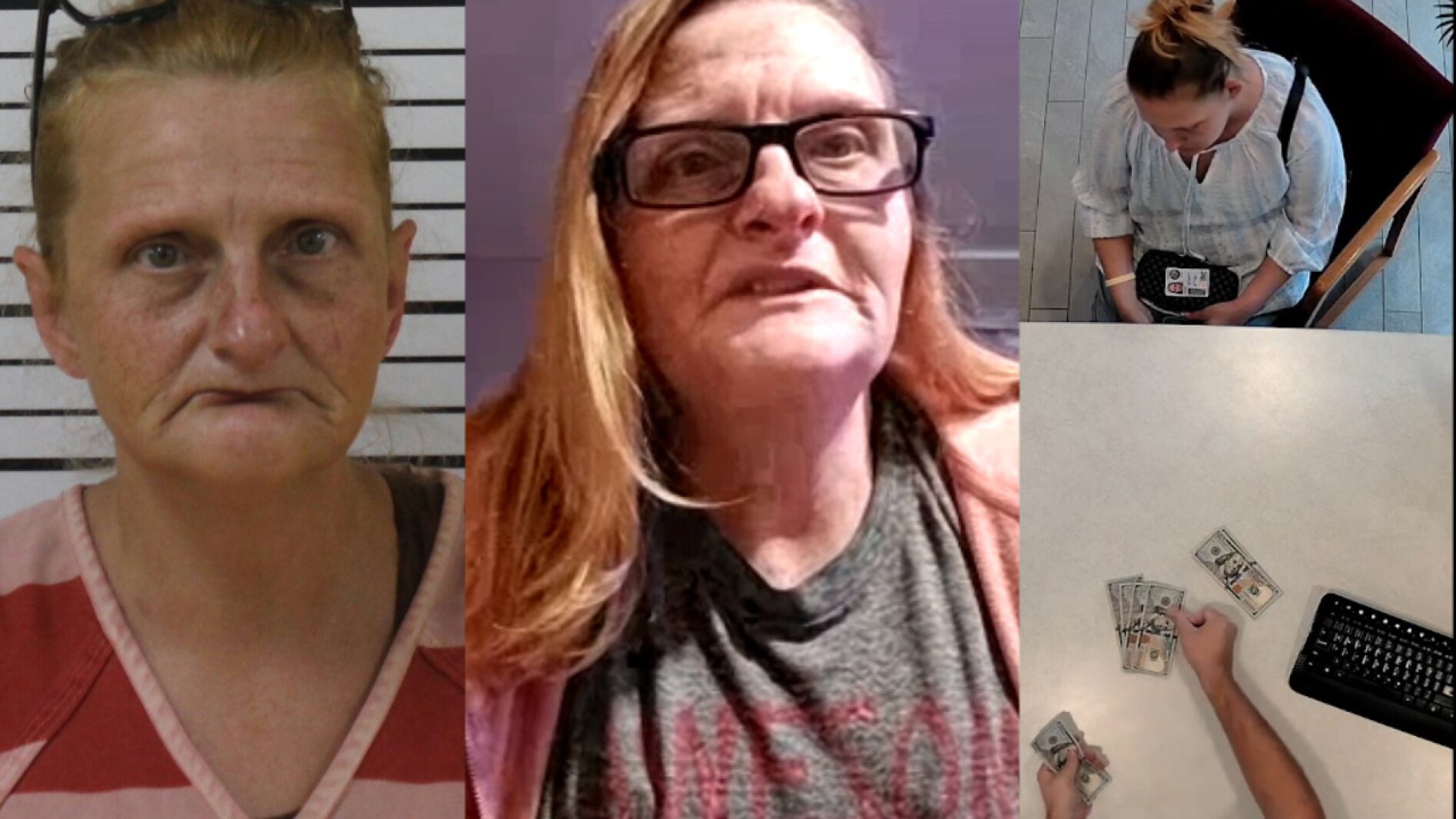
Facial recognition AI wrongly identified a Tennessee grandmother as a bank fraud suspect, landing innocent Angela Lipps in jail for nearly six months—four in Tennessee and two in North Dakota—until her bank records proved she was 1,200 miles away at home. Fargo Police used the AI on blurry surveillance video of a woman using a fake military ID to steal tens of thousands from banks, then matched it to Lipps' social media and driver's license without calling her first. She lost her home, car, and dog, showing how AI errors can destroy everyday lives before the truth comes out.
What happened
Imagine you're at home minding your own business, babysitting grandkids, when U.S. Marshals burst in with guns drawn and haul you off to jail for a crime 1,200 miles away that you had nothing to do with. That's exactly what happened to Angela Lipps, a 50-year-old grandmother from north-central Tennessee who's never even flown on a plane or visited North Dakota. Last summer, Fargo Police in North Dakota were investigating an "organized bank fraud case." Surveillance cameras caught a woman using a fake U.S. Army military ID card to withdraw tens of thousands of dollars from banks.
To ID her, detectives turned to facial recognition software—a tool that scans photos and videos, compares faces to databases, and spits out matches, like a high-tech game of "spot the lookalike." The AI pointed straight at Lipps. The detective double-checked by peeking at her Tennessee driver's license photo and social media pics, noting similarities in "facial features, body type, hairstyle, and color." That was enough to charge her with four counts of unauthorized use of personal identifying information and four counts of theft. No phone call to Lipps to ask, "Hey, were you in Fargo?" Nothing.
On July 14, marshals arrested her at gunpoint in Tennessee while she watched four young kids. She sat in a Tennessee jail for 108 days without bail as a "fugitive from justice." Finally, on October 30, North Dakota officers flew her to Fargo. Her court-appointed lawyer, Jay Greenwood, immediately pulled her bank records. Boom—proof she was home depositing Social Security checks, buying pizza, cigarettes at a gas station, and Uber Eats via Cash App at the exact times the fraud happened in Fargo. Police finally interviewed her on December 19 after over five months in custody. Five days later, on Christmas Eve, charges dropped, and she walked free—stranded in snow with summer clothes, no coat, terrified, and everything she'd owned gone.
"If the only thing you have is facial recognition, I might want to dig a little deeper," said Jay Greenwood, Lipps' lawyer. (Pull quote from the source—hits home how one AI glitch snowballed into nightmare.)
This isn't sci-fi; it's real, based on police files obtained via open records request. The AI worked like an overeager photo tagger on Facebook that mistakes your cousin for you, but with handcuffs and courtrooms attached.
Why should you care?
AI facial recognition is popping up everywhere—not just police, but airports, stores, phones, and apps unlocking your front door. It's sold as a crime-fighting superhero, spotting bad guys in crowds faster than humans. But this story screams: it's not infallible. Lipps is an everyday person—a mom of three, grandma of five, living quietly on Social Security. One bad match, and poof: six months jailed, life wrecked. For you? It means if police scan a fuzzy video from a robbery or scam, your face could pop up from a driver's license database or social media scrape. No crime needed—just a similar hairstyle or build.
Think of similar cases: Additional context mentions Porcha Woodruff, eight months pregnant, arrested for carjacking in Detroit due to the same tech matching her to a mugshot database. These aren't flukes; they're warnings. AI gets tripped by things humans notice easily—bad lighting, angles, aging, hairstyles, or even masks post-COVID. For regular folks, it raises the stakes: Will a family photo online make you a suspect? Could it snag you at a traffic stop? Costs skyrocket—Lipps lost her home, car, dog—while proving innocence takes lawyers and records most can't grab fast. Smarter AI sounds great until it picks you by mistake.
What changes for you
Right now, nothing's "changing" overnight—no new laws from this single case—but it spotlights risks hitting close to home. Police departments like Fargo's are leaning harder on AI for speed, but this proves they can't treat it as gospel. For everyday users:
- Your privacy amps up scrutiny: Post this story (viral score 9/10, covered by Guardian, InForum), expect pushback. More cities might require "human review" before arrests, like double-checking AI matches with alibis or calls.
- Apps and daily life: Your phone's face unlock? Store cameras tracking shoplifters? Airports scanning passports? Same tech. A glitch could flag you wrongfully, delaying travel or jobs.
- No extra costs yet, but ripple effects: Innocent people like Lipps foot massive bills—lost wages, legal fees. Taxpayers cover jail time (hundreds per day). If you're ever misidentified, you'll need bank statements or receipts ready—digital trails matter more than ever.
- Practical steps: Scrub social media of clear face pics if paranoid. Use privacy settings. Know your rights: Police must have probable cause; AI alone isn't enough in many places, but it greased Lipps' arrest.
- Bigger picture: This pressures companies building AI (not named here, but common tools like Clearview AI scrape public web) to improve accuracy. Benchmarks? Not in sources, but real-world error: 100% wrong on Lipps despite "matches."
Competitive context: Unlike flawless sci-fi scanners, this AI failed on surveillance quality—blurry video vs. clean driver's license. Humans could've spotted the travel impossibility quicker. Emotional stakes? Lipps' trauma: "It was so scary, I can still see it in my head." Yours could be next.
Frequently Asked Questions
### Can police really arrest you just based on AI facial recognition?
No, not legally on AI alone—U.S. law requires "probable cause," like evidence linking you to the crime. But in Lipps' case, Fargo Police used the AI match plus visual similarities as cause, leading to her arrest without prior contact. Always demand they verify with alibis; her lawyer proved innocence via bank records showing she was home.
### How accurate is facial recognition AI really?
The sources don't give specific accuracy stats for Fargo's tool, but Lipps' story shows it can fail badly on real-world video—blurry footage, angles, lighting. It's better on clear, front-facing photos but errs more on diverse faces, ages, or changes like hairstyles. Experts say error rates can hit 1-10% or higher in tough conditions, not confirmed here.
### Has this happened to others besides Angela Lipps?
Yes—context notes Porcha Woodruff, pregnant and arrested for carjacking in Detroit after AI mismatched her to a mugshot. These cases highlight patterns: Innocent women often hit hardest, per Innocence Project reports. Not yet confirmed how widespread, but coverage in Guardian and local news suggests growing awareness.
### What should I do if AI wrongly IDs me?
Gather proof fast: Bank/credit card statements, receipts, GPS data showing location. Get a lawyer immediately—Lipps waited months. Demand police interview you before charging. Opt out of public face databases if possible, like deleting old social media pics.
### Will this stop police from using facial recognition?
Unlikely soon—this speeds investigations, as in Fargo's fraud ring. But fallout could lead to rules like mandatory human checks or bans in some states (e.g., Illinois limits it). Watch for lawsuits; Lipps is "working to get her life back," possibly suing.
The bottom line
Angela Lipps' six-month jail hell—one arrest at gunpoint, lost home/car/dog, stranded in Fargo snow—is a wake-up call: AI facial recognition can supercharge mistakes, turning fuzzy video into felony charges before you blink. For you, the regular person snapping selfies and driving with a license photo online, it means double-checking your digital footprint and demanding better from cops who treat AI like truth serum. Push for verification rules; one wrong beep shouldn't ruin lives. Stay vigilant—your face is data now, and glitches have handcuffs.
(Word count: 1,248)