
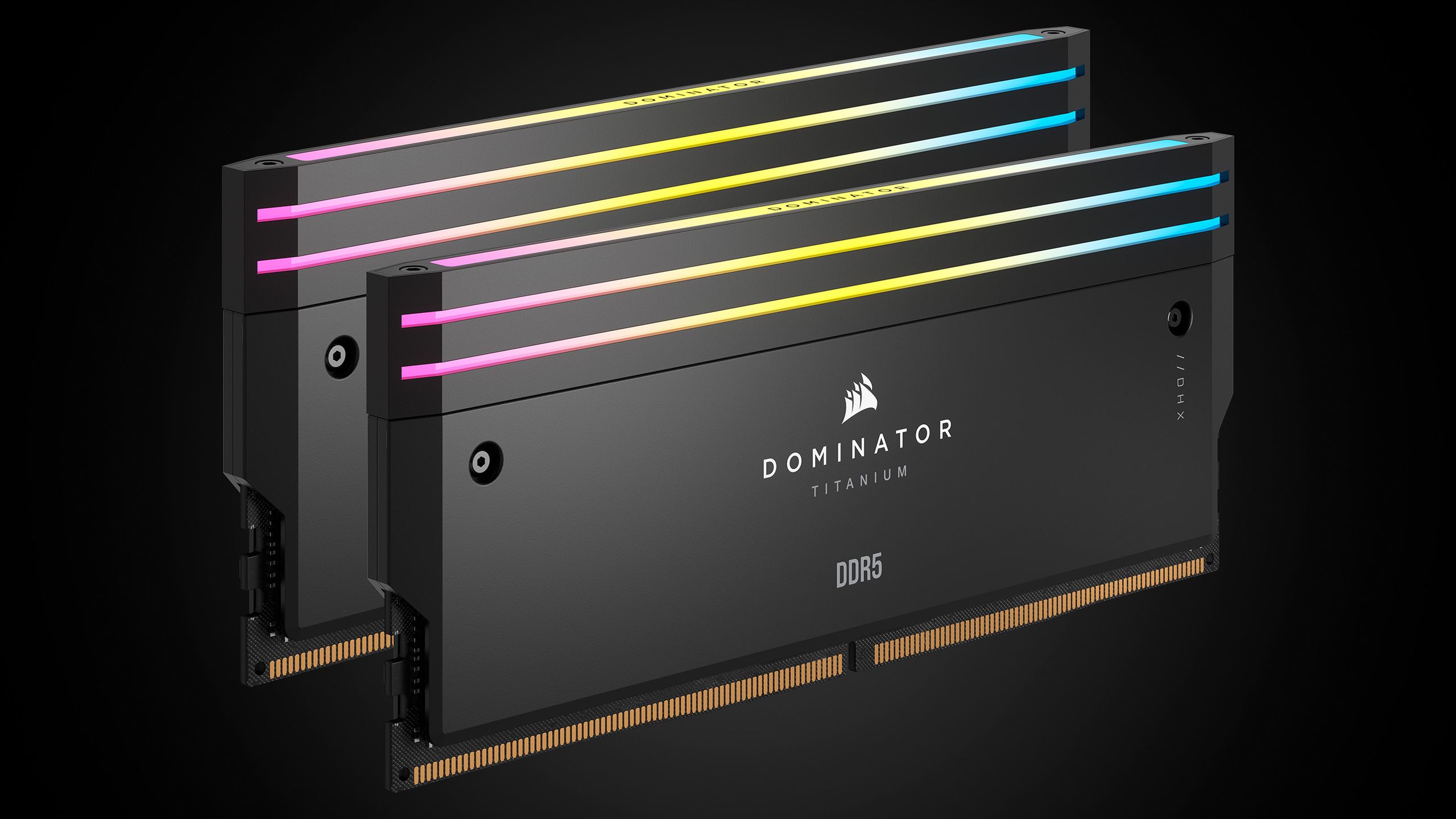
US RAM Crisis Hits Boiling Point as AI Mania Wipes Out All 32GB DDR5 Kits Under $359
Key Facts
- Retailers have begun selling 32GB DDR5 memory kits with a starting price of $359.99 in the U.S. market, with cheaper kits vanishing from shelves within seconds of listing.
- Major memory manufacturers Samsung, SK hynix, and Micron have shifted production capacity toward AI-oriented memory such as HBM and advanced LPDDR, limiting supply for commodity DRAM.
- AI data centers operated by Nvidia, Google, and Microsoft are consuming vast quantities of high-bandwidth memory, driving up prices across consumer segments.
- Contract DRAM prices have surged dramatically, with 16Gb DDR5 chip prices rising from approximately $6.84 to $27.20 in Q4 2025.
- Scalping bots are aggressively targeting DDR5 listings, scraping product pages up to 50,000 times per hour and outcompeting human buyers.
Lead paragraph
Retailers in the United States have seen all 32GB DDR5 memory kits priced below $359.99 disappear almost instantly as surging demand fueled by the artificial intelligence boom creates a severe RAM shortage. According to Tom's Hardware, cheaper DDR5 kits are now selling out within seconds of being listed, forcing the starting price for available 32GB kits to $359.99. This latest escalation in the ongoing RAM crisis stems from memory manufacturers prioritizing production for AI data centers at the expense of consumer and PC markets.
The shortage reflects a broader industry shift that has been building throughout 2025. Samsung, SK hynix, and Micron have deliberately constrained expansion of commodity DRAM production lines to focus on high-margin AI memory technologies, including high-bandwidth memory (HBM) and advanced LPDDR variants. This strategic pivot has left traditional DDR5 supply struggling to meet even baseline consumer demand.
Body
The effects are clearly visible in retail channels. A 32GB DDR5 kit that had benefited from months of price declines through late 2024 and the first half of 2025 has seen its price climb above $360 and frequently sell out immediately upon restock. Similar patterns are affecting DDR4 modules, which had previously stabilized around $50 for a 32GB Corsair Vengeance DDR4-3200 kit before more than quadrupling to roughly $200 in the second half of 2025, according to reporting by PC Gamer.
Industry analysts point to AI data center operators as the primary driver. Companies including Nvidia, Google, and Microsoft continue to expand their AI infrastructure at an unprecedented pace, consuming enormous volumes of specialized memory. This demand has effectively allowed AI projects to outbid consumer PC builders, gamers, and smartphone manufacturers for available DRAM production capacity.
The supply imbalance has produced dramatic price movements in the contract market. As reported in industry analysis from IntuitionLabs, 16Gb DDR5 chip prices jumped from about $6.84 to approximately $27.20 during Q4 2025 — an increase exceeding 300%. The ripple effects extend beyond DDR5, with even legacy DDR4 modules experiencing sharp price increases as manufacturers convert older production lines to newer DDR5 processes.
Compounding the scarcity, automated scalping operations have intensified. According to TechRadar and Security Boulevard reports, bots are scraping DDR5 product pages up to 50,000 times per hour — six times more frequently than legitimate human users in some cases. Anti-bot firm DataDome reportedly blocked more than 10 million scraping requests as resellers attempt to capitalize on the shortage by flipping memory kits at marked-up prices.
Impact
The RAM shortage is beginning to affect multiple sectors beyond desktop PC enthusiasts. Consumer electronics manufacturers, notebook makers, and Chromebook producers are facing rising component costs that threaten product pricing and shipment volumes. The memory crunch is also contributing to higher costs for SSDs and, in some cases, influencing GPU pricing as supply chain pressures mount across the PC ecosystem.
For PC builders and gamers, the practical consequences are immediate. A 32GB DDR5 kit that might have cost under $150 earlier in 2025 now commands more than double that amount when available. System builders report difficulty securing adequate memory for new gaming rigs and content creation workstations, potentially slowing upgrades and new system sales.
The situation also highlights the growing competition between AI infrastructure and traditional computing markets. As hyperscalers pour resources into large language models and generative AI training clusters, the memory industry has followed the money, reallocating fabrication capacity toward the far more profitable HBM modules required for Nvidia's latest GPUs and similar AI accelerators.
What's Next
Industry observers do not expect meaningful relief in the near term. Expanding DRAM production capacity requires significant capital investment and time, with new fabrication facilities typically taking years to build and bring online. Manufacturers appear likely to continue prioritizing AI memory given substantially higher margins compared to commodity DDR5.
Some analysts suggest that sustained high prices could eventually encourage new capacity investments, but any resulting supply increases remain months or years away. In the meantime, consumers and PC OEMs may need to adjust expectations around memory pricing and availability through at least the remainder of 2026.
The situation also raises questions about long-term supply chain resilience as artificial intelligence continues to drive exponential demand for advanced semiconductors. Similar dynamics are reportedly affecting other components, suggesting the current RAM crisis may represent only one aspect of broader pressure on electronics supply chains.
Sources
- Tom's Hardware - US RAM crisis hits boiling point as AI mania wipes out all 32GB DDR5 kits under $359
- IntuitionLabs - RAM Shortage 2025: How AI Demand is Raising DRAM Prices
- TechRadar - AI is competing with humans to buy DDR5 memory amid the RAMpocalypse
- Security Boulevard - Scarcity in DDR5 RAM Fueled by AI Demand Sparks Massive Scalping Surge
- PC Gamer - Explainer: The RAMpocalypse is making memory, SSDs, and even GPUs much more expensive
- Bloomberg - Why the AI Boom Will Make Phones, Cars and Electronics More Expensive