
The short version
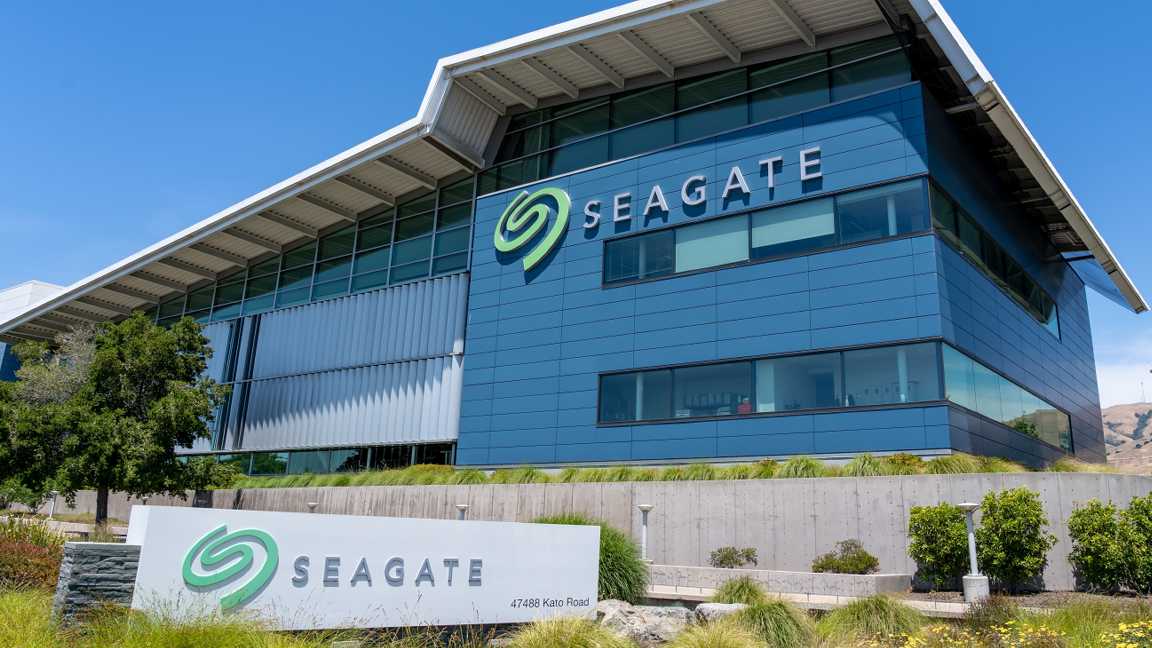
Seagate, a major maker of hard drives that store data like photos, videos, and AI info, says rising prices for computer storage are now "the new normal" thanks to exploding demand from AI data centers. Their top executive called it an "unprecedented supercycle" where demand is growing 25% a year instead of the usual 20% or less, pushing prices sky-high—DRAM memory prices could double or more next year. For everyday folks, this means your next laptop, external drive, or cloud storage subscription might cost more, with no quick relief in sight.
What happened
Imagine storage like the giant warehouses where companies keep all their digital stuff—photos, videos, customer records, and now massive piles of data that power AI tools like ChatGPT. Seagate's Chief Commercial Officer, Ban-Seng Teh, told the South China Morning Post that the usual boom-and-bust cycle for storage prices is broken. Normally, when demand spikes, prices rise for a bit, factories ramp up, supply catches up, and prices drop. But AI has changed everything.
Data centers running AI need huge amounts of storage because training those smart systems guzzles data—like filling an Olympic swimming pool every hour. This "supercycle" has demand growing in the mid-20s percent range yearly, way above expectations. Teh said it's "very unusual" and might not end anytime soon. On top of that, a key part called DRAM (think of it as the fast-access shelf in the warehouse) is seeing prices forecasted to jump 90% in early 2026— the biggest single-quarter hike ever, per market trackers TrendForce. Even PC DRAM could more than double.
Seagate feels the pinch too: their costs are up from DRAM and even wild oil prices messing with shipping (crude oil hit nearly $120 a barrel recently due to Middle East tensions). But they're cashing in—shipping super-dense 44TB drives using new tech called HAMR to big cloud giants, with orders booked through 2026 and into 2027. No wonder their stock jumped 19% on strong earnings. In short, AI's data hunger is like a feeding frenzy at a buffet, and suppliers like Seagate are raising prices to keep up.
Why should you care?
This isn't just a tech company gripe—it's your wallet talking. Storage powers everything you do online: streaming Netflix, backing up phone pics to the cloud, or buying a new gaming PC. When prices rise across the board, it trickles down. Cloud services like Google Drive or iCloud might hike fees to cover their data center bills. Your next external hard drive for family videos? Expect to pay 20-50% more, or settle for less space. AI getting smarter sounds great, but if it jacks up the cost of everyday gadgets, that's a direct hit to your budget.
Think of it like gas prices during a road trip boom: more cars on the road (AI data centers) mean pumps charge more, and you pay at every fill-up. Seagate's warning signals this squeeze is here to stay, not a blip. For families storing years of photos or small businesses using cloud backups, higher costs mean tighter choices—delete old files or pay up?
What changes for you
Practically, here's what to watch:
- Buying a new computer or drive? Prices for laptops, desktops, and external storage could rise 20-100% on memory components alone. That 1TB external drive that was $50 might hit $70-100 soon.
- Cloud storage subscriptions: Services like Dropbox, OneDrive, or Amazon Photos rely on these drives. Expect fee bumps—maybe your $10/month plan goes to $12-15.
- Gaming and media: Big-game installs or 4K video libraries take tons of space. You might need to buy bigger (pricier) drives or manage space more carefully.
- No quick fixes: Seagate's drives are allocated through 2026, so sales or discounts are off the table. Oil volatility adds shipping costs, too.
- Silver lining? AI might get even better at things like photo editing or voice assistants, but you'll indirectly fund it through higher device prices.
If you're shopping now, stock up on deals before Q1 2026 hits. For long-term, consider efficient habits like using phone compression or shared family cloud plans to stretch your storage dollars.
Frequently Asked Questions
### Will my current hard drive or cloud storage get more expensive right away?
Not immediately for what you already own, but renewals or upgrades will. Seagate says costs are rising now, with big jumps forecasted for early 2026. Cloud providers often pass these on in quarterly fee tweaks, so check your bill soon.
### Why is AI causing storage prices to rise?
AI systems like chatbots need to "train" on enormous datasets—think libraries of every book, video, and webpage ever made. Data centers store this flood of info on drives like Seagate's, creating non-stop demand that outpaces supply, like too many shoppers at a Black Friday sale.
### How does this affect my phone or laptop?
Directly: New devices will cost more due to pricier memory inside. Your iPhone's storage options (128GB vs. 512GB) might jump $50-100. Seagate focuses on big drives, but the ripple hits consumer parts like PC DRAM, which could double in price.
### Is there any relief coming for consumers?
Unlikely soon—Seagate's top exec says it's the "new normal," with demand locked in through 2027. They just started shipping next-gen 44TB drives to cloud giants, prioritizing them over consumer stock. Watch for efficiency tech, but don't hold your breath.
### Should I buy storage now or wait?
Buy now if you need it. Prices are trending up with no historical recovery in sight. Deals exist today, but post-2026 forecasts predict record highs.
The bottom line
Seagate's alert is a wake-up call: AI's data explosion is turning storage into a hot commodity, locking in higher prices as the "new normal" for years. For you, it means pricier gadgets, cloud fees, and backups—no more cheap terabytes. The upside? This fuels faster, smarter AI in your apps. Smart move: audit your storage needs today, snag deals while they last, and get comfy budgeting a bit more for digital space. It's the cost of living in an AI-powered world.