
The short version
Niantic, the company behind the hit game Pokémon Go, is using location data collected from millions of players to train AI "world models" that help robots and devices see and navigate the real world super accurately—like giving them perfect GPS eyes. This spun-out AI company, Niantic Spatial, aims to make delivery robots, self-driving cars, and AR glasses move around without bumping into things. For you, it could mean faster package deliveries, safer autonomous tech in everyday life, and cooler augmented reality experiences right on your phone.
What happened
Imagine Pokémon Go as a massive treasure hunt where players chased virtual creatures in the real world using their phone's camera and GPS. Back in 2016, over 500 million people downloaded it in just 60 days, walking billions of miles while the app quietly mapped streets, buildings, sidewalks, and landmarks. Niantic didn't just make a game—they built a huge library of real-world photos and location data from all those players.
Now, Niantic has spun off a new AI company called Niantic Spatial, led by their CTO Brian McClendon. They're turning that data into "world models"—think of it like a super-detailed 3D blueprint of the planet. These models teach AI to understand physical spaces, so robots can dodge puddles, delivery bots can squeeze through tight alleys, and AR apps can overlay digital stuff perfectly on your surroundings. It's all opt-in now for new scans, focused on improving player experiences, but the old Pokémon Go data is the goldmine kickstarting this.
This isn't sci-fi; it's like how Google Maps uses your location to suggest the best route, but on steroids for AI brains grounded in reality instead of just text or images.
Why should you care?
This matters because robots and smart devices are already creeping into your daily routine—think Amazon delivery drones dropping packages at your door or self-driving taxis picking you up. Right now, they sometimes get confused by construction zones, bad weather, or unexpected obstacles, leading to delays or accidents. Niantic's world models could make them way smarter and safer, speeding up deliveries and cutting costs.
For everyday folks, it means less waiting for groceries or meds, cheaper rides from robotaxis (as they become more reliable), and fun new AR games or apps that blend digital and real worlds seamlessly. No more glitchy filters in Snapchat that float in the wrong spot. Plus, as AI gets better at "seeing" the world like we do, it could power helpful tools like glasses that read signs for the visually impaired or apps that guide you through crowded airports.
What changes for you
Practically speaking, you might notice:
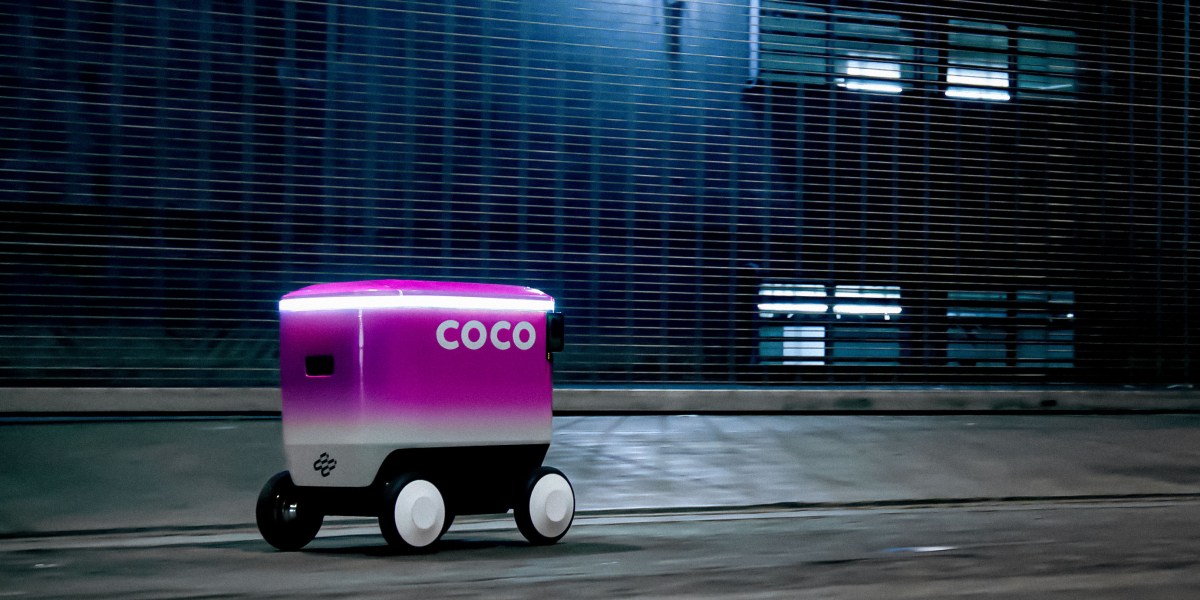
- Faster deliveries: Sidewalk robots from companies like Amazon or Starship could navigate your neighborhood perfectly, dropping off groceries in minutes without getting stuck.
- Better AR on your phone: Pokémon Go and similar apps get upgrades, making virtual pets or games feel even more real—perfect for family fun without the frustration.
- Safer autonomous tech: Self-driving cars or vacuums that actually avoid your furniture, reducing mishaps and building trust so these gadgets become normal.
- Privacy nudge: Data collection was mostly in the background before, but now it's clearer it's opt-in—check your app settings if you play Pokémon Go to control sharing.
Nothing flips overnight, but over the next couple years, expect robot helpers to feel less "robotic" and more like reliable sidekicks in shopping, travel, and play.
Frequently Asked Questions
### Is my Pokémon Go data being used without permission?
The massive data from 2016's player boom was collected through the app's normal use, like mapping PokéStops. New scans for training are opt-in, and Niantic says it's mainly to improve the game. If worried, review privacy settings in the app or delete location history—your data helps build shared maps everyone benefits from, like public roads data.
### How does this make robots better for me?
World models give robots an "inch-perfect" view of streets and obstacles, like a bird's-eye memory of every curb and door. This means delivery bots won't block your driveway or get lost, leading to quicker, cheaper services—imagine same-hour Amazon drops without human drivers.
### Will this lead to more privacy issues?
Niantic's data is anonymized location and visual maps, not personal info like your name or face. It's like contributing to Google Maps when you report traffic. Benefits like smarter cities outweigh risks for most, but always opt out if uneasy—regulations are tightening on AI data use.
### When can I try these smarter robots or AR?
Some delivery robots already use similar mapping and could improve soon. Pokémon Go updates with better AR are rolling out now. Wider robotaxis or home helpers? 1-3 years as companies like Waymo or Amazon test in your area—check local news for pilots.
### What's the alien-hunting part about?
That's a side story: NASA's Mars sample return is delayed, letting China leap ahead in searching for ancient life signs. It doesn't directly affect Niantic, but highlights global tech races—exciting for space fans, with no immediate daily impact.
The bottom line
Niantic's clever reuse of Pokémon Go data to build AI world models is turning player footsteps into robot superpowers, paving the way for seamless deliveries, safer self-driving tech, and immersive AR fun. You won't notice huge changes tomorrow, but in a few years, expect robots handling more chores reliably, saving you time and money while making games feel magical. It's a win for convenience if privacy stays in check—play on, but peek at those app permissions.