
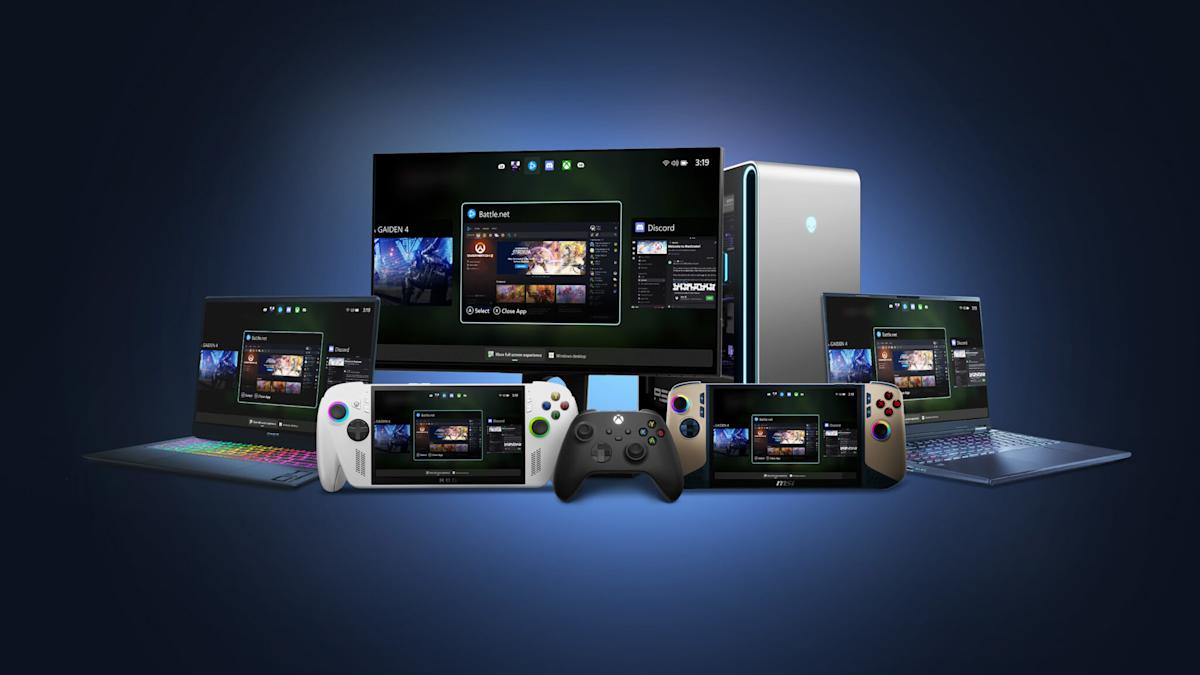
Microsoft's Full-Screen 'Xbox Mode' Arrives on Windows 11 PCs in April
Key Facts
- What: Microsoft is rolling out its full-screen "Xbox Mode" — a controller-optimized gaming interface previously known as Full Screen Experience (FSE) — to all Windows 11 devices.
- When: General availability begins in April, following earlier previews on Windows 11 Insiders and handheld PCs.
- Availability: Initially launching in select markets only; works on laptops, desktops and handhelds.
- Features: Controller-friendly library browsing, game launching, Game Bar integration, quick app switching, and an enhanced task switcher.
- Context: Designed to compete with Steam Big Picture Mode and prepare the platform for future hybrid Xbox hardware codenamed "Project Helix."
Microsoft announced today at the Game Developers Conference (GDC) that its full-screen Xbox interface, now officially named Xbox Mode, will begin rolling out to Windows 11 PCs, laptops and desktops in April. The feature, which first appeared on the ASUS ROG Ally handheld, aims to deliver a console-like, controller-optimized experience directly on Windows 11 devices and represents a significant step in Microsoft's strategy to blur the lines between PC and console gaming.
The company first debuted the full-screen Xbox experience on the ROG Ally in a clear move to challenge Steam's long-standing Big Picture Mode, which has dominated living-room PC gaming for nearly 15 years. The interface was later extended to other Windows 11 gaming handhelds last year. According to the announcement, Xbox Mode will now reach the broader Windows 11 user base, giving players the ability to browse their game library, launch titles, access the Game Bar, and switch between apps and games using a controller.
Microsoft described the feature as bringing "a controller-optimized experience to your Windows 11 device." When the feature first appeared in Windows 11 Insider builds last fall, the company highlighted that the task switcher would allow users to quickly move between games and other applications without breaking immersion — a common pain point for controller users on traditional Windows desktops.
Competitive Positioning and Hardware Strategy
Xbox Mode arrives as Microsoft continues to evolve its gaming ecosystem. Last week, Xbox CEO Asha Sharma confirmed that the company's next hardware project, codenamed "Project Helix," will be capable of playing both PC and console games. Industry observers expect this to be a Windows-based gaming PC carrying Xbox branding, effectively creating a hybrid device that benefits from the new full-screen interface.
The timing of the Xbox Mode announcement at GDC appears intentional. By bringing a console-style experience to standard Windows 11 machines, Microsoft is laying groundwork for a more unified gaming platform across handhelds, traditional PCs, and future hybrid hardware. This approach mirrors the company's broader "one Xbox" philosophy that treats PC, console, and cloud as interconnected parts of the same ecosystem.
Developer Tools and Technical Advancements
Alongside the Xbox Mode news, Microsoft shared several developer-focused updates at GDC designed to improve game performance and reduce common frustrations.
Advanced Shader Delivery (ASD), which first launched on the ROG Ally, is now being made available to all developers publishing on the Xbox store. The technology allows developers to pre-compile shaders rather than forcing the system to process them during gameplay. This should significantly reduce or eliminate the shader compilation stuttering that has plagued many modern game launches, particularly on first playthroughs when shaders are compiled in the background.
Microsoft is also enhancing its DirectStorage technology, which accelerates game loading times on NVMe SSDs. The latest update adds support for Zstandard compression and introduces a new tool called the "Game Asset Conditional Library." According to Microsoft, this library improves compression efficiency while simplifying asset conditioning across production pipelines, potentially leading to smaller install sizes and faster load times.
Additionally, the company plans to give developers a preview of how next-generation machine learning capabilities will be integrated into the DirectX gaming API. While specific details were not disclosed in the initial announcement, this signals Microsoft's intention to leverage AI and ML technologies to further enhance graphics, performance, and development workflows.
Impact on Users and the Industry
For gamers, Xbox Mode offers a more approachable way to enjoy PC games from the couch using a controller. The feature should be particularly appealing to users with handheld gaming PCs, those with living-room setups, or anyone frustrated by the traditional Windows desktop when navigating with game controllers. Because it integrates with existing Xbox services and the Game Bar, users won't need to learn an entirely new interface.
The rollout is expected to be phased, starting in select markets. Early access has already been available to Windows 11 Insiders through specific preview builds, where users needed to enroll in both the Windows Insider program and the Xbox Insider PC gaming preview.
From an industry perspective, the move reinforces Microsoft's commitment to making Windows the premier gaming operating system. By directly competing with Steam's Big Picture Mode while simultaneously improving underlying technologies like shader compilation and storage access, Microsoft is addressing both user experience and technical foundations.
The addition of these tools for developers publishing to the Xbox store could also help strengthen Microsoft's position in the PC gaming storefront battle. Better performance, fewer technical hiccups, and a more consistent experience across devices may encourage more developers to consider the Xbox platform for PC releases.
What's Next
Microsoft has indicated it will reveal more information about the future of Xbox during its GDC presentations. Further details about Xbox Mode's exact feature set, supported markets, and integration with Project Helix hardware are expected in the coming weeks.
The company has not yet published a precise April rollout date or a full list of initial markets. Users interested in early access should monitor Windows Insider channels and Xbox Insider programs.
As Microsoft continues developing its hybrid hardware strategy, Xbox Mode could become the default interface for a new generation of Windows gaming devices that function equally well as traditional PCs and console-style entertainment systems.
The convergence of these software improvements with upcoming hardware suggests Microsoft is preparing for a significant evolution in how players access and experience Xbox content across different form factors.