
The short version
The Iran war is raising big questions about tech giants' plans to build massive AI data centers in the Middle East, where they've already poured in billions of dollars. A long conflict could disrupt supplies of rare materials needed to make AI chips and drive up energy costs, slowing down new projects even if existing ones keep going. For everyday people, this might mean slower improvements in AI tools like chatbots or image generators, higher prices for gadgets, and delays in smarter apps that rely on powerful computing.
What happened
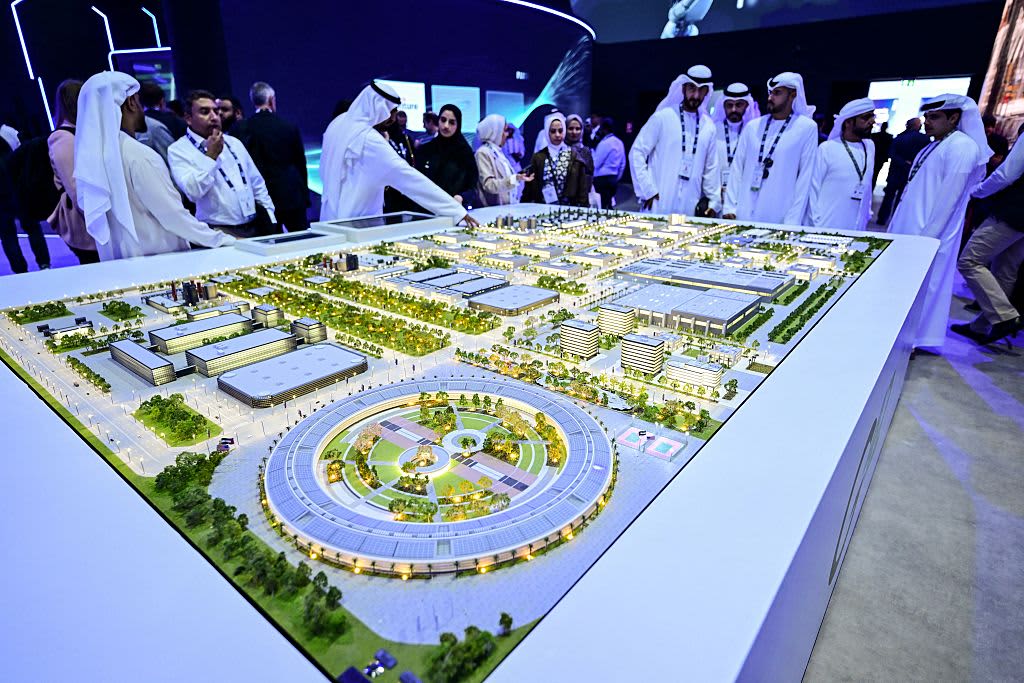
Imagine tech companies like Google, Microsoft, and Amazon as kids with huge Lego sets, racing to build the tallest towers—those towers are AI data centers, giant warehouses full of computers that power everything from ChatGPT to self-driving car brains. They've been dumping billions into the Middle East (think places like Saudi Arabia and the UAE) because it's got cheap energy, good internet connections, and governments eager for tech jobs.
But now, with the war involving Iran heating up, everything's getting shaky. Analysts are warning that if the fighting drags on, it could mess with supplies of super-rare stuff like helium (used to cool chip factories) and bromine (key for making semiconductors, the tiny brains inside all our devices). Picture trying to bake a cake without flour or eggs—the whole operation grinds to a halt. Plus, energy prices are spiking because of the conflict, and these data centers guzzle electricity like a family of elephants at a buffet. Existing builds probably won't stop cold turkey, but future ones? Big question marks.
This isn't just talk—it's based on expert chats with CNBC, pointing to real risks in the supply chain for chips and power that keep AI growing.
Why should you care?
AI isn't some sci-fi gadget; it's already in your pocket. It helps your phone suggest texts, powers Netflix recommendations, spots fraud on your bank app, and even assists doctors with diagnoses. These Middle East data centers are part of a global race to make AI bigger, faster, and smarter—handling more complex tasks without crashing.
If the war slows this buildout, AI progress could hit potholes. Think slower updates to tools like Google Gemini or Midjourney, where waiting for a response feels like dial-up internet days. Chip shortages might make your next phone or laptop pricier or harder to find, just like during the pandemic. And higher energy costs? They trickle down—your streaming service or cloud storage bill might nudge up, or AI features in apps could lag behind.
For regular folks, it's personal: Will your virtual assistant get dumber? Will electric cars take longer to improve? In a world where AI is fixing traffic jams, personalizing shopping, and even helping with homework, any slowdown affects how smoothly life runs.
What changes for you
Right now, nothing dramatic flips overnight—your apps won't vanish. But watch for these practical ripples:
-
Slower AI upgrades: New data centers mean more power for advanced features, like real-time video editing or hyper-accurate voice translation. Delays could push back when your phone's AI camera gets even better at low-light shots.
-
Gadget prices creep up: Memory chips (for storing AI data) might get scarcer and costlier if data center demand dips then rebounds weirdly. That means a new iPhone or gaming laptop could cost $50-100 more.
-
Bills might rise subtly: Higher energy prices in the region affect global markets. Cloud services (what runs most online stuff) could pass on costs, adding pennies to your monthly Spotify or Google Drive tab—but it adds up.
-
Regional perks delayed: Middle Eastern countries were betting on these centers for jobs and tech hubs. Slowdowns might mean less innovation spillover, like cheaper AI tutors tailored for non-English speakers.
If the war stays short, business as usual. But prolonged? Expect headlines about "AI growth pauses," and feel it in pocketbook pinches or app frustrations.
Frequently Asked Questions
Will this stop AI like ChatGPT from working?
No, not at all—existing data centers worldwide (mostly in the US and Europe) keep things humming. This is about future growth in the Middle East, so your daily chats with AI stay fine. A long war might just mean slower rollouts of fancier versions.
Why the Middle East for AI data centers?
It's like picking a sunny spot for solar panels: cheap, reliable energy from oil and gas, plus fast internet cables under the sea. Governments there offer tax breaks and land, making it cheaper than building in crowded California.
How does a war halfway around the world affect my phone?
Wars disrupt global shipping lanes and factories. Helium and bromine come from that region; shortages mean fewer chips produced, which hits everything from smartphones to car computers. It's a domino effect—less supply, higher prices everywhere.
Is this a big deal or just hype?
Moderately big (experts rate it 7/10). Current projects continue, but prolonged fighting could shave months or years off AI expansion plans. We've seen supply crunches before (like COVID chip shortages), so it's worth watching for your wallet.
When will we know more?
No firm timeline—depends on how the war plays out. Analysts say check energy prices and chip stock reports in the coming months. If hostilities drag into summer 2026, expect clearer impacts on tech earnings calls.
The bottom line
The Iran war isn't derailing AI today, but it's a yellow light on the hyperspeed buildout of data centers in the Middle East, potentially disrupting chip supplies and jacking up energy costs for months or years. For you, that translates to possible delays in cooler AI features, pricier devices, and subtle bill increases—reminding us how interconnected our tech toys are with world events. Stay tuned to energy news; if things calm down quick, it's back to business. In the meantime, appreciate your current AI perks—they might feel extra precious if growth hits a bump.
(Word count: 842)