
The short version
Grammarly, the popular writing helper app owned by Superhuman, launched an AI tool called Expert Review that gave writing feedback pretending to come from famous real writers and experts—like scientists, authors, or journalists—without their permission. After backlash from upset writers whose names were used, Superhuman disabled the feature while they rethink it. For everyday users, this means one less gimmicky AI option in Grammarly for now, but your basic spell-check and editing tools are unchanged.
What happened
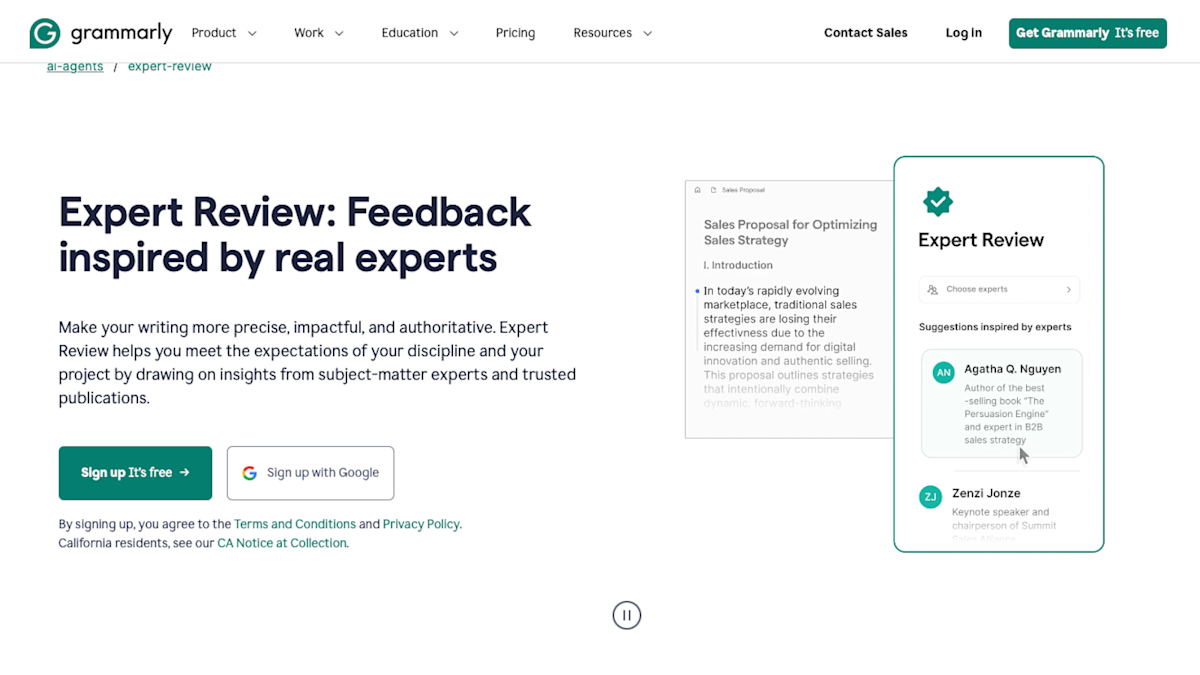
Imagine you're using Grammarly to polish an email or report, and it pops up advice like, "Carl Sagan suggests making this clearer," or "Tech blogger Kara Swisher says add more punch." That's what Expert Review did. It was an AI feature that scanned your writing, picked a relevant "expert" based on the topic (dead or alive), and generated feedback mimicking their style—using public info pulled from the web by AI language models.
The catch? These real people—like bestselling authors, journalists, or even The Verge staff—had no idea and didn't agree to it. Tech journalist Kara Swisher was furious, calling it out publicly. Grammarly first tried letting experts "opt out," but that didn't fix it for everyone, especially those who didn't know or the deceased. Now, Superhuman's CEO announced on LinkedIn they're shutting it down to "reimagine" it, aiming to give experts real control over if or how they're featured. It's like a band that played a neighbor's favorite song without asking—fun at first, but complaints shut down the show.
This isn't Grammarly's first AI rodeo; they have other generative AI tools for rewriting text. But Expert Review crossed a line by slapping real names on fake advice, sparking ethical debates about AI "impersonation."
Why should you care?
AI tools like Grammarly make writing easier for emails, resumes, or social posts—saving time and embarrassment. But when they borrow real people's identities without permission, it erodes trust. If companies can fake "expert" advice, how do you know what's genuine? For you, it matters because writing apps are everywhere (think Gmail, Word, or browsers), and sloppy AI ethics could lead to misinformation in your work or bad habits from unreliable tips.
Personally, it hits if you're a student crediting "expert" feedback in essays, a professional polishing client emails, or just someone fighting autocorrect fails. Reliable tools boost confidence; dodgy ones waste time or make you look uninformed. Plus, this backlash shows writers and creators are pushing back, which could make future AI smarter about respecting people—meaning better, less creepy features down the line.
What changes for you
Not much right away—your core Grammarly experience stays the same. You can still highlight text for AI rewrites, use the lightbulb icon for suggestions, or open the side panel in supported apps like docs or browsers. Expert Review is just gone while they rework it.
If you loved the "expert" angle for inspiration (like getting Stephen King-style fiction tips), you'll miss it temporarily. No word on a replacement timeline, but the CEO wants experts to opt in for "deeper relationships with fans," so it might return more ethically. Costs? Grammarly's plans (free basic, paid premium) aren't changing. Apps won't break—it's one feature disabled.
For regular folks: Keep using Grammarly as usual for grammar, clarity, and AI tweaks. Just skip assuming advice is from real experts. If you're a writer whose name popped up, check for opt-out options (though it's paused). Broader ripple? Other apps might tighten rules on using real names, making AI feedback more generic but trustworthy.
Frequently Asked Questions
### What was Expert Review supposed to do?
Expert Review was an AI add-on in Grammarly that analyzed your writing and gave feedback "inspired by" a real expert matched to your topic—like a scientist for research or an author for stories. It used public web data to mimic their voice, but added a disclaimer it wasn't an endorsement. Now it's disabled due to permission issues.
### Is my Grammarly still safe and useful without this feature?
Yes, absolutely—Grammarly's main tools for checking grammar, spelling, tone, and basic AI rewrites work fine. You access generative AI the same ways: highlight text, click the green lightbulb, or use the side panel. This was just one experimental feature, so daily use feels unchanged.
### Why did writers get so mad about it?
Writers felt their identities and styles were stolen without consent—like AI putting words in their mouths for profit. Living experts like Kara Swisher called it theft; even dead ones like Carl Sagan couldn't complain. Opt-out helped some, but not all, leading to the shutdown.
### Will Expert Review come back, and how will it be different?
Superhuman paused it to "reimagine" with real expert control—maybe opt-ins where they approve representation or build fan connections. No timeline yet, but it promises to be more useful and respectful. If it returns, expect clearer labels on what's AI-generated.
### Does this affect other AI writing tools I use?
Not directly—this is Grammarly-specific. But it highlights growing scrutiny on AI impersonation, so tools like those in Google Docs or Microsoft Editor might add better safeguards. Your apps won't change overnight, but ethical pressure could lead to more transparent features.
### Is Grammarly free, or do I need to pay for AI features?
Grammarly has a free version for basic checks; premium (paid) unlocks advanced AI like rewrites and now-disabled Expert Review. Check support pages for access in your product—it's available in browsers, apps, and docs if you're on a supported plan.
The bottom line
Grammarly's Expert Review was a cool idea gone wrong—AI feedback dressed as real expert wisdom without permission—leading to quick disablement after writer uproar. For you, it's business as usual with Grammarly's reliable editing, but a reminder to question flashy AI claims. This win for creators could push the industry toward honest tools that actually help without the tricks, keeping your writing apps trustworthy and drama-free. Watch for updates; ethical AI is evolving fast.
Sources
- Engadget: Grammarly has disabled its tool offering generative-AI feedback credited to real writers
- The Verge: Grammarly says it will stop using AI to clone experts without permission
- Futurism: Grammarly Is Pulling Down Its Explosively Controversial Feature That Impersonates Writers Without Their Permission
- TechBuzz: Grammarly Kills AI Expert Cloning Feature After Backlash
- Yahoo Tech: Grammarly Disables AI 'Expert Review' After Backlash From Authors and Journalists