
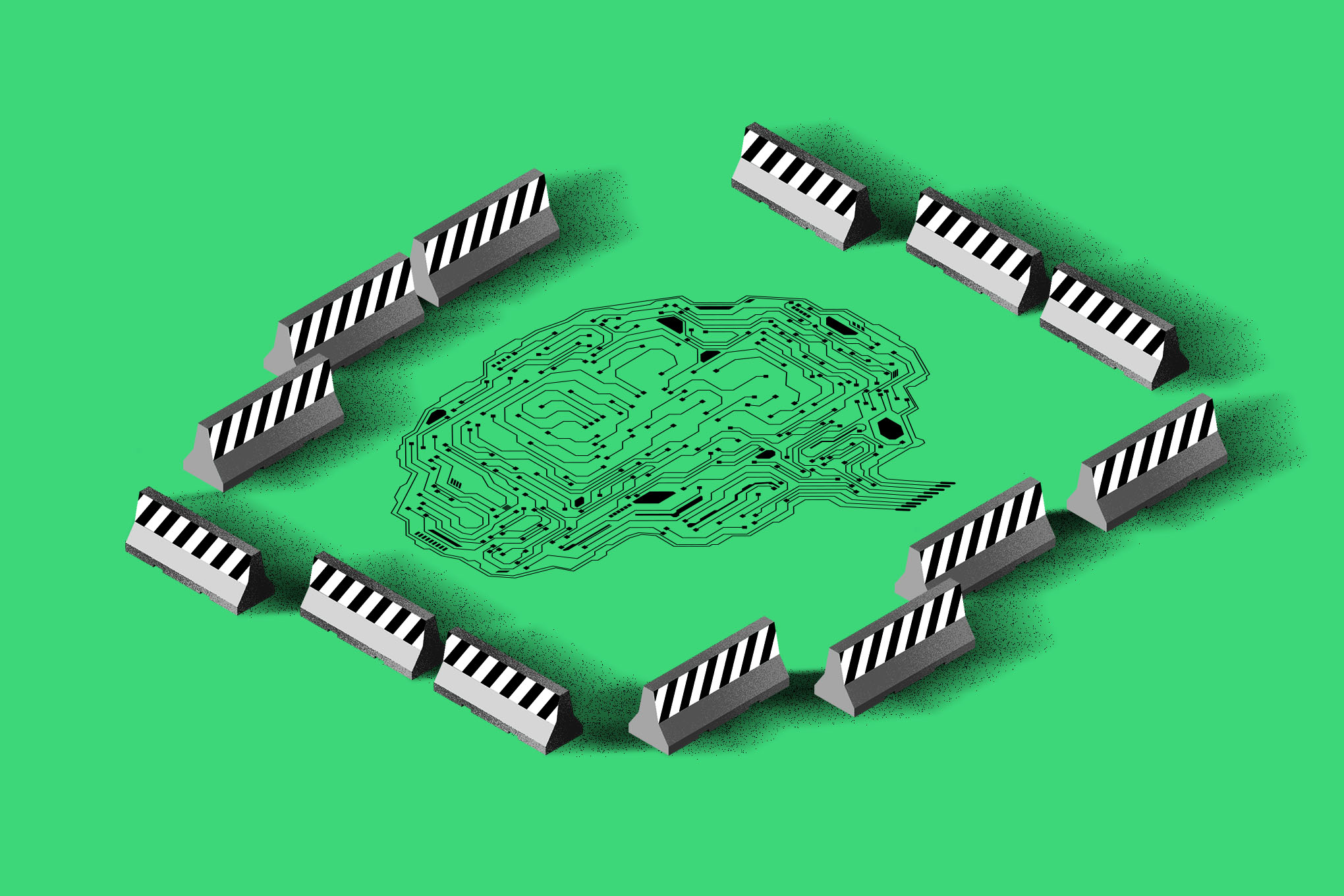
Anthropic Launches Think Tank Amid Pentagon Blacklist Battle
Key Facts
- What: Anthropic is launching the Anthropic Institute, a new internal think tank combining three existing research teams to study AI’s large-scale societal, economic and safety implications.
- When: Announced Wednesday, March 11, 2026, just days after Anthropic sued the Trump administration over its Pentagon supply-chain risk designation.
- Leadership: Co-founder Jack Clark moves from head of public policy to head of public benefit to lead the institute; Sarah Heck takes over the public policy team.
- Initial Size: Starts with about 30 staff, including high-profile researchers from Google DeepMind, University of Virginia and OpenAI; Clark expects staff to double annually.
- Context: Launch occurs during ongoing legal fight that could put hundreds of millions to billions in 2026 revenue at risk.
Anthropic is launching a new think tank called the Anthropic Institute as it battles the Pentagon over a supply-chain risk designation that threatens its government-related business. The institute will consolidate three research teams to examine AI’s broader effects on jobs, economies, safety, values and human control. Co-founder Jack Clark, previously head of public policy, will lead the effort in a newly created role as head of public benefit.
The announcement comes at a turbulent moment for the AI company. Anthropic sued the U.S. government days earlier after being blacklisted as a supply-chain risk, a move that requires defense contractors to certify they are not using Anthropic’s Claude models in Pentagon-related work. The company alleges the designation was retaliation for setting “red lines” against mass domestic surveillance and fully autonomous lethal weapons.
In an interview with The Verge, Clark said the institute’s launch had been planned for months and was not a direct response to the Pentagon conflict. “It’s never dull working in AI here at Anthropic — there’s always something going on,” he said. “The pace of AI progress isn’t slowing itself down for external events, and neither are we.”
Institute Focus and Structure
The Anthropic Institute merges the company’s societal impacts team, frontier red team and economic research team. Its mandate is to investigate large-scale questions such as the effects of AI on employment and economies, whether the technology makes society safer or introduces new risks, how AI values could influence human values, and whether humans can maintain control over advanced systems.
Founding members include Matt Botvinick, formerly of Google DeepMind, who will lead a new team studying AI’s impact on the legal system; Anton Korinek, an economics professor on leave from the University of Virginia; and Zoe Hitzig, who recently left OpenAI following its decision to introduce ads in ChatGPT. Hitzig and Korinek will oversee major economic research projects.
The institute begins with roughly 30 people and plans to incubate additional specialized teams. Clark told The Verge he expects the headcount to double every year for the foreseeable future.
The move also includes internal leadership changes. Sarah Heck, formerly head of external affairs, will now lead the public policy team, which tripled in size during 2025. That team will continue focusing on national security, AI infrastructure, energy policy and “democratic leadership in AI.” Anthropic is also opening a new office in Washington, DC.
Timing and Pentagon Dispute
While Clark said the institute’s research agenda was developed prior to the recent conflict, he acknowledged that the Pentagon situation has reinforced the need for greater public transparency. “What we’re experiencing with the last few weeks just sort of shows you how much hunger there is for a larger national conversation by the public about this technology,” he said.
The blacklist stems from Anthropic’s public positions on acceptable AI use cases. Court filings indicate the designation could jeopardize hundreds of millions of dollars in 2026 revenue in the baseline case, with potential losses reaching multiple billions in the most severe interpretation. The company reported more than $5 billion in all-time commercial revenue and has spent $10 billion on model training and inference to date.
Anthropic’s lawsuit seeks to vacate the supply-chain risk designation and requests a stay on the action. The complaint notes that numerous business partners have expressed confusion and concern, with dozens of companies contacting Anthropic for guidance on compliance and termination rights.
Company Background and Industry Pressure
Anthropic, known for its constitutional AI approach and safety-focused messaging, has nevertheless pursued significant defense-related partnerships, including work with the Pentagon and Palantir. The current dispute highlights tensions between the company’s stated principles and its commercial and government relationships.
The launch arrives as high-valuation AI companies face increasing scrutiny. Anthropic reportedly plans to go public this year, adding pressure to demonstrate both responsible development and financial resilience amid regulatory and government challenges.
The institute’s formation reflects a broader industry trend of AI companies investing in dedicated research on societal impacts. By combining red teaming, economic analysis and societal impact studies under one umbrella, Anthropic aims to produce more integrated research on the technology’s long-term consequences.
Impact on Developers, Users and the AI Industry
For developers and enterprises using Claude models, the Pentagon designation creates immediate uncertainty. Companies working with the Department of Defense must now navigate certification requirements or risk compliance violations. The situation has already prompted partner outreach seeking clarity on permissible uses.
The think tank’s work could influence future AI policy discussions. By focusing on concrete questions around economic displacement, safety risks and control mechanisms, the institute may generate research that shapes both public debate and regulatory approaches to advanced AI.
Clark’s transition from public policy to leading the institute signals Anthropic’s increased emphasis on public benefit and long-term societal research. The public policy team’s continued growth and new Washington office suggest the company remains committed to engaging with government on AI governance issues despite the current legal fight.
What’s Next
Clark indicated the institute’s research agenda remains on track despite external events. With plans for rapid staff growth, the group is expected to produce studies on AI’s economic effects, legal implications and broader societal risks in the coming months.
The outcome of Anthropic’s lawsuit against the government will likely determine the extent of any revenue impact. A resolution could either ease restrictions on defense contractors’ use of Claude or lead to further escalation in the company’s dispute with the Trump administration.
The launch of the Anthropic Institute adds another voice to the growing ecosystem of organizations studying AI’s societal implications. How its research influences policy and public understanding of AI risks and benefits will be closely watched by industry observers, policymakers and competitors.
Sources
- The Verge - Anthropic is launching a new think tank amid Pentagon blacklist fight
- CNBC - Anthropic sues Trump administration over Pentagon blacklist
- The Guardian - How AI firm Anthropic wound up in the Pentagon’s crosshairs
- The New York Times - Opinion | The Future We Feared Is Already Here
- The Hill - Anthropic clash with Pentagon fuels government surveillance fears