
The short version
Niantic Spatial, a company spun off from Pokémon Go creators Niantic, is using billions of photos taken by Pokémon Go players to train AI that helps robots know exactly where they are—even in GPS-dead zones like city streets with tall buildings. This tech is now powering Coco Robotics' delivery bots, which carry pizzas and groceries, to navigate more reliably and arrive on time. For you, it means quicker food deliveries without the frustration of late orders, and it could soon make all kinds of robot services—like packages or meds—way more dependable in everyday urban life.
What happened
Imagine you're playing Pokémon Go, chasing a shiny Pikachu down a busy street. You point your phone at buildings, parks, and landmarks to "catch" it in augmented reality—the game overlays digital Pokémon on the real world. Over the years, hundreds of millions of players did this worldwide, snapping billions of photos (30 billion, to be exact) tagged with super-precise location details, like exactly where you stood, which way you faced, the time of day, and even the weather.
Niantic, the company behind Pokémon Go (and an earlier game called Ingress), collected all that data. Last year, they spun out a new company called Niantic Spatial to turn it into something bigger: a "world model" powered by AI. Think of it like giving robots eyes that recognize city spots as well as you do. Their latest tool looks at just a few photos from a robot's camera and pinpoints its spot on a map within a few centimeters—accurate enough to know not just the block, but which side of the street and what direction it's facing.
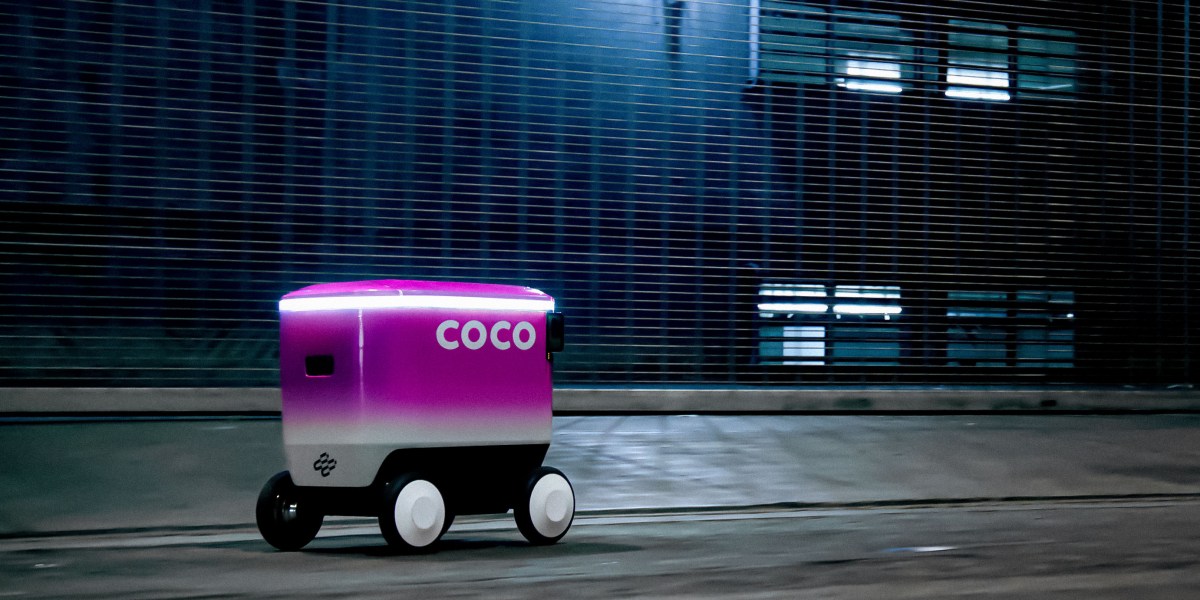
The first real-world test? Partnering with Coco Robotics, a startup with 1,000 pizza-and-grocery-carrying bots rolling through cities like Los Angeles, Chicago, Miami, Jersey City, and Helsinki. These bots have already done over half a million deliveries, covering millions of miles at a walking pace (about 5 mph). But GPS often fails them in "urban canyons"—dense areas with skyscrapers where signals bounce around, making your phone's blue dot jump 50 meters to the wrong street. Niantic's tech steps in like a backup GPS using eyesight: it matches what the robot sees to the massive photo library from players, keeping deliveries on track.
It's the same smarts that made Pokémon run realistically in the game—now applied to real robots dodging sidewalks and underpasses. Niantic has over a million "hot spot" locations worldwide (like Pokémon gyms) with thousands of photos each from different angles and conditions, making the AI robust.
Why should you care?
This isn't just a tech trick for gamers—it's fixing a huge headache for anyone ordering food or goods online. Late deliveries suck: your pizza gets cold, dinner plans flop, or you pay extra for "rush" that doesn't rush. GPS glitches in cities mean robots (and even human drivers) waste time circling blocks, driving up costs or causing delays.
For everyday folks, reliable robot delivery could slash wait times, cut delivery fees (fewer mistakes mean cheaper operations), and expand services to tricky spots like apartment complexes or busy downtowns. It's a step toward robots handling more chores, freeing you from errands—imagine hot pizza or groceries showing up exactly when promised, rain or shine. Plus, as this tech spreads, your phone apps might get better location smarts too, like never missing a turn in rideshares or finding lost items faster.
What changes for you
Right now, if you order from services using Coco's bots (check apps in their cities), expect pizzas or grocery bags arriving more punctually—no more "stuck in traffic" excuses from sidewalk robots. Over time, this could roll out wider: faster Amazon packages, medicine drops for the elderly, or even library books at your door.
Your Pokémon Go habit? It unknowingly helped build this—players crowdsourced the world's best city photo map without realizing. No app changes needed; it's all behind the scenes. Costs might drop as robots compete better with humans (Coco aims to match courier reliability). And for privacy fans, it's worth noting: the data was collected via the games you chose to play, turned into anonymized AI training—no peeking at personal photos.
In broader terms, robots could become as common as delivery vans, but smarter and greener (no idling cars). Your daily life gets a convenience boost: order dinner at 6 PM, eat at 6:20 PM, every time.
Frequently Asked Questions
### Is this already changing my food deliveries?
Yes, in cities like LA, Chicago, Miami, Jersey City, and Helsinki where Coco Robotics operates. Their 1,000 bots are now using Niantic's tech for better navigation, meaning more on-time pizza and grocery drops. If you're elsewhere, it's coming—expect wider rollout as it proves out.
### Did Pokémon Go players know their photos were used for this?
Not explicitly for robots—no one told players upfront that game photos would train AI for delivery bots. But by playing, you agreed to Niantic's terms allowing data use for mapping and AR improvements. It's anonymized (no personal info), and it's made the games' world feel real.
### How accurate is this compared to regular GPS on my phone?
Way better in cities: Niantic's system gets within centimeters using building photos, while GPS drifts up to 50 meters in tall-building areas. It's like switching from a blurry map to a crystal-clear one—robots (and potentially your apps) won't send you to the wrong block anymore.
### Will this make deliveries cheaper or more expensive?
Likely cheaper long-term. Reliable robots cut delays and errors, letting companies charge less to compete with humans. Coco's bots already handle eight pizzas per trip; precise navigation means more deliveries per hour, passing savings to you.
### Can I use this tech in my own apps or devices?
Not directly yet—it's for robots and spatial AI. But Niantic wants it for any device needing real-world smarts, like AR glasses or self-driving cars. Your phone's maps might indirectly benefit as this "visual positioning" tech improves urban navigation everywhere.
The bottom line
Pokémon Go turned players into accidental map-makers, and now Niantic Spatial is unleashing that power to make robot deliveries as reliable as a pro courier—no more GPS fails ruining your night. You win with faster, cheaper food and goods at your door, especially in cities, paving the way for robots to handle more daily tasks without the drama. Play the game guilt-free; your hunts are upgrading the real world, one precise pizza at a time.