
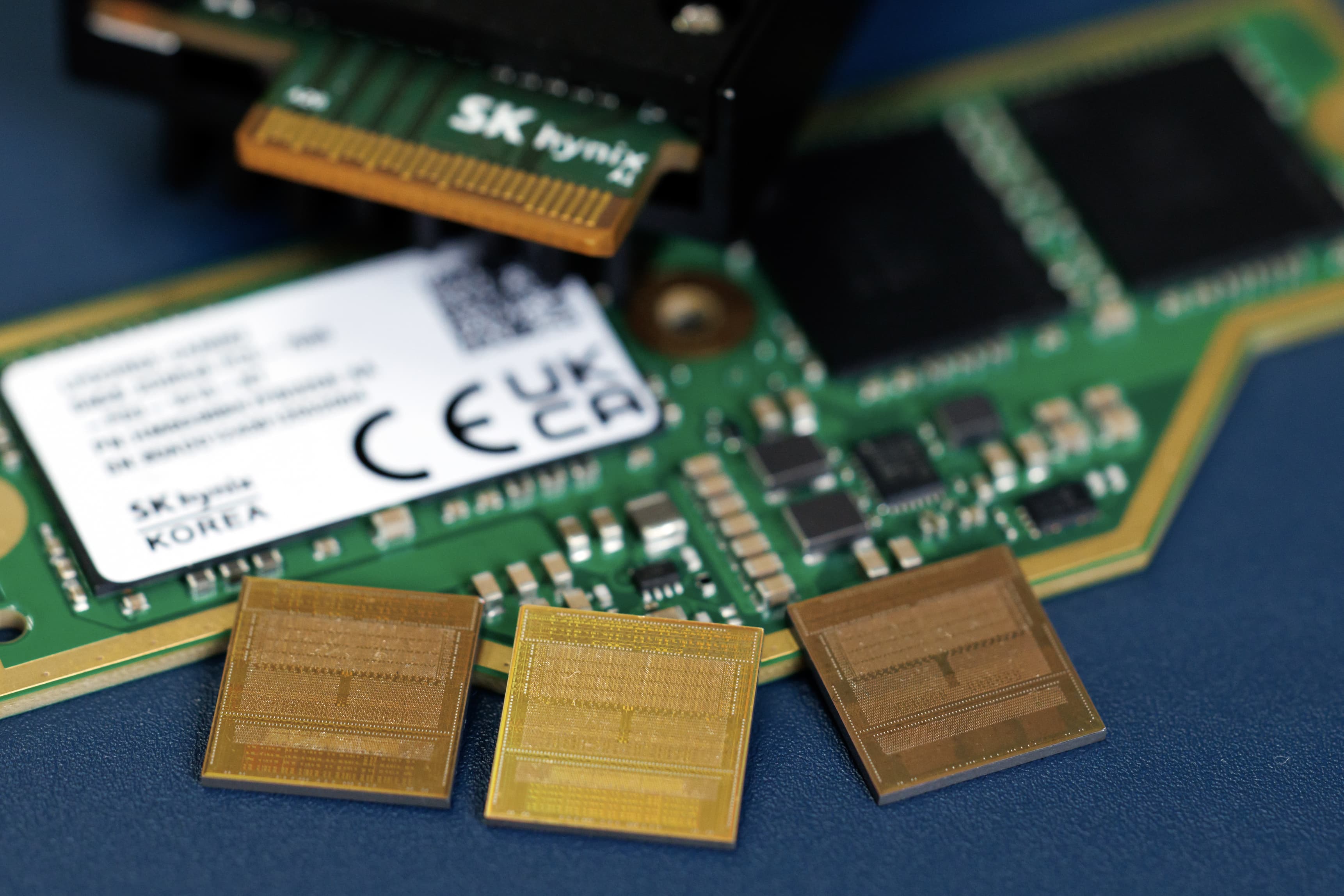
Iran War and Rising Energy Prices Threaten Semiconductor Demand, Industry Warns
Key Facts
- A prolonged U.S.-Israel conflict with Iran risks disrupting supplies of key chipmaking materials and driving up energy costs for semiconductor production.
- Higher memory prices combined with elevated operating costs could prompt data center operators to cut capital spending and reduce semiconductor demand.
- South Korean industry representatives warned that extended fighting would likely increase semiconductor production costs and lead to higher chip prices.
- The potential supply chain instability comes as the AI sector continues aggressive expansion of data centers that rely heavily on memory chips and massive amounts of electricity.
- Even absent the conflict, experts already question whether tech companies can manage rapidly rising electricity prices for AI infrastructure.
Lead paragraph
A prolonged war involving the U.S. and Israel against Iran could trigger shortages of critical materials used in semiconductor manufacturing while simultaneously pushing energy prices higher, threatening both chip production costs and overall demand for semiconductors, industry sources warned. The conflict's impact on global supply chains and electricity markets poses particular risks to the memory chip sector that underpins AI data center expansion. According to analysts and South Korean industry representatives, customers operating data centers may respond to rising costs by reducing capital expenditures, creating a potential slowdown in semiconductor demand.
Body
The semiconductor industry is highly sensitive to disruptions in both raw materials and energy supply. Certain specialty gases, metals and chemicals essential for chip fabrication are sourced from or transit through regions now affected by the escalating conflict. A sustained war raises the prospect of direct supply interruptions or significant price spikes for these inputs, according to multiple reports citing industry concerns.
Energy represents one of the largest operating expenses for both semiconductor fabs and the data centers that consume the resulting chips. South Korean industry representatives have specifically warned that a prolonged conflict could push energy prices higher, likely leading to elevated semiconductor production costs and potentially higher chip prices overall, as reported by WIRED.
Analyst concerns center on the memory chip market in particular. Memory chips — including DRAM and NAND — are critical components in AI training and inference systems. Data center operators have been on a massive building spree to support generative AI workloads that require enormous quantities of high-bandwidth memory.
"Therefore, if memory prices continue to rise due to supply chain instability while energy-driven operating costs also climb, customers operating data centers may reduce their capital spendings and semiconductor demand," Hwang told CNBC.
The timing of these risks is particularly challenging for the industry. Major technology companies have committed billions of dollars to AI infrastructure, promising rapid scaling of data center capacity. However, even before the current geopolitical tensions, energy market experts expressed doubt that the tech sector's promises could keep pace with fast-rising electricity prices, according to POLITICO reporting.
Impact
The potential convergence of higher chip prices and higher operating costs creates a difficult equation for data center operators. If both capital costs (driven by more expensive memory) and operating costs (driven by energy prices) increase simultaneously, some hyperscalers and cloud providers may choose to slow their expansion plans rather than absorb the full impact on their balance sheets.
This scenario would represent a significant departure from the explosive growth the semiconductor industry has experienced over the past several years, fueled largely by AI investment. Memory manufacturers such as Samsung, SK Hynix and Micron have benefited enormously from AI-driven demand for high-capacity, high-bandwidth memory solutions.
Higher production costs could also flow through to end customers, potentially slowing adoption of AI technologies across enterprises and consumers. The chip industry already operates on thin margins in many segments, meaning sustained cost increases would likely be passed along in the form of higher prices.
The situation also highlights the semiconductor sector's vulnerability to geopolitical events in the Middle East, despite the industry's heavy concentration in East Asia and the United States. Global supply chains for both materials and energy remain interconnected in ways that can transmit shocks rapidly across borders.
What's Next
Industry observers will be closely monitoring the duration and intensity of the conflict for signs of actual supply disruptions. Short-term price volatility in energy and specialty materials markets is already expected, with longer-term impacts depending on how the situation evolves over the coming months.
Semiconductor companies and their customers may accelerate efforts to diversify supply chains for critical materials and seek alternative energy sources for both manufacturing and data center operations. However, such transitions typically require years rather than months to implement at scale.
The AI industry's growth trajectory could face its first significant headwinds if the predicted reduction in capital spending materializes. While current demand for AI-related chips remains strong, a sustained period of higher costs could force some projects to be delayed or scaled back.
For now, the industry remains in a watchful posture as the geopolitical situation develops. Companies are likely assessing their inventory positions for critical materials and modeling various energy price scenarios in their forward planning.
The episode serves as a reminder that even as the semiconductor industry becomes increasingly central to technological progress and economic growth, it remains subject to traditional geopolitical and commodity market risks that can emerge suddenly and with limited warning.
Sources
- How the Iran war and rising energy prices are threatening semiconductor demand
- US-Israel War On Iran Puts Global Chip Supply and AI Expansion at Risk | WIRED Middle East
- Iran war may disrupt supply of semiconductor materials
- The War on Iran Puts Global Chip Supplies and AI Expansion at Risk | WIRED
- Trump wants to ease voters’ worries on data center costs. Iran may get in his way. - POLITICO