
The short version
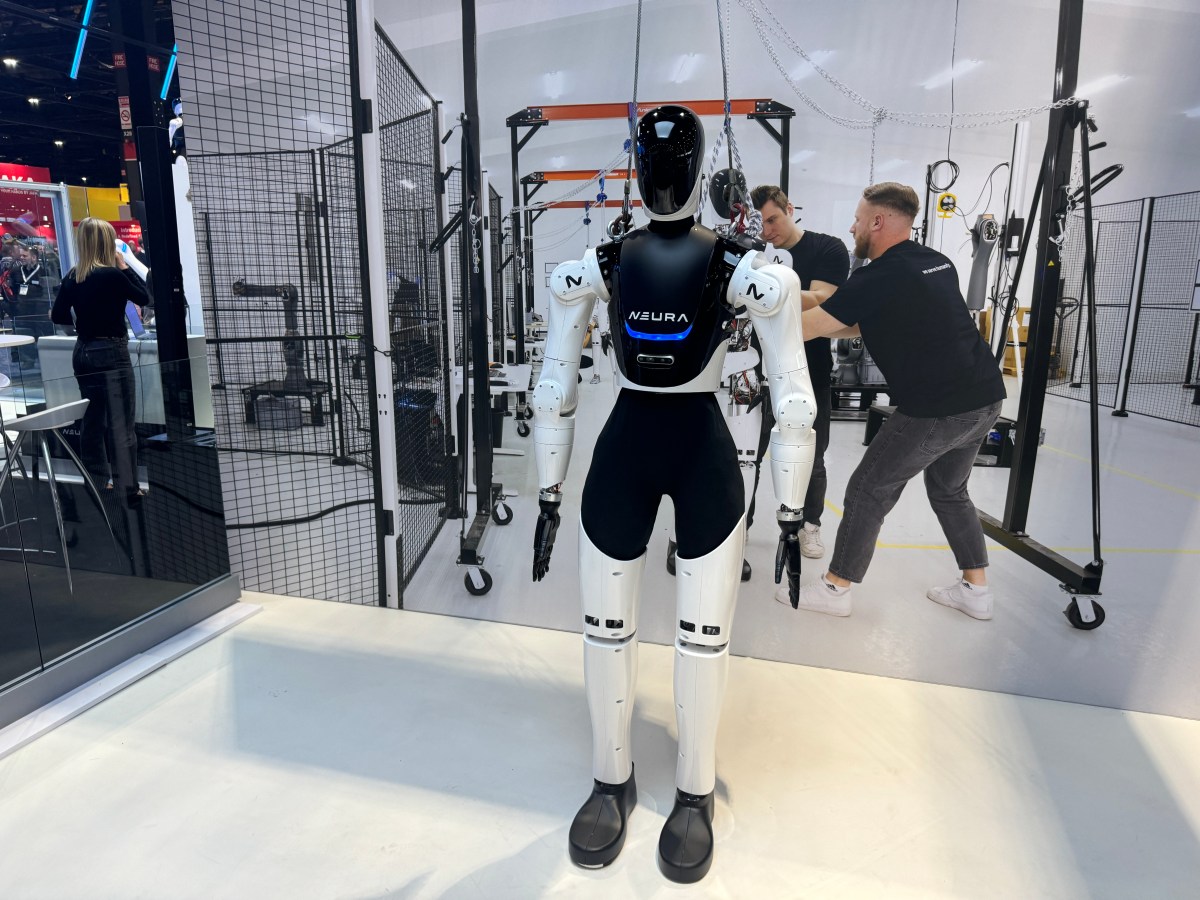
Qualcomm, a big maker of computer chips, has partnered with Neura Robotics, a German startup building smart robots, to create the "brain and nervous system" for next-generation robots that can think and act like humans in real life. They're using Qualcomm's special Dragonwing IQ10 processors and Neura's testing software to speed up robots for homes and factories. This is part of a wave of deals that could bring helpful robots into everyday life sooner, making chores easier and work safer for regular people.
What happened
Imagine robots not just as stiff factory machines, but as helpful buddies that can vacuum your floor, fold laundry, or sort warehouse boxes while chatting with you. That's the goal of "physical AI"—robots powered by artificial intelligence that move and decide in the real world, like a smart pet that learns tricks on the fly.
Qualcomm, the company behind the speedy chips in your phone, announced a partnership on March 9, 2026, with Neura Robotics, a young German firm specializing in these brainy bots. No specific robot models were named yet, but Neura will use Qualcomm's Dragonwing IQ10 processors—these are like super-efficient brains designed for walking, rolling, or humanoid robots—as the blueprint for their machines. Neura's Neuraverse platform, a virtual playground released in June 2025, lets them test and tweak these robots digitally before building them, kind of like practicing a video game level to get it perfect.
Neura's CEO called it a "major step" toward robots that are open (easy for others to build on), scalable (can be made in big numbers cheaply), and trusted (safe around kids and coworkers). This isn't a one-off; it's a trend. Just like Boston Dynamics teamed up with Google DeepMind in January to supercharge their Atlas humanoid robot with AI smarts, robotics startups are linking arms with chip and software giants. Why? Startups handle the robot bodies and software "minds," while big players like Qualcomm provide the raw power. It's like a chef (Neura) borrowing a pro kitchen (Qualcomm's chips) to whip up meals faster and better.
The article hints this is "just the beginning," with companies like Nvidia eyeing the same "physical AI" boom. Instead of buying chips off the shelf, these partnerships let everyone tweak tech together, solving tough puzzles like making robot hands grab eggs without crushing them.
Why should you care?
Right now, robots are mostly hidden in factories, but physical AI could put them in your home or nearby workplace within a few years. Think less time scrubbing floors or lifting heavy boxes at your job—robots handle the boring or dangerous stuff, freeing you for fun or creative work. Costs might drop as partnerships make production cheaper and faster, just like smartphones got affordable through team-ups between chip makers and phone brands.
For everyday folks, this means smarter helpers: a robot that learns your cleaning habits, or one at the store that fetches items without errors. But it also raises "so what?" questions like job shifts (some repetitive tasks go robotic) balanced by new roles in robot care or programming. Safer factories could mean fewer injuries for workers, and home robots might help elderly family members live independently longer.
What changes for you
Practically, nothing flips tomorrow—no robot butler at your door yet. But expect these ripples soon:
-
Home life: In a few years, affordable humanoid robots could do laundry, cook simple meals, or watch kids/pets, saving you hours weekly. Neura aims for "domestic settings," so picture a bot that navigates your messy kitchen like a cautious roommate.
-
Work and shopping: Factories and warehouses get humanoid helpers for heavy lifting, reducing accidents and speeding deliveries to your door. Your Amazon packages arrive faster and cheaper.
-
Costs and access: Partnerships like this cut development time and money, so robots won't cost a fortune like early Roomba vacuums did. Qualcomm's edge AI (brains that think fast without cloud internet) means robots work reliably even in spotty Wi-Fi spots, like rural homes.
-
Safety first: They're focusing on "trusted" bots that play nice with humans, tested in virtual worlds to avoid real-world oopsies.
If you're in manufacturing or retail, your boss might demo these soon; for consumers, watch for robot demos at stores like Best Buy by 2027-2028.
Frequently Asked Questions
### What is "physical AI," and how is it different from chatbots like ChatGPT?
Physical AI is robots that use brainpower to move, sense, and decide in the real world, like a vacuum that dodges toys or a warehouse bot that stacks boxes. Chatbots like ChatGPT just talk via text or voice—they're all brain, no body. This partnership builds the hardware muscle so AI can act physically, bringing sci-fi helpers closer to reality.
### Will these robots be in my home soon, and how much will they cost?
No specific timeline or prices were announced, but the goal is real-world deployment in homes and factories. Partnerships like this speed things up, so basic home robots might hit markets in 2-5 years, starting at a few thousand dollars—like a high-end appliance that pays for itself by saving time. It's not confirmed yet, but expect demos soon.
### Are these robots safe to have around kids or at work?
Yes, safety is a big focus—they're testing for "trusted" operation alongside humans using virtual simulations. Qualcomm's chips handle quick decisions, like stopping before bumping into you, and Neura emphasizes cognitive smarts for safe interactions. Think of it like self-driving car tech, but for walking bots.
### Will robots take my job?
Not wholesale— they target dull, dirty, or dangerous tasks like cleaning or heavy lifting, creating new jobs in robot setup, maintenance, or oversight. For example, warehouse workers might shift to directing bots instead of hauling boxes. The article suggests faster scaling helps everyone adapt.
### How is this different from other robot companies like Boston Dynamics?
Boston Dynamics partners with Google for AI "thinking" models to boost their Atlas robot, while Neura + Qualcomm focuses on chip "brains" for a range of bots. Both speed up real-world use, but Qualcomm's edge on hardware power (fast, low-energy chips) could make Neura's robots cheaper and more widespread.
The bottom line
This Qualcomm-Neura deal is a signpost: robots are evolving from movie props to practical helpers, thanks to team-ups between chip whizzes and robot builders. For you, it promises less drudgery at home or work, safer environments, and time for what matters—though we'll watch for fair job transitions. Keep an eye on CES or TechCrunch Disrupt for the next reveals; physical AI could redefine "lazy day" sooner than you think. Exciting times ahead, friend—your future robot sidekick might be powered by this exact collab.
Sources
- TechCrunch: Qualcomm’s partnership with Neura Robotics is just the beginning
- Qualcomm News: NEURA Robotics and Qualcomm Enter Strategic Collaboration
- The AI Insider: Neura Robotics and Qualcomm Enter Strategic Collaboration
- RoboticsTomorrow: NEURA Robotics and Qualcomm Enter Strategic Collaboration
(Word count: 912)