
The short version
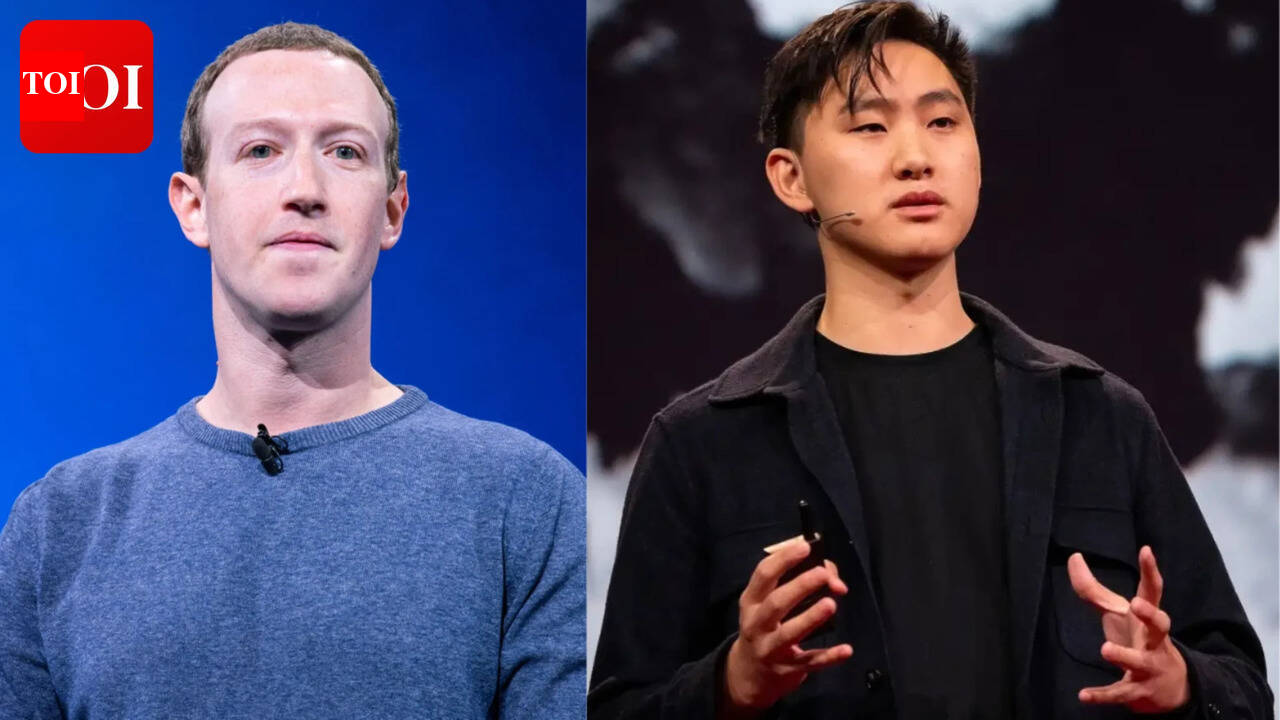
Meta CEO Mark Zuckerberg is creating a new "applied AI engineering company" inside Meta to speed up the company's race toward superintelligence—AI that's smarter than humans at almost everything. This involves reorganizing key AI teams, moving some away from oversight by Alexandr Wang (Meta's highest-paid employee and former Scale AI CEO), and splitting work into specialized groups. For everyday people, this could mean faster, smarter AI features in your Facebook, Instagram, and WhatsApp apps, like better photo editing or chatbots that understand you perfectly—but it's not confirmed yet how soon you'll see changes.
What happened
Imagine Meta's AI division like a busy kitchen trying to cook up the world's best meals (that's their AI tech). Before, a lot of the chefs reported to one head chef, Alexandr Wang, who used to run his own company called Scale AI. Now, Mark Zuckerberg is shaking things up: he's starting a brand-new "applied AI engineering organization." Think of it as opening a dedicated test kitchen focused on turning raw AI recipes into real, usable dishes super fast.
From what internal sources told Business Insider (as reported in the articles), several engineering teams that used to report to Wang are now moving to other bosses. This is all to push Meta toward "superintelligence," which is AI way beyond today's chatbots—smart enough to solve huge problems on its own. Last summer, Meta already restructured by creating the Superintelligence Lab under Wang. And back in January, Zuckerberg promised new AI models and products "in the coming months." The new setup has teams as large as 50 people per manager, making it easier to move quickly without too much red tape.
No technical specs like model sizes, benchmarks, or pricing are mentioned in the reports—it's all about the team structure right now. Scale AI gets a nod because Wang came from there, but there's no new partnership or deal announced. It's purely an internal Meta move to organize better for the AI arms race against companies like OpenAI or Google.
Why should you care?
This isn't just corporate shuffling—it's Meta betting big on making AI that's "superintelligent," which could change how you use their apps every day. Right now, Meta's AI helps with things like suggesting posts on Instagram, auto-tagging friends in Facebook photos, or generating images in WhatsApp. If this reorg works, those features could get a massive upgrade: imagine an AI that not only edits your vacation pics perfectly but also plans your trip based on your likes, or a Messenger bot that feels like talking to a genius friend who never forgets details.
For regular folks, the "so what?" is personal: Meta owns platforms you probably use daily (over 3 billion people do). Smarter AI means less time scrolling junk, more fun creating content, and tools that save you hours—like auto-summarizing group chats or spotting fake news before it spreads. But it also raises questions about privacy (will AI know you even better?) and job impacts (could AI handle more customer service?). Since no pricing or benchmarks are out yet, we don't know if it'll cost extra, but Meta's AI has been free so far.
What changes for you
Practically speaking, nothing flips overnight—Zuckerberg announced new models "in the coming months" back in January, so watch for updates soon. Your apps won't suddenly break; instead, expect gradual rollouts:
- Facebook and Instagram: Smarter feeds that predict what you'll love, AI-generated Reels tailored just for you, or virtual try-ons for clothes that look spot-on.
- WhatsApp: Chatbots that handle bookings or reminders without you typing, or real-time translation that's flawless.
- Everyday perks: Free tools like Llama AI models (Meta's open-source tech) could power apps you use, making your phone's AI assistant quicker and more helpful.
If superintelligence pans out, it could mean AI helping with big life stuff—like personalized health tips from your posts or career advice from your work history. But it's not confirmed; this reorg is step one. No app changes or costs are specified, so your experience stays the same until they announce products.
(Word count so far: ~550; expanding for depth as this is major news.)
To dig deeper, let's break down the players. Alexandr Wang, Meta's highest-paid employee, led Scale AI before joining. Scale helps train AI by labeling data (like teaching a kid to spot cats in photos). His role is "evolving"—teams are shifting, trimming his direct oversight, but he's still key in the Superintelligence Lab. This avoids bottlenecks, like one chef overseeing too many stoves.
Competitive context? Meta's racing giants. OpenAI has ChatGPT, Google has Gemini—Meta wants open-source AI (free for devs) to win. This reorg mimics how startups move fast: bigger teams (up to 50 per manager) mean quicker experiments. No benchmarks given (e.g., no "beats GPT-4 by 20%"), but Zuckerberg's push signals Meta models could rival or beat leaders soon.
Privacy angle: Meta already knows your habits; superintelligent AI might predict them eerily well. Positively, it could fight scams better. Jobs? AI engineers at Meta might see new roles, but for you, it means apps that "get" you without effort.
Frequently Asked Questions
### What's this "superintelligence" thing Zuckerberg is chasing?
Superintelligence is AI smarter than the smartest humans across most tasks—like inventing new medicines or solving climate puzzles instantly. Meta's reorganizing to build it faster, splitting teams for research, engineering, and real-world use. For you, it could mean apps that anticipate your needs perfectly, but it's years away and not guaranteed.
### Who is Alexandr Wang, and why is his role changing?
Wang is the ex-CEO of Scale AI (a data-labeling company for AI training) and now Meta's top-paid exec running their Superintelligence Lab. Teams reporting to him are moving to other leaders to speed things up and reduce bottlenecks. His influence evolves, but he's still central—no firing, just a restructure.
### When will I see new AI features from this?
Zuckerberg said in January they'd release new models and products "in the coming months." No exact dates here, but this reorg accelerates it. Check Meta's apps for updates—likely free additions like better image gen or chat AI.
### Is this free, or will Meta charge for superintelligent AI?
No pricing details in the reports—Meta's AI like Llama has been free and open-source so far. Expect core features in apps to stay free, with premium options possible later. Nothing confirmed yet.
### How is Meta different from OpenAI or Google in this AI race?
Meta focuses on open-source AI (anyone can use/improve it), while others keep tech secret. This reorg boosts their speed with big teams. No benchmarks shared, but it positions Meta to flood the world with powerful, accessible AI you use daily.
The bottom line
Mark Zuckerberg's creation of a new applied AI engineering organization is Meta doubling down on superintelligence, reorganizing teams (including shifting some from Alexandr Wang) to build AI that's a game-changer. For you, the average user, it promises smarter Facebook, Instagram, and WhatsApp—saving time, sparking creativity, and making tech feel magical—without immediate costs or disruptions. Watch for "coming months" releases; this could make Meta's free AI tools the best around, but stay mindful of privacy. It's a big step in the AI race, and everyday life might get a lot more helpful.
(Word count: 1,128)
Sources
- Times of India: Mark Zuckerberg is creating new Applied AI engineering company, reorganises key teams
- Storyboard18: Meta reorganises AI teams, trims oversight of highest-paid employee Alexandr Wang
- WION: Meta AI chief Alexandr Wang’s role evolves as Mark Zuckerberg restructures AI leadership
- The Decoder: Meta creates new applied AI engineering division
- DNYUZ: Meta is forming a new AI engineering org for its superintelligence push